
Last updated November 18, 2026
 Wrought iron
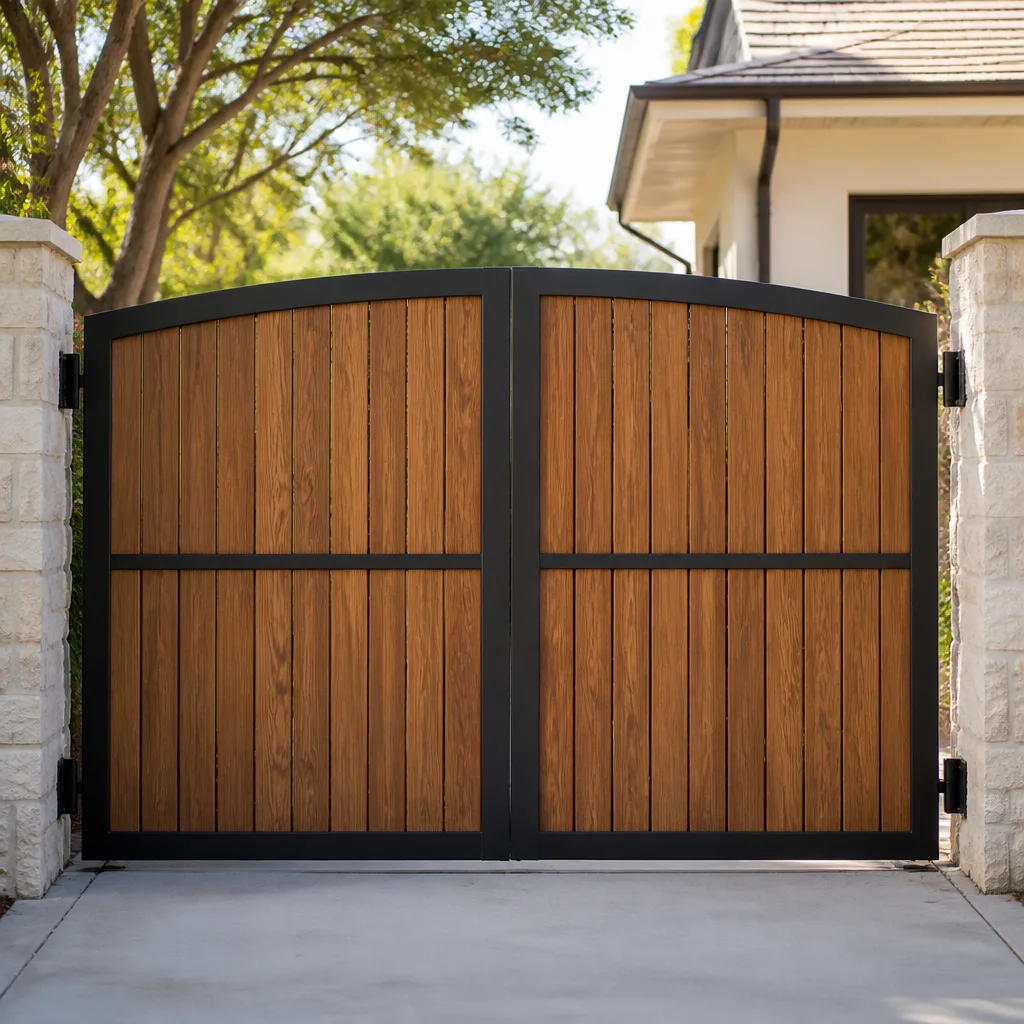 Wood & steel frame
 Farm & ranch
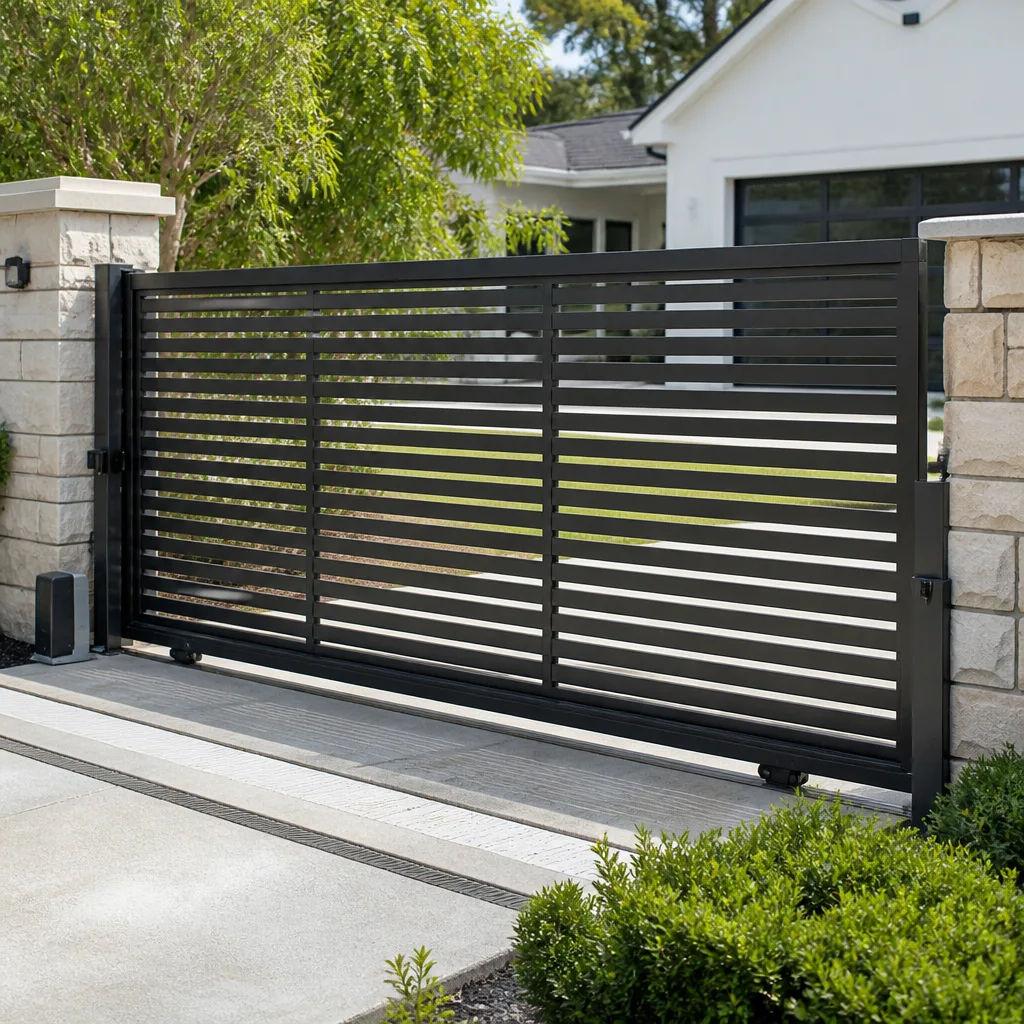 Sliding driveway gates
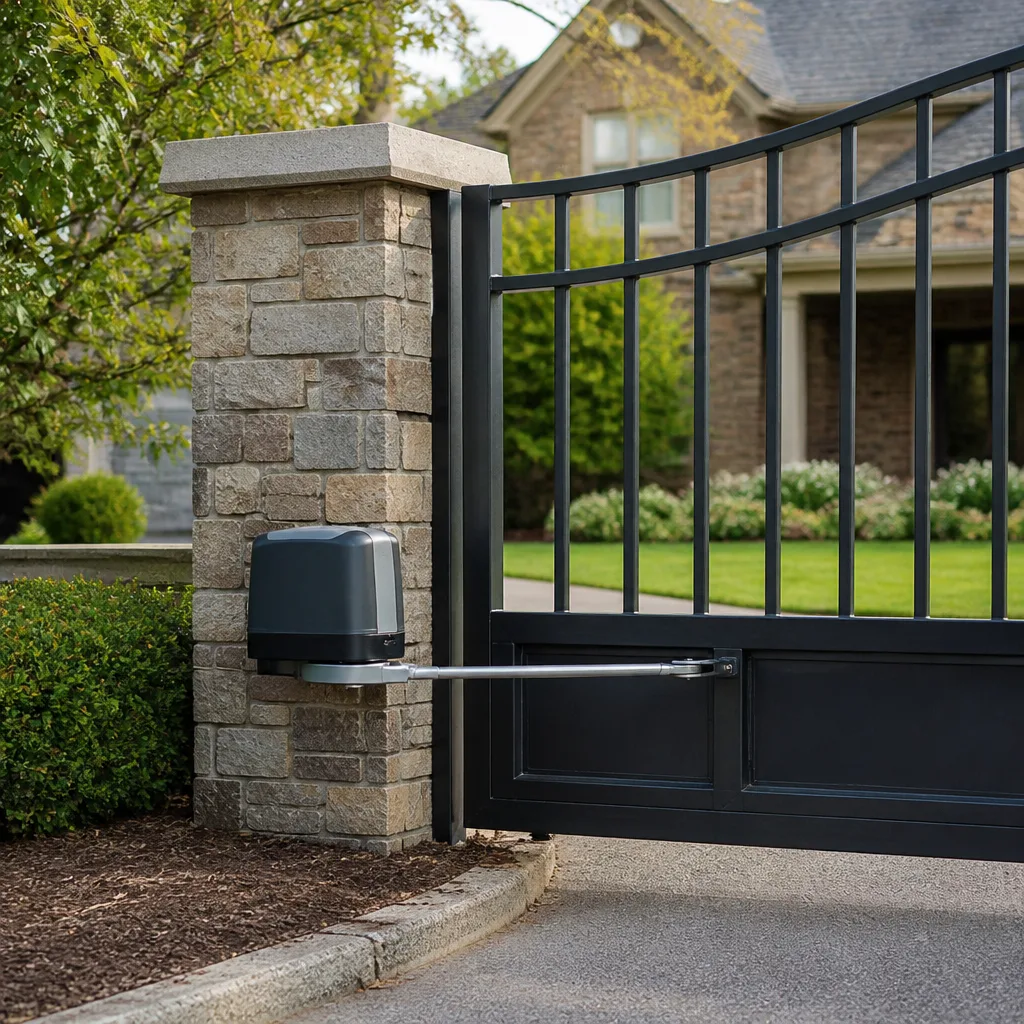 LiftMaster operators
Free on-site gate assessment - hinges, posts, and your LiftMaster or Nice gate operator checked before anything is quoted
The assessment is free and the quote is the invoice.
Get your free estimateGate Installation Troubleshooting: Common Problems and How to Fix Them
A new gate that doesn’t latch cleanly on day three is probably a limit switch adjustment that takes eight minutes to fix. The same symptom on day 45 is probably a footing that moved, and those two causes have completely different urgency levels and costs. That gap between “adjust” and “repair” is where most post-installation confusion lives, and it’s why we’ve written this guide for Winchester homeowners. Most problems we see after a new gate goes in aren’t defects at all. They’re calibration and settling issues, and they show up during the first 90 days, when the gate, posts, and opener are still finding their working relationship. Here’s how to tell which is which, what you can check yourself, and when to pick up the phone.
Quick Answer
Most gate installation problems in the first 90 days are settling and calibration issues, not manufacturing defects. Expect minor changes as posts and footings settle, then fix them with limit switch and travel adjustments. Red flags that need immediate professional correction include cracked footings, leaning posts, gate sag, and an opener that reverses without a visible obstruction. Anything that moves the gate itself out of square or shifts a post should be inspected in person rather than adjusted.
Styles & brands we work with
- Wrought iron
- Wood & steel frame
- Farm & ranch
- Sliding driveway gates
- LiftMaster operators
Table of Contents
- What Should Settle in the First 90 Days (And What Shouldn’t)
- How to Adjust Limit Switches and Travel Settings
- The 30, 60, and 90-Day Post-Installation Checklist
- Is It the Gate, the Opener, or the Post?
- What Installation Defects Look Like at 90 Days vs. 12 Months
- The Symptoms That Self-Resolve
- Why Reporting Early Protects Your Warranty
What Should Settle in the First 90 Days (And What Shouldn’t)
A freshly installed gate is a mechanical system under load, and the ground under it is not finished moving. In Winchester, our caliche-heavy soil behaves differently from the sandy lots closer to the washes, and both react to the summer swing from comfortable mornings to 105-degree afternoons. Steel expands. Posts that were tamped by hand during installation find their final seat as the soil dries and compacts. Some settling is normal. That’s why we schedule many of our adjustments inside the first 90 days on purpose, and why the 90-Day Done Right Promise exists: the window isn’t arbitrary, it matches how long a new gate genuinely takes to settle.
Expected settling (no call needed yet):
- The gate sounds slightly different as it closes after a few weeks.
- Limit positions need a small nudge of a few degrees.
- Minor slack in hinges that tightens back up.
- Slight change in motor resistance as temperatures move.
Red flags (call the installer):
- Visible movement of a post – a lean, a tilt, a crack at the base.
- The gate sags at the latch side and no longer meets the strike plate.
- The gate drags or scrapes on the ground or the driveway.
- Pooling water at a footing or a sunken area around a post.
- The opener reverses without a visible obstruction.
If you’re in a neighborhood like the older lot fronts along the southwest side of town, or on sandier ground in the valley floor, watch the footing closely during the first summer. Footing movement is the one thing a homeowner cannot fix by adjusting an opener, and calling early on a suspicious footing saves a much larger job later. If you’re seeing post movement at any stage, that’s the point to schedule a Gate Repair in Winchester visit.
How to Adjust Limit Switches and Travel Settings
Limit switches tell the opener where the gate stops on the open and close sides. Travel settings tell it how far it can push before it reverses. When these drift, the gate stops short, overtravels, or refuses to close. Adjustment is a maintenance task, not a repair, and it’s the most common thing a new gate needs during the settling period. That said, adjusting an opener incorrectly can strain the motor, damage the gear, or trip a reversing safety edge, so read the specific manual for your unit before turning anything. Ghost Controls and Linear units in particular use a specific sequence; BFT and Viking models vary between residential and commercial logic.
Numbered steps for a typical residential unit:
- Put the opener into manual (disconnect the drive) and move the gate by hand to check it swings freely. If it doesn’t, stop here: the problem is mechanical, not the opener.
- Locate the open limit switch and nudge it a quarter turn toward the correct stopping point.
- Run the gate on open and watch where the arm stops. Adjust a quarter turn at a time until the gate reaches full open without strain.
- Repeat on the close side, leaving a consistent gap at the strike plate.
- Set the travel limit (often a separate dial or software menu) to a range well within the physical stop. The gate should never slam against a hard stop.
- Test the safety reverse by placing an object in the path and confirming the gate reverses on contact.
- If the gate still behaves wrong after three small adjustments, stop and call. Something else is causing the symptom.
Every opener makes we service – including all nine brands we’re trained on, from Mighty Mule to DoorKing – has a service manual detailing these steps. If your manual is missing, call the manufacturer with the model number or call us and we’ll walk through the right sequence. Our team of technicians has up to 13 years of experience with this exact work, and a quick call is how we help Winchester homeowners avoid wrenching on a warranty they’d rather keep intact.
The 30, 60, and 90-Day Post-Installation Checklist
This is the checklist we recommend for every new installation. Print it, put the date on it, and walk through it on the calendar – it will save you a service call and make sure nothing important gets missed. If you’re in a newer development where lots are still settling, or on an older lot where the ground has seen decades of temperature swings, this routine gets more useful over time.
Day 30:
- Swing the gate by hand on manual, feeling for binding or resistance.
- Check the latch alignment. It should meet the strike plate cleanly, no forcing.
- Look at the posts – any visible lean or cracking at the base?
- Test the safety reverse with a light object.
- Listen to the opener. Any new grinding, clicking, or rattle?
- Clear debris from the track or the hinge points.
Day 60:
- Repeat day 30 checks.
- Inspect the hinges and rollers for slack or rust.
- Check the grease fittings, if your gate has them.
- Examine the footing base – any pooling, sunken areas, or soil displacement?
- Run the full open and close cycle several times to catch intermittent stops.
Day 90:
- Repeat day 60 checks.
- Re-check limit switch accuracy – the gate should reach the same positions as day one.
- Review the installer’s paperwork and confirm any open items are documented.
- If anything on the punch list is unresolved, request a warranty visit before the window closes.
If part of your system also includes access control – keypads, remotes, intercoms – include a check of each device at days 30 and 90. Batteries, wiring, and pairing settings are the first things to drift. We cover those details in more depth in our guide to Gate Motor & Opener in Winchester.
Is It the Gate, the Opener, or the Post?
This is where a lot of Winchester homeowners end up calling the wrong trade. A closure problem can live in the gate itself, in the opener, or in the post that holds the gate, and those are three different calls. Knowing which is your actual suspect saves time, money, and frustration.
- The gate (mechanical): The metal frame is warped, hinges are loose or rusted, or the latch alignment is off. Symptoms: the gate drags, scrapes, or sags; the opener strains but doesn’t reverse; you can feel binding when you move the gate by hand.
- The opener (automation): The motor, limit switches, or control board. Symptoms: the gate stops at the wrong point, reverses without obstruction, loses its position memory, or makes an unfamiliar sound from the housing. The gate itself moves freely on manual.
- The post (structural): The post has moved, settled unevenly, or the footing is cracking. Symptoms: the gate sags on one side, the post visibly leans, the gate no longer meets the strike plate the same way it used to, and the change showed up gradually over days or weeks.
The simplest diagnostic test: disconnect the opener and move the gate by hand. If the gate moves smoothly, the problem is in the opener. If it binds or requires effort, it’s in the gate or the post. That one test rules out half the guesswork. In the middle of a summer in Winchester, keep the manual connection in mind – disconnecting under load can be a two-person job.
Once you know which of the three is the suspect, the call becomes specific. Our Gate Installation in Winchester team handles the gate and post side; automation issues route through the same number. A live person answers at any hour, so calling early is easier than waiting for a problem to escalate.
What Installation Defects Look Like at 90 Days vs. 12 Months
Most genuine installation defects are visible inside 90 days. That’s the practical reason the 90-Day Done Right Promise covers that window: it is enough time to catch the vast majority of actual problems, while also being a real finish line for settling and calibration. Here’s how defects look at two checkpoints.
At 90 days, a defect often looks like:
- A post that has visibly moved since the day of installation.
- A footing that has cracked, settled, or begun to pull away from the concrete pad.
- Paint or powder coat failing at a weld seam.
- Hinge hardware that has come loose despite correct installation.
- Opener behavior that has never worked correctly and can’t be fixed by calibration.
At 12 months, a defect looks like:
- A gate that no longer closes without dragging, well beyond settling range.
- Rust that has progressed faster than Winchester’s dry climate would normally cause.
- A post that has tilted further than the initial 90-day adjustment could account for.
- An opener motor that fails well inside its expected service life.
- Electrical conduit that has begun to pull loose or expose wiring.
The pattern is clear: what looks like a small defect at 90 days rarely shrinks at 12 months. It gets bigger, more expensive, and more likely to be deemed wear rather than a workmanship issue. That’s why our recommendation is always the same: report anything that isn’t settling, and report it inside the first 90 days. You can see the full scope of how we handle it on our Ironworks Gate Co. Winchester home page.
The Symptoms That Self-Resolve
Not every change needs a service call, and recognizing which problems are normal is half the value of this guide. In our experience walking Winchester homeowners through their first season with a new gate, the following symptoms typically resolve on their own or with tiny adjustments.
- Slight difference in sound. New metal components wear into each other over the first weeks. A faint new tone is often just that break-in.
- Small latch gap that appears and shrinks. Weather-related expansion and contraction on the frame is normal, and the gap often closes back up within a few days.
- Mild motor strain on the hottest afternoons. Southern Nevada heat pushes motors harder. If the gate opens fully and closes fully without reversing, the strain is expected.
- Opener stops short on one side after a large temperature swing. A limit switch nudge usually fixes this; if it requires repeated adjustment, the problem is elsewhere.
- Minor hinge slack that tightens back up. Fresh hardware beds in during the first month.
The trick is knowing when a “normal” symptom stops being normal. Our rule of thumb: if the symptom is stable or shrinking, give it a few days and check again. If it is progressing – the gate gets harder to move, the gap gets wider, the post leans a little more – that’s the point to call. If you’d like a second opinion on what you’re seeing, a Gate Repair in Winchester technician can take a look, and the second opinion on any written estimate is free.
Why Reporting Early Protects Your Warranty
This is the part most homeowners don’t think about until it’s too late. Manufacturer warranties and installer workmanship warranties both attach conditions, and one of the most common conditions is that the homeowner reports an issue within a stated window. If you notice a post moving at day 40 and call at day 400, the same failure that would have been covered as a workmanship defect can be reclassified as wear-and-tear. The coverage shifts, and the repair becomes the homeowner’s bill.
In a market like Winchester, where summer temperatures and dry soil put real stress on outdoor hardware, waiting nine months to report a footing issue is a common path to that outcome. The fix is simple: any suspected defect gets reported in writing inside 90 days. Email or text counts. If the installer says “wait and see,” ask them to put that in writing too. A reputable installer will do it, and a written record protects you either way.
We schedule our warranty checks inside the 90-day window on purpose. Every completed job is backed by our written 90-Day Done Right Promise, and the same 90-day window is when we want to hear from you about anything that doesn’t look right. If you’re not sure whether something you’re seeing is a warranty item or normal settling, call us. The second opinion on any written estimate is free, and we’d rather help you rule out a real issue than have you sit on one you later regret.
Common Mistakes to Avoid
- Adjusting the opener before checking the mechanics. If the gate binds on manual, no amount of limit switch adjustment fixes it. Always test in manual first.
- Ignoring small post movement. A leaning post at 60 days is a 4-hour fix. The same post at 18 months is likely a footing rebuild, and it may be well outside any warranty on the original work.
- Wrenching on the gate without reading the manual for your specific unit. Ghost Controls and BFT units use very different sequences, and getting it wrong can void the manufacturer’s coverage.
- Skipping the 30, 60, and 90-day checklist. The list takes 20 minutes per check. It’s the difference between catching a footing problem early and paying for new concrete.
- Assuming summer heat is the cause of every fault. Heat does cause some issues in Winchester, but if the gate worked perfectly through the first June and suddenly stopped closing in July, the heat probably isn’t the cause. Look for what actually changed.
- Reporting to the installer verbally and assuming it’s logged. Put it in writing – email or text. Verbal reports don’t hold up if the timeline later turns into a dispute.
- Letting an unfamiliar contractor touch the automation. Adjustments sometimes look simple. If your installer is covering the work under warranty, using someone unapproved can complicate the coverage. Ask first.
See the difference
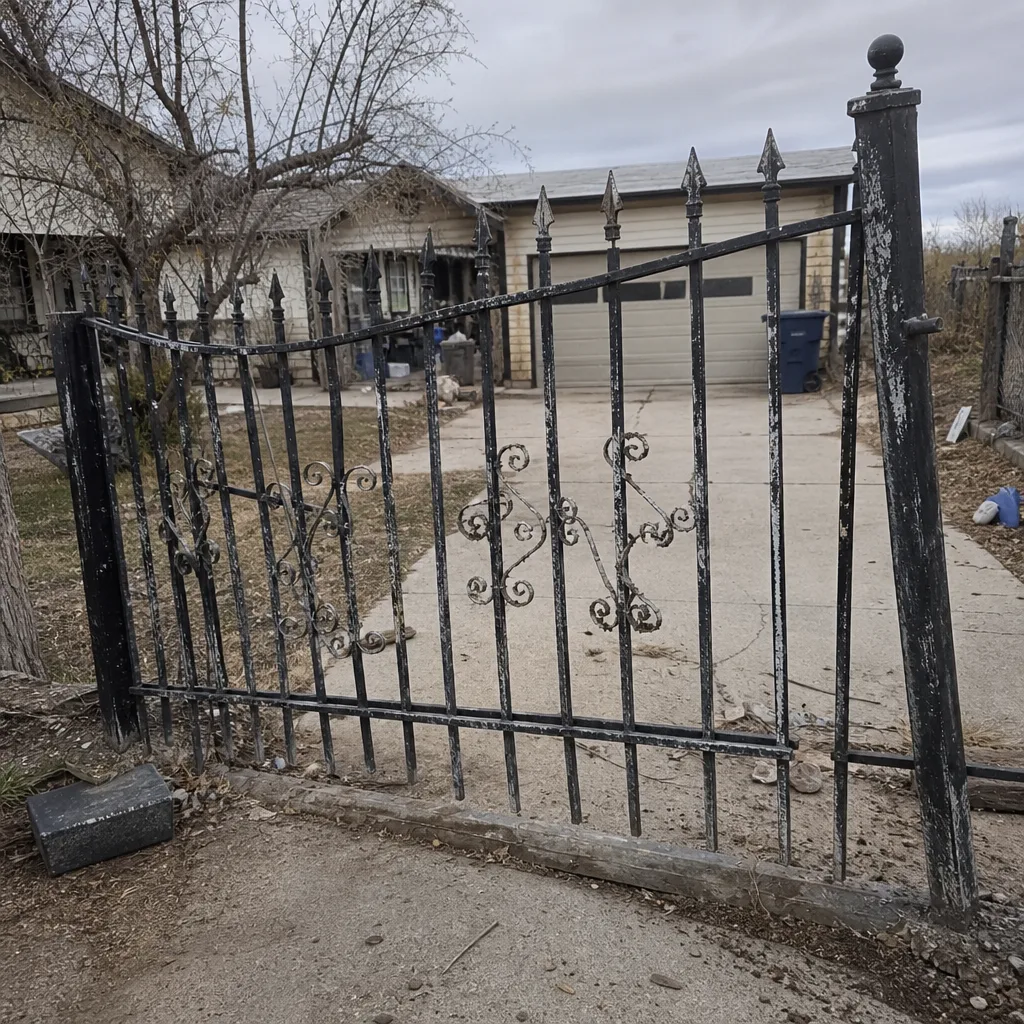 Before
 After
 Before
 After
 Before
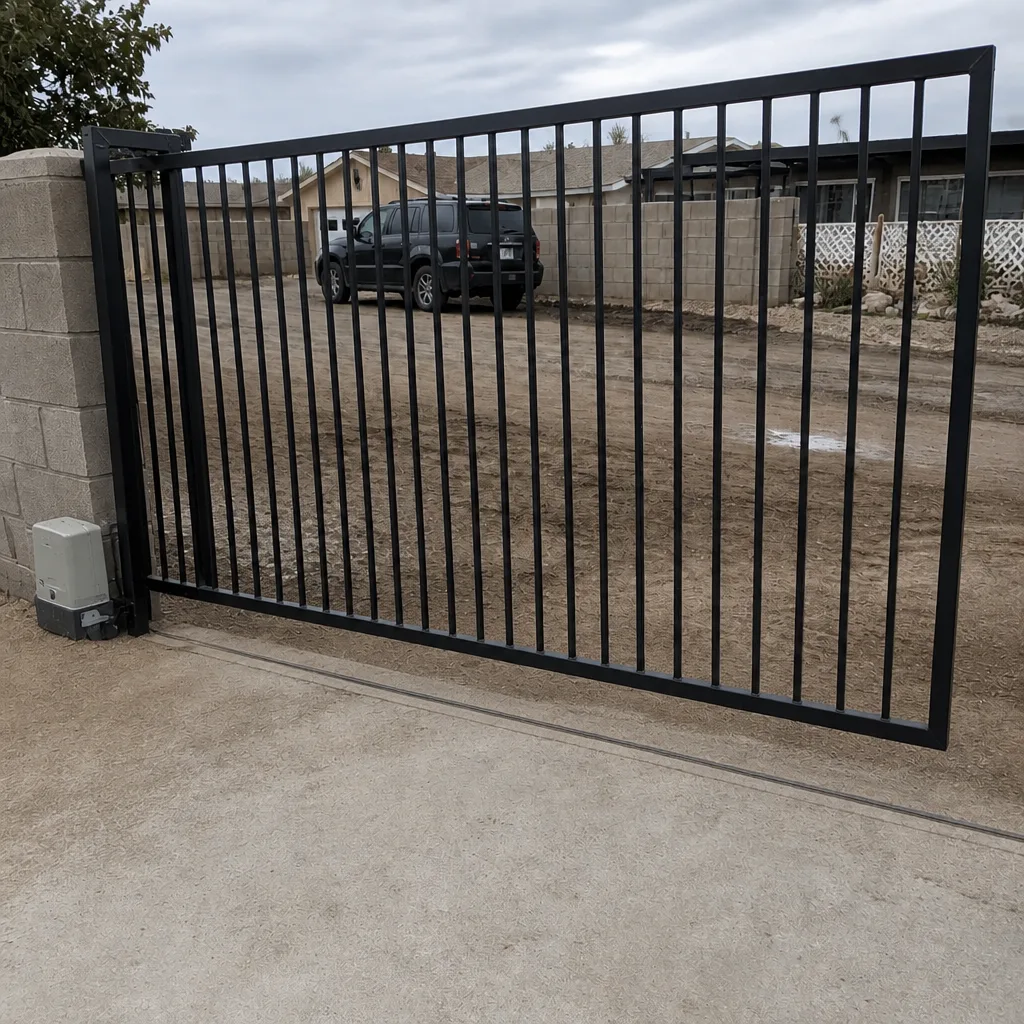 After
When to Call a Professional
Call for anything that involves movement in the gate or posts, unsafe opener behavior, or symptoms that are getting worse instead of settling. If the gate reverses without obstruction, if the post leans, if the footing cracks or pulls away, if the gate drags on the ground, or if the opener behaves unpredictably on the safety reverse test, stop using the gate and call. Some of these are minor. Some are a genuine safety matter, particularly on a slope or near a driveway where children or pets move freely, and no homeowner should be under the gate to find out which it is. If you have a brand like Viking, Linear, or Ghost Controls installed and aren’t sure which is the correct service path, we can help you sort that in a two-minute call. Ironworks Gate Co. Winchester offers free estimates in Winchester – call (866) 984-8340.
Frequently Asked Questions
Yes. Adjustments in the first 90 days are normal and expected. A new gate, post, and opener are settling into their working relationship, and small limit and travel drift is part of that process. The purpose of a 90-day adjustment window is to handle those changes; the purpose of a 90-day promise is to cover anything that isn’t just settling. Call us at (866) 984-8340 for a second opinion or to schedule a warranty check.
Most post-installation adjustments in Winchester fall in the $89 to $180 range when it’s a calibration or limit switch visit. Repairs that involve the footing, post, or gate frame are quoted after an in-person look, and you’ll get a written price before any work begins. Our standing offer of $50 off any repair over $250 is available, and so is the $89 seasonal tune-up. Estimates are free – call us for an exact number.
On many residential openers, yes – limit switch adjustments are homeowner-serviceable and don’t affect warranty, provided you follow the manual for your specific model. Where homeowners get into trouble is adjusting the control board, wiring, or motor internals, which does typically void coverage. If you’re unsure which category your adjustment falls into, call before you touch anything. We can talk you through it in a few minutes.
Test in manual. Disconnect the opener from the drive and move the gate by hand. If it moves smoothly and freely, your problem is in the opener – limit switches, travel, or control board. If it binds, scrapes, or requires effort, the problem is in the gate or the post. That one test resolves the majority of diagnostic questions, and it takes about two minutes.
Heat expansion is the usual cause. In Winchester, the swing from comfortable mornings to 105-degree afternoons can move a steel frame just enough to shift latch alignment, and a limit position set in spring may not hold at the summer extremes. This is often a small adjustment of a few degrees, but our recommendation is to have us check it if it persists more than a few days. Call (866) 984-8340 for an exact appointment.
You’re not stuck. Reach out to the manufacturer directly for warranty coverage on the opener, and call us for an independent assessment on the gate and post side. We’re trained on nine major brands – including BFT, Linear, Viking, and Ghost Controls – and we can tell you what the actual problem is and what it will take to fix. The second opinion on any written estimate is free, and the $50 off any repair over $250 standing offer applies.
The Bottom Line
Most of what goes wrong in the first 90 days after a gate installation is settling and calibration, not a defect. Watch for post movement, footing cracks, sag, drag, and an opener that reverses without obstruction – those are the red flags that need a professional. Handle limit switch drift and travel adjustment by reading your manual, and walk the 30, 60, and 90-day checklist so you catch real problems while they’re still workmanship issues. Report anything suspicious in writing inside the 90-day window, because coverage often depends on timing. If in doubt, call. A quick conversation is cheaper than waiting for a small fix to become a large one.
Ironworks Gate Co. Winchester is the dedicated gate specialist for homeowners who want the job done once, done right, and backed in writing. We answer the phone 24 hours a day, seven days a week – not a voicemail tree, not a callback queue. Our background-checked, uniformed technicians are trained on nine gate-automation brands and guided by the K.E.Y.S. values code, and every completed job is protected by the 90-Day Done Right Promise. Whatever is on your driveway, we’ve probably seen it. If you’re unsure whether a symptom is a settling wobble or a real problem, call us today at (866) 984-8340 for a free estimate – we’ll tell you plainly what’s going on and what it takes to put it right.
Written by the team at Ironworks Gate Co. Winchester.