
Last updated November 18, 2026
 Wrought iron
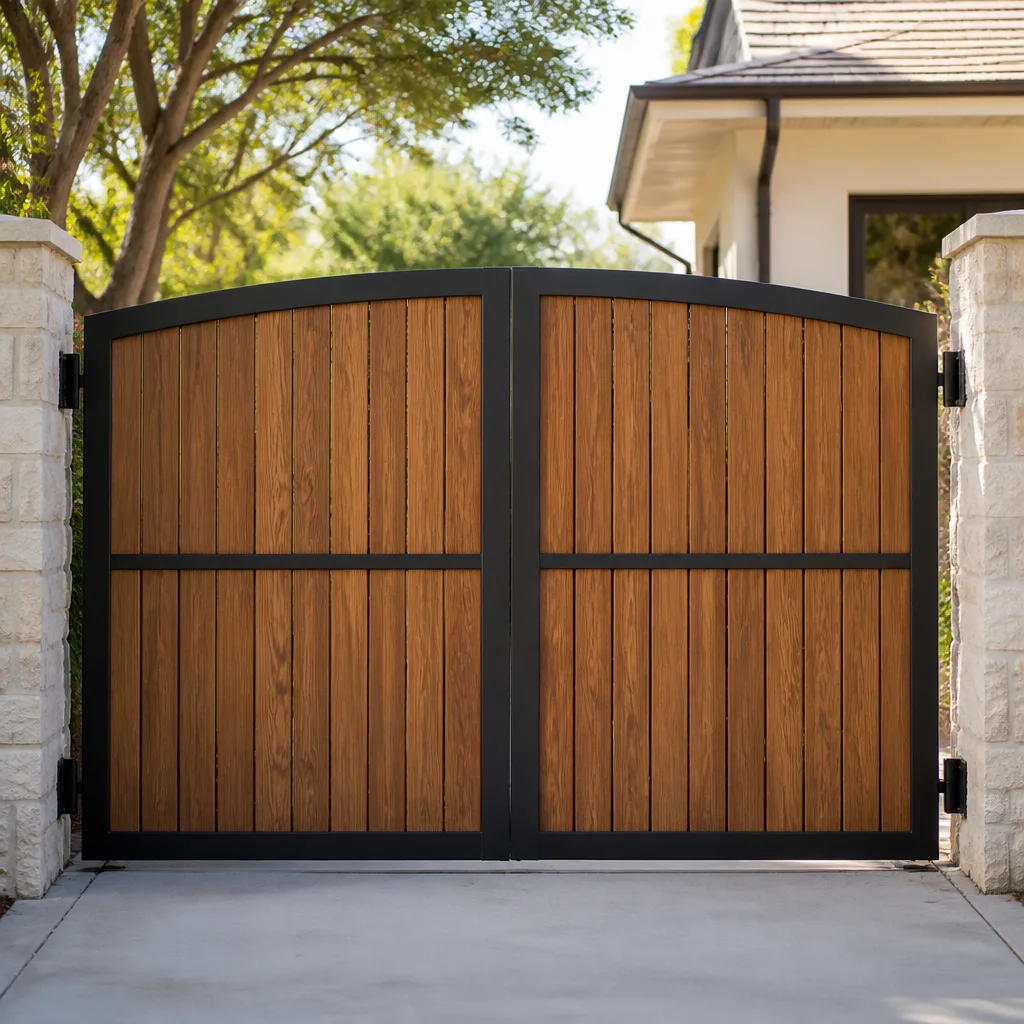 Wood & steel frame
 Farm & ranch
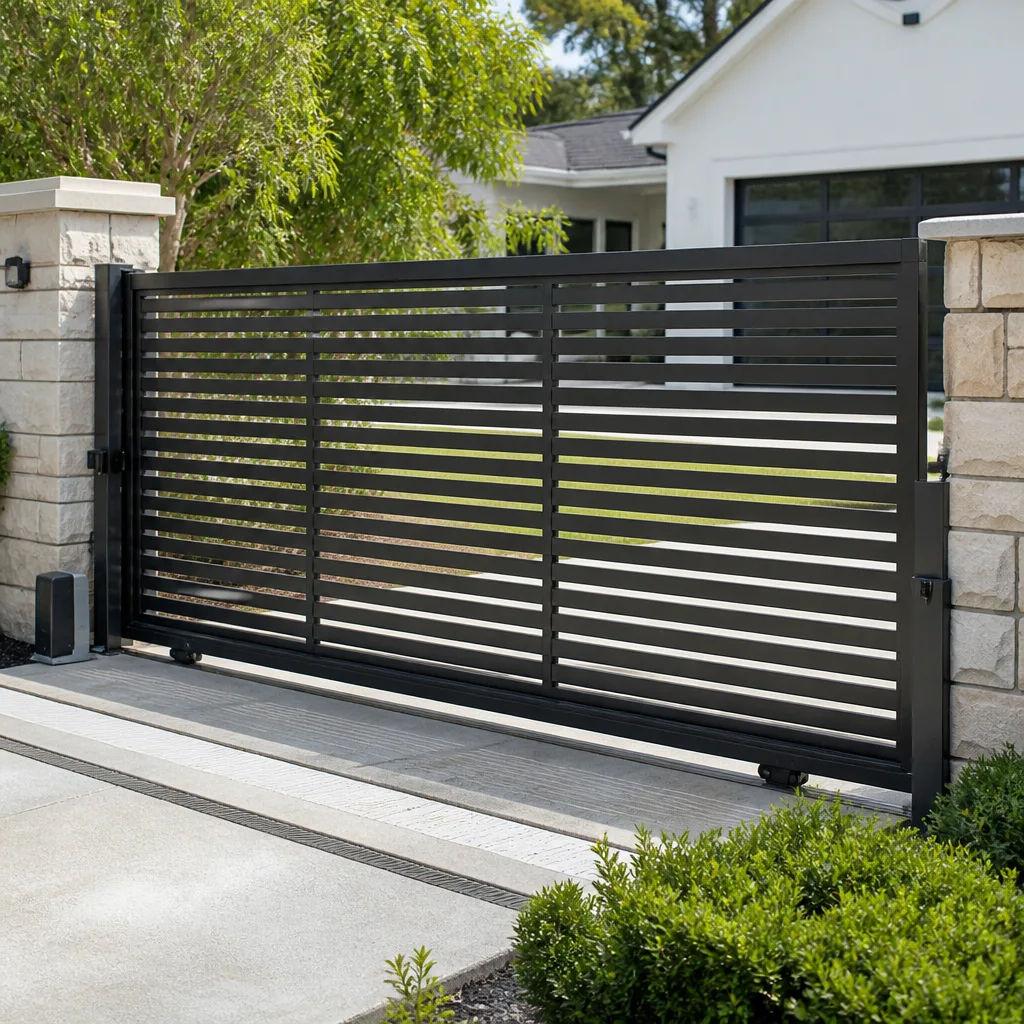 Sliding driveway gates
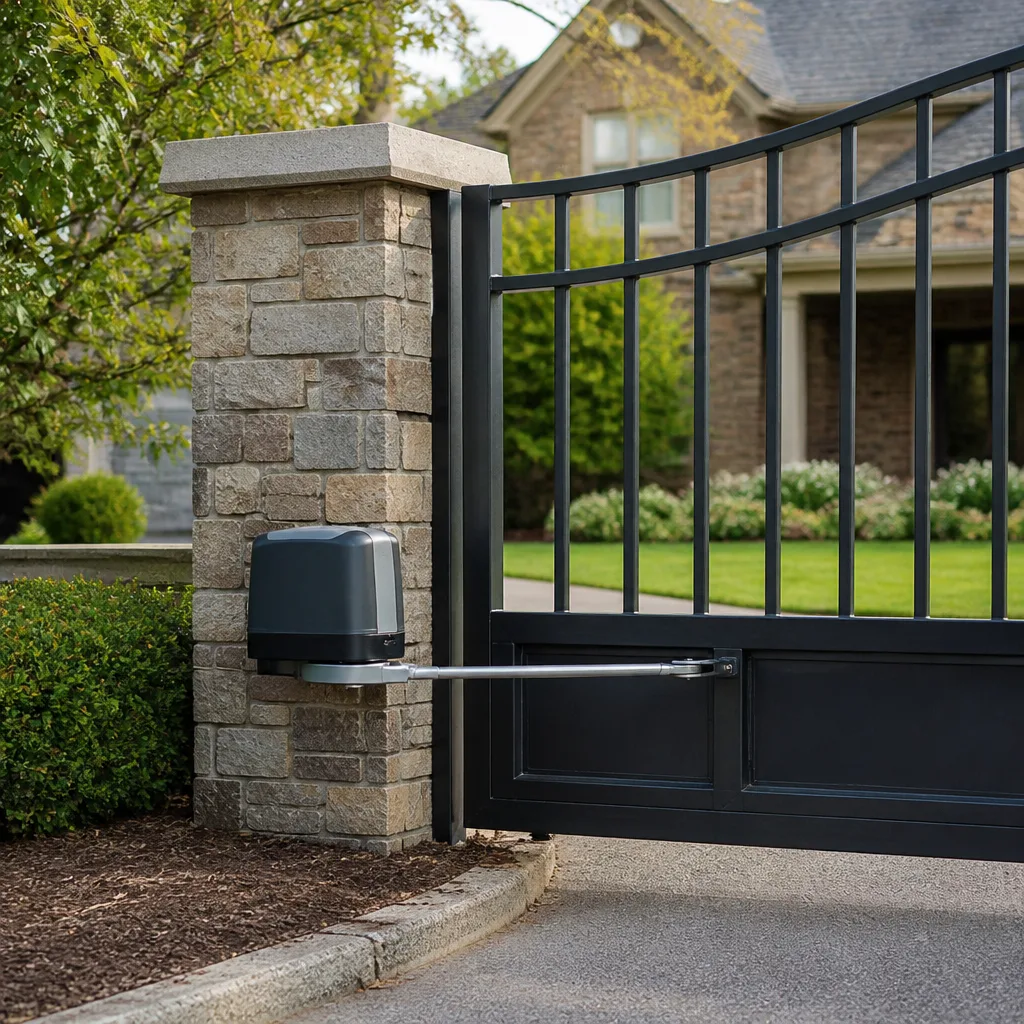 LiftMaster operators
Free on-site gate assessment - hinges, posts, and your LiftMaster or Nice gate operator checked before anything is quoted
The assessment is free and the quote is the invoice.
Get your free estimateGate Motor & Opener Maintenance Schedule: What to Do and When
The number-one cause of premature gate opener failure isn’t a bad motor. It’s a dry drive chain or gear rack that quietly builds resistance until the motor burns itself out trying to push through it. A tube of the right lubricant, applied twice a year, is the cheapest insurance you can buy against a motor replacement. In our experience across Winchester, the openers that last fifteen years and the ones that die at six are rarely different brands. They’re maintained differently. This guide lays out a full-year schedule, matched to Winchester’s seasons, so you know exactly what to do and when.
Quick Answer
Service your gate opener twice a year: once in spring to clear dust and debris left by Winchester’s windy season, and once in fall to lubricate moving parts before cold-weather metal contraction sets in. Each session should cover lubrication of the chain or rack, a sensor alignment and auto-reverse test, a limit switch check, and a battery backup test. Most unplanned service calls we handle in Winchester trace back to one of those four items being skipped.
Styles & brands we work with
- Wrought iron
- Wood & steel frame
- Farm & ranch
- Sliding driveway gates
- LiftMaster operators
Table of Contents
- Why a Schedule Beats a Repair Call
- Spring Maintenance: Clearing Out the Dust
- Fall Maintenance: Lubricating Before the Cold
- The Right Lubricant for Each Component
- Safety Sensor Alignment and Auto-Reverse Testing
- Checking and Documenting Limit Switch Settings
- Testing Your Battery Backup Before You Need It
- Common Mistakes to Avoid
Why a Schedule Beats a Repair Call
Gate openers don’t fail at random. They fail on a curve, and the curve is set by how much resistance the motor has been fighting. When a chain runs dry or a gear rack collects grit, friction climbs. The motor compensates by drawing more current, and that extra current cooks the windings over months or years. By the time the gate stops moving, the damage has been building since the last time someone thought about it.
In Winchester, we see this play out on a predictable calendar. The wind and dust of late winter work grit into every moving joint. Summer heat bakes out whatever lubricant was left. Then the first cold snap arrives and metal contracts, clearances tighten, and an opener that was marginal in October fails in December. Homeowners call us in January convinced the motor died overnight. It usually didn’t. It died slowly, over about eight months of neglect.
A twice-yearly routine interrupts that curve. Two visits to the gate, maybe forty minutes each, catch the small problems before they turn into motor replacements. Here’s the schedule we recommend for Winchester homeowners:
- Spring (March-April): Clean and inspect. Clear dust, grit, and debris from the drive system and sensors.
- Fall (October-November): Lubricate and calibrate. Refresh every moving joint before temperatures drop.
- Monthly: A two-minute visual check and an auto-reverse test.
If you’d rather hand the whole schedule to someone who does it every day, our Gate Motor & Opener in Winchester service covers exactly this kind of preventative work, and we work on FAAC, BFT, Linear, Viking, and five other major brands.
Spring Maintenance: Clearing Out the Dust
Spring in Winchester means one thing for gate hardware: dust. The windy weeks pull fine grit into every exposed mechanism, and that grit is abrasive. It works its way into chain links, gear teeth, roller tracks, and sensor lenses. Spring maintenance is about getting it out before it does damage.
Work through this checklist in order. It takes about thirty to forty minutes for a typical driveway gate.
- Kill the power at the breaker before touching anything mechanical. Never reach into a moving gate’s path with the operator live.
- Brush down the drive chain or rack with a stiff nylon brush. Work along the full travel of the gate. Don’t use a wire brush on a coated chain; it removes the protective finish.
- Blow out the operator housing vents with low-pressure air. Dust packs into vents and makes the motor run hotter than it should.
- Wipe the sensor lenses with a microfiber cloth. Dry dust on a lens is the single most common cause of phantom safety trips.
- Inspect hinges and pivot points for grit buildup and any sign of wear. Wipe clean before you lubricate.
- Check the gate for sag or drag by disengaging the operator and swinging it by hand. A gate that drags on its own is forcing the motor to work harder.
That last step matters more than people realize. If the gate itself is binding on a hinge or dragging on the ground, no amount of lubrication will save the motor, because the resistance is coming from the gate, not the drive. Spring is the right time to catch a sagging hinge before it becomes a bent operator arm. We handle a lot of hinge and weld work through Gate Repair in Winchester for exactly this reason.
Fall Maintenance: Lubricating Before the Cold
Fall is the more important of the two sessions in Winchester. As temperatures drop, metal contracts. Clearances that were fine in August tighten up, and a dry joint that was merely noisy in September can seize by December. The goal of fall maintenance is to have every moving surface properly lubricated before the cold arrives.
Run through this sequence once the gate has been cleaned in spring and any summer grit has been cleared:
- Lubricate the drive chain or gear rack along its full length. Apply a purpose-made chain or rack lubricant, not a spray you happened to have in the garage.
- Lubricate hinges and pivot points with a lithium or silicone grease. These are the joints that carry the weight of the gate.
- Lubricate the operator’s manual release mechanism so it works smoothly if you ever need to disengage the gate during a power failure.
- Test the auto-reverse after lubrication, because fresh grease changes the resistance the operator senses (more on that below).
- Confirm limit switch positions haven’t drifted over the summer.
- Test the battery backup before the winter outages.
If your operator is a FAAC or BFT unit, check the manufacturer’s recommendation for your specific model before you lubricate. Some modern operators use sealed, self-lubricating drives that only need the external chain or arm serviced. Applying grease where it doesn’t belong can attract grit and cause more harm than good. When in doubt, our team can tell you exactly what your model needs.
The Right Lubricant for Each Component
This is where most homeowner maintenance goes wrong. The lubricant that’s fine for a squeaky door hinge is not fine for a drive chain, and the wrong product can do real damage. Here’s how we match lubricant to component in Winchester:
- Drive chain: A dedicated chain lubricant, ideally one that sets slightly tacky so it stays on the chain rather than flinging off. Never use cooking spray or a light household oil, which attract dust and gum up.
- Gear rack: A lithium or moly-based grease. It clings to the teeth and resists being pushed out by the pinion.
- Hinges and pivot points: Lithium grease or a quality silicone grease. These carry load, so you want something with body.
- Rollers and tracks (sliding gates): A dry silicone lubricant, which doesn’t collect grit the way grease does in the open.
- Sensor lenses: Nothing but a dry cloth. Never apply any product to a lens.
Two common substitutes to avoid entirely. WD-40 is a solvent and water displacer, not a lubricant; it strips existing grease and evaporates, leaving parts drier than before. Cooking spray is worse: it’s sticky, attracts dust, and goes rancid. Both are the reason we get called out to “squeaky” gates that were “just lubricated.” If you’re ever unsure what your opener wants, the operator manual for your Linear or Viking model will specify, and our team can advise over the phone.
Safety Sensor Alignment and Auto-Reverse Testing
The safety system is the part of the gate that protects people, pets, and vehicles. It’s also the part most often left untested. A gate that closes onto a car because a sensor drifted out of alignment is a repair bill; a gate that closes onto a person is something much worse. Test the safety system monthly, and confirm alignment at both spring and fall service.
Here’s how we check a photo-eye sensor pair on a typical installation:
- Look at the indicator lights on each sensor. Most brands show a steady light when the beam is aligned and receiving. A flickering or absent light means the beam is broken or misaligned.
- Wipe both lenses clean, then re-check the indicators.
- Break the beam deliberately by passing your hand between the sensors while the gate is closing. The gate should stop and reverse immediately.
- Test the auto-reverse force by placing a firm object in the gate’s path and observing the reverse (do this with the gate moving slowly, and never with a person or pet as the test object).
- Confirm the force setting is calibrated to the manufacturer’s spec. Too sensitive and the gate won’t close; too loose and it won’t reverse when it should.
If the auto-reverse is firing on its own, the usual suspects are a dirty lens, a misaligned bracket, or a low battery in a wireless sensor. In Winchester’s dusty months, a lens wipe often solves a phantom trip outright. Our background-checked technicians carry alignment tools and spare sensor brackets on every call, so if a bracket has shifted, we can correct it the same visit.
Checking and Documenting Limit Switch Settings
Limit switches tell the operator where the gate should stop at each end of its travel. Over time, vibration, temperature, and general wear cause them to drift. A little drift is harmless. Enough drift and the gate hits the physical stop with force, which damages the operator arm, the gate frame, or both. The trick is catching the drift before it becomes a hard stop.
Here’s the protocol we use in Winchester to catch limit drift early:
- Watch the gate at both ends of travel. It should come to a clean stop without a thump or a shudder.
- Mark the physical position of each limit switch with a paint pen or a small piece of tape. Record the setting in your phone or on a note taped inside the operator housing.
- Compare at the next service. If the physical mark has moved, or the gate is stopping short or hitting hard, the limit has drifted.
- Adjust the limit per the manufacturer’s instructions, a little at a time. Small changes only.
Documenting the setting is the step almost everyone skips, and it’s the one that turns limit switches from a mystery into a maintenance item. Once you have a baseline, drift is obvious. Without it, you’re guessing, and by the time the gate is hard-stopping every night, the damage is often already done. Teams trained across multiple platforms, as ours are, can recognize when a limit problem is actually a symptom of a worn hinge or a sagging post rather than an operator fault at all.
Testing Your Battery Backup Before You Need It
Most homeowners discover their backup battery is dead on the same night the power goes out, which is exactly when they needed it. Battery backup testing is simple and takes two minutes, but almost no one does it. Do it at both spring and fall service, and note the result.
A straightforward protocol:
- Confirm the battery is connected and seated correctly in its compartment. Check the terminals for corrosion.
- Check the indicator on the operator or battery for a status light. Many brands show a distinct light when the battery is healthy.
- Run a power-cut test by tripping the operator’s breaker, then operating the gate once on battery power and observing that it completes a full cycle.
- Note the age of the battery and the result of the test. Lead-acid batteries in a hot garage or gate housing degrade faster than you’d expect.
- Restore the breaker and confirm the operator returns to normal operation.
A power-cut test is the only reliable proof that the battery will actually carry the gate when it matters. A green indicator is reassuring, but a test cycle is definitive. If the battery is more than a few years old and the test cycle is sluggish or fails, replace it. It’s a fraction of the cost of a motor and a fraction of the frustration of being stuck outside your own gate in a Winchester windstorm.
Common Mistakes to Avoid
- Using WD-40 as a lubricant. It dissolves grease and evaporates, leaving the chain drier than before. A Winchester gate “lubricated” with WD-40 runs drier every month.
- Skipping the auto-reverse test. A sensor that’s drifted out of alignment can fail to reverse on a person. Test the beam and force setting monthly, not just annually.
- Lubricating sealed operator components. Some modern drives are sealed and self-lubricating. Adding grease attracts dust and can damage internal seals.
- Forgetting to document limit settings. Without a baseline, incremental drift goes unnoticed until the gate hits its stop with force.
- Ignoring a dragging gate. If the gate binds on its own, the motor is fighting it every cycle. Lubrication won’t fix a sagging hinge; it needs mechanical repair.
- Testing the battery on the day of the outage. A backup battery is only proven by a live power-cut test cycle, performed before you need it.
See the difference
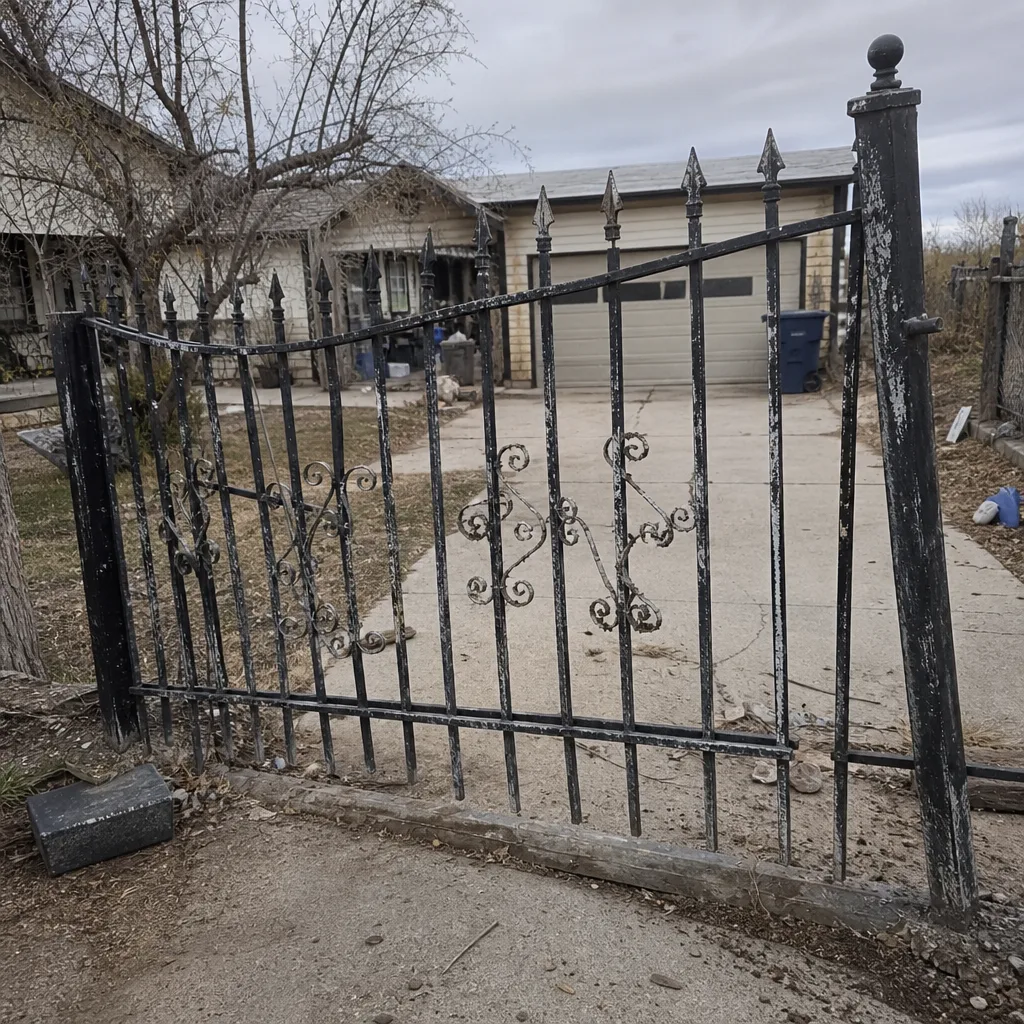 Before
 After
 Before
 After
 Before
 After
When to Call a Professional
Some maintenance tasks are safe and sensible to do yourself: wiping sensor lenses, brushing the chain, checking the battery indicator. Others are not. Call us when the gate drags or binds when moved by hand, when the auto-reverse fails a test, when the operator makes grinding or clicking sounds, or when a limit switch won’t hold its setting after adjustment. High-tension springs, live wiring, and heavy gate panels are genuinely dangerous to work on without the right tools and training. We’ve seen too many Winchester homeowners hurt themselves trying to save a repair call. Ironworks Gate Co. Winchester offers free estimates in Winchester, and a live person answers our phone twenty-four hours a day, seven days a week. Call (866) 984-8340 and we’ll get you scheduled.
Frequently Asked Questions
Twice a year is the standard schedule: once in spring to clear dust and debris, and once in fall to lubricate before cold temperatures arrive. In Winchester’s dusty climate, a monthly two-minute visual check and auto-reverse test between services catches problems early.
You can safely do the light tasks like wiping sensor lenses, brushing the chain, and checking the battery indicator. Leave spring tension, wiring, limit switch adjustment on unfamiliar operators, and anything involving the operator housing to a trained technician, because those carry real injury risk.
A dedicated chain lubricant that sets slightly tacky so it stays on the chain, and a lithium or moly-based grease on the gear rack. Never use WD-40 or cooking spray, which strip existing grease and attract dust.
A dirty sensor lens or a slightly misaligned sensor bracket is the usual cause, and Winchester’s dusty season makes this common. Wipe the lenses first, then check the indicator lights; if the beam still trips, the alignment or force setting needs adjustment.
The only reliable test is a live power-cut cycle. Trip the breaker, operate the gate once on battery power, and confirm it completes the cycle. If the test fails or the battery is several years old, replace it.
Ironworks technicians are trained and equipped on nine major gate automation brands, including FAAC, BFT, Linear, Viking, LiftMaster, and Mighty Mule. Whatever is on your driveway, we can maintain or repair it. Call (866) 984-8340 for a free estimate.
The Bottom Line
Gate openers fail on a schedule, not by accident. Small resistance from dry chains, drifting limits, dirty sensors, and dead backup batteries builds up until the motor pays the price. Two maintenance sessions a year, matched to Winchester’s seasons, catch those problems while they’re still cheap to fix. Clean up in spring, lubricate in fall, and test the safety system every month. If you’d rather not think about it at all, that’s exactly what we’re here for. We stand behind every job with our written 90-Day Done Right Promise, and we’ll be there when we say.
Ready to put your gate on a proper maintenance schedule? Give us a call and we’ll take a look. Ask about our $89 Seasonal Tune-Up, our $50 Off Any Repair Over $250, and our Free Second Opinion on Any Written Estimate. Senior and veteran homeowners get a 5% discount, always.
Call (866) 984-8340 today for a free estimate. When you’re ready to think about the bigger picture, whether it’s keeping your current gate healthy or replacing it with something built to last, our Gate Installation in Winchester team and the rest of our crew at Ironworks Gate Co. Winchester home are ready to help.
Written by the team at Ironworks Gate Co. Winchester.