
Last updated November 18, 2026
 Wrought iron
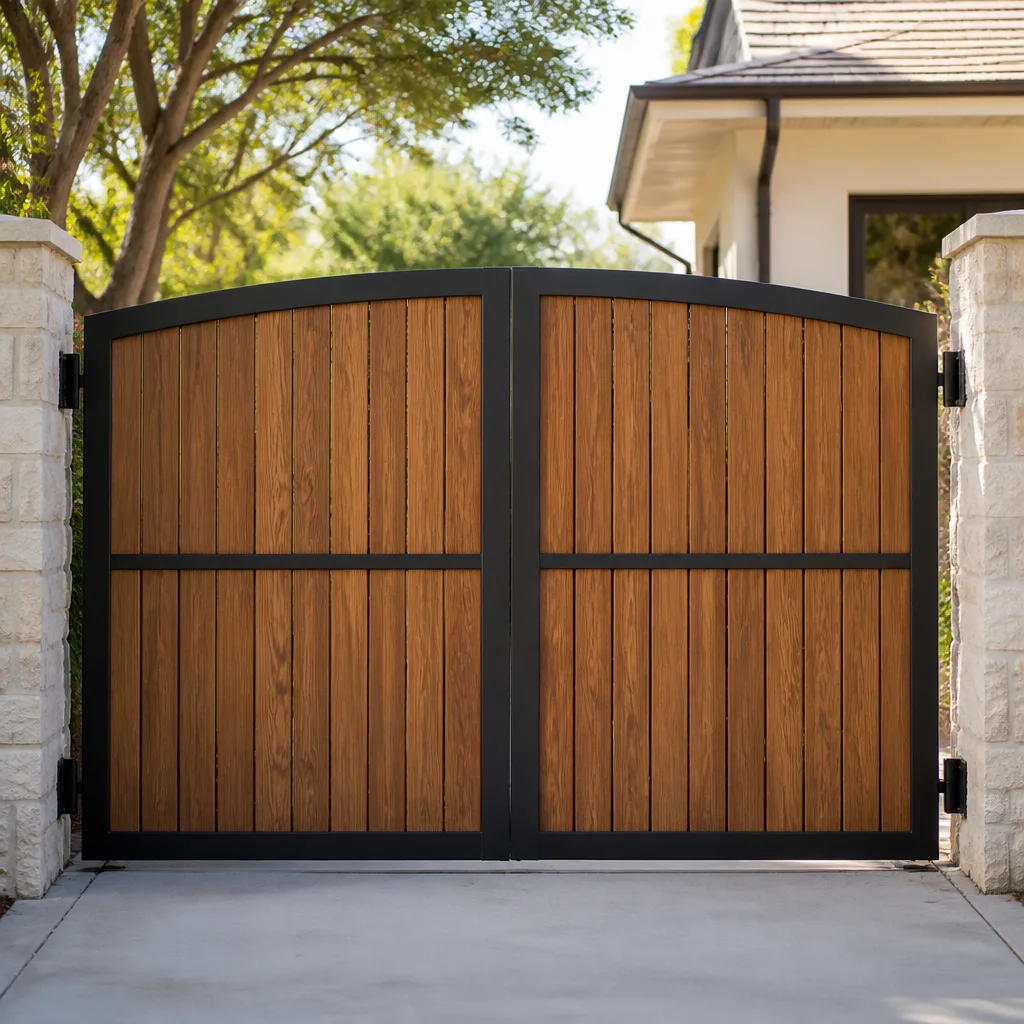 Wood & steel frame
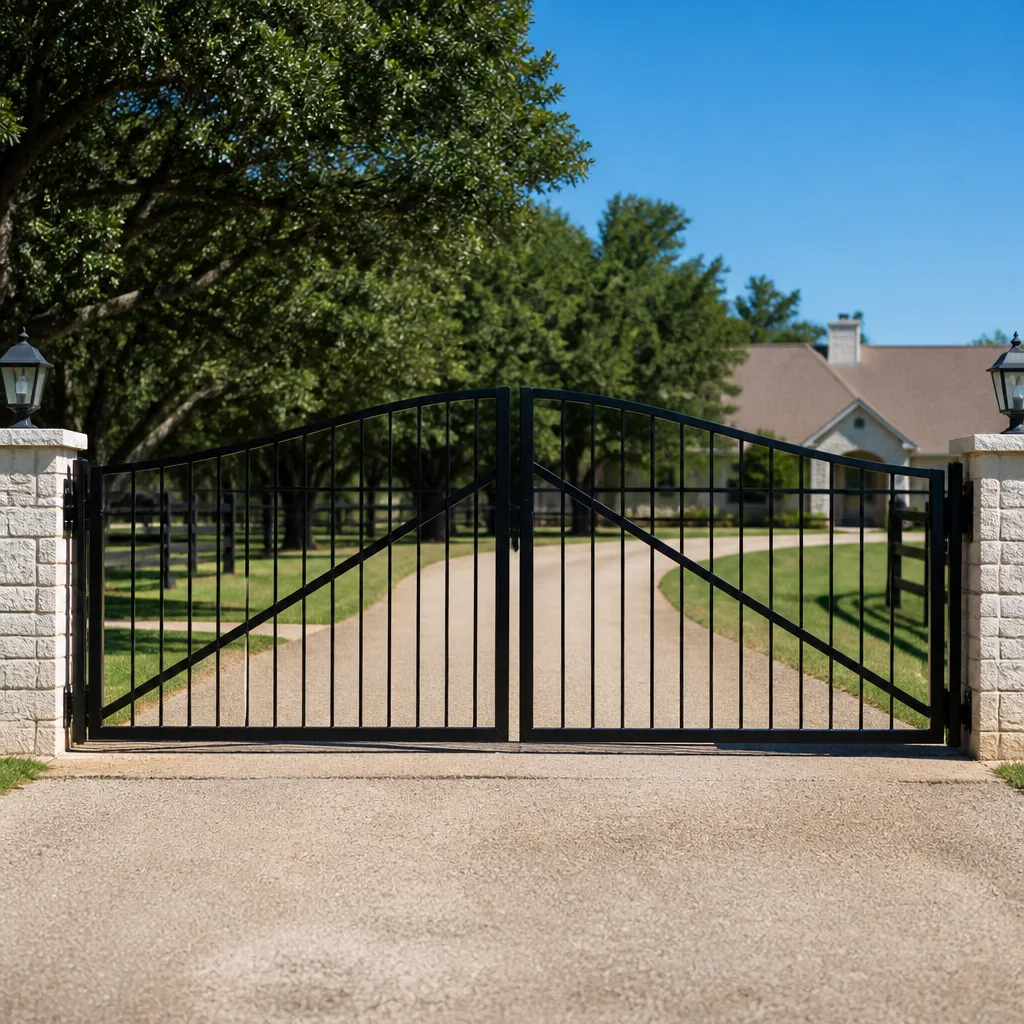 Farm & ranch
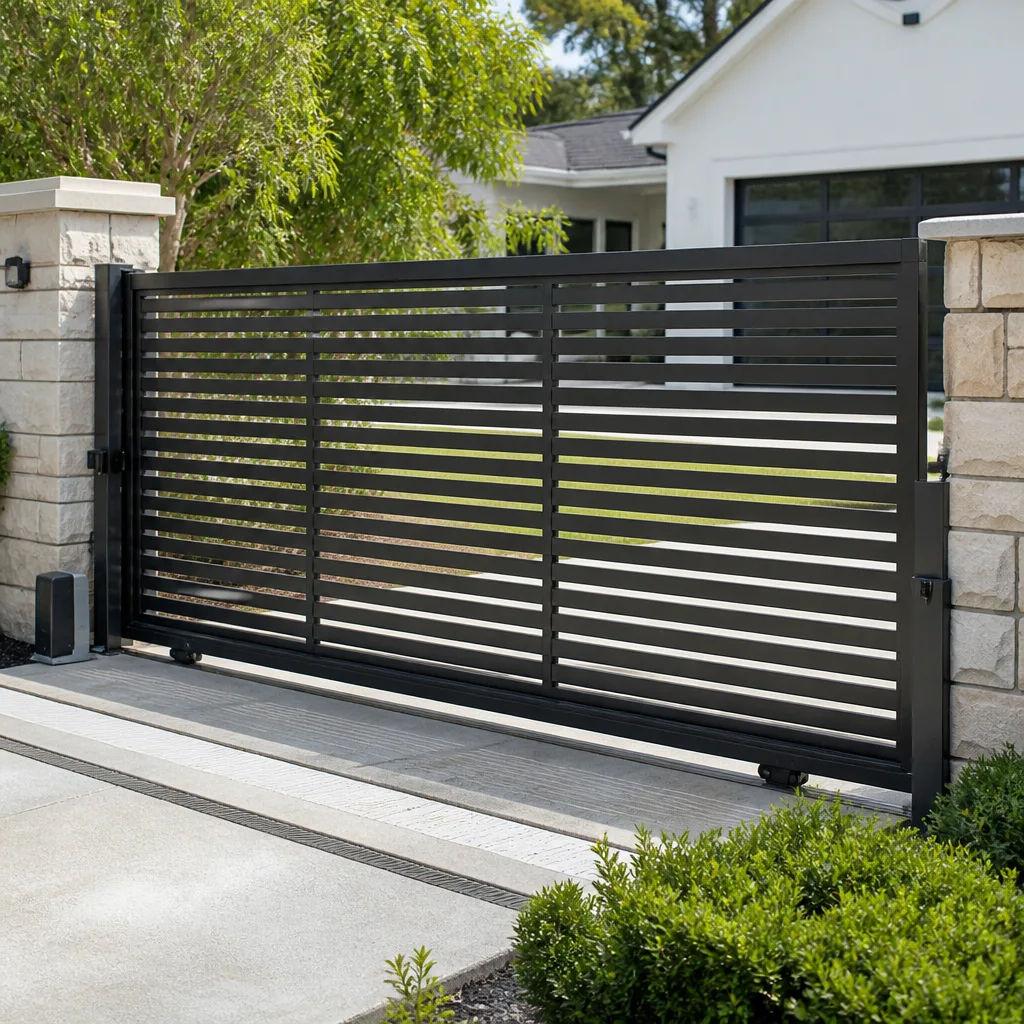 Sliding driveway gates
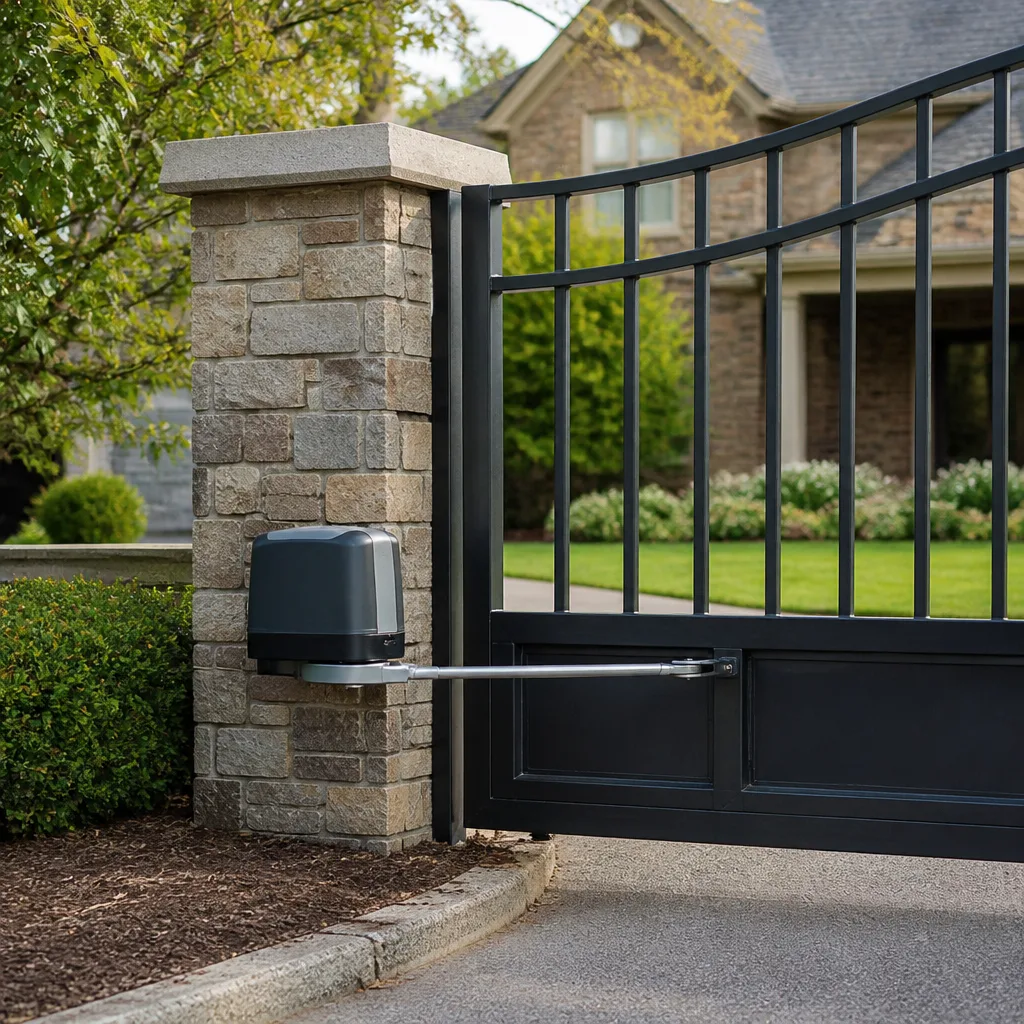 LiftMaster operators
Free on-site gate assessment - hinges, posts, and your LiftMaster or Nice gate operator checked before anything is quoted
The assessment is free and the quote is the invoice.
Get your free estimateGate Repair Maintenance Checklist for Winchester Homeowners
Most gate maintenance checklists floating around the internet were written for places where rust is the main enemy, where rain, humidity, and salt air chew through metal year-round. Winchester isn’t that place. Here in the desert, the threats are different and they arrive quietly: UV that bakes paint and plastic until they crack, and a temperature swing that can run from a cold winter morning to a blistering afternoon and back again, working every weld and bolt at once. Most homeowners here have been maintaining for the wrong threat. This guide fixes that. It walks you through a month-by-month, season-by-season checklist sequenced by what actually fails first in Winchester conditions, so you spend your effort where it counts.
Quick Answer
In Winchester, NV, gate maintenance should be sequenced around UV degradation and thermal expansion, not moisture, which means checking paint and welds quarterly, lubricating hinges and bearings monthly during summer, and testing opener fluid and torque every season. The three most-skipped lubrication points and a quick weld-and-torque inspection catch the majority of premature failures before they become expensive repairs.
Styles & brands we work with
- Wrought iron
- Wood & steel frame
- Farm & ranch
- Sliding driveway gates
- LiftMaster operators
Table of Contents
- Why Winchester Gates Fail Differently
- Monthly Tasks: What to Check Every Month
- Quarterly Tasks: Welds, Paint, and Hardware
- Annual Tasks: The Once-a-Year Deep Check
- Testing Your Opener for Heat-Related Fluid Changes
- The Three Lubrication Points Most Homeowners Skip
- Inspecting Welds Before Surface Rust Turns Structural
- A Simple Torque Check Without Special Tools
Why Winchester Gates Fail Differently
A gate in Winchester lives a harder life than its owner probably realizes. The high-desert sun delivers a UV index that stays punishing through most of the year, and that ultraviolet light does slow, invisible damage to paint, powder coat, rubber seals, and plastic components. Paint that looks fine from the curb can be chalky and micro-cracked underneath, which lets the first winter moisture in to start rust from the inside out. Meanwhile the daily temperature swing, the kind that has you in a jacket at dawn and reaching for shade by mid-afternoon, means the metal expands and contracts on a cycle that loosens bolts and stresses welds over and over.
We’ve seen this pattern play out across the valley. In neighborhoods like the established streets off Rancho, gates that sit in full afternoon sun show paint failure two to three times faster than shaded ones. And a gate on the windy west edge of Winchester collects fine dust and grit in its tracks and hinge pockets, which turns into an abrasive paste when the occasional rain does come. None of that is rust-driven. It’s sun and heat and swing. So the checklist below is ordered by what we actually find failing first here, not by some generic component list. If you want the full picture of what gate repair in Winchester involves, our Gate Repair in Winchester page covers it in depth.
Monthly Tasks: What to Check Every Month
Monthly checks are quick and mostly about the moving parts and the areas where grit collects. In summer, when the sun is at its most brutal, we recommend doing these twice a month. Ten minutes of attention now prevents the kind of wear that needs a technician later.
- Wipe the hinge pins and pivot points. Dust and grit settle into hinge pockets constantly here. A dry cloth followed by a light application of grease keeps them from grinding metal on metal.
- Look at the paint on the top rails and sun-facing faces. These take the most UV. Any chalkiness, fading, or hairline cracking is your early warning.
- Check the track or ground guide for debris. Sweep or blow out leaves, sand, and gravel. A binding track strains the opener motor every cycle.
- Test the safety edges and photo-eyes. Walk through the gate’s path while it’s closing to confirm it reverses. These are safety devices and should be tested regularly, not just when something feels wrong.
- Listen. A change in the sound of the opener, a groan, a click, a hesitation, tells you something is loosening or drying out before you can see it.
If the gate is hanging and dragging or the opener is straining, those are signals to stop forcing it. Continuing to run a gate that’s out of alignment accelerates wear on the motor and the hinges. Our Gate Motor & Opener in Winchester technicians see this constantly, and a small alignment fix is far cheaper than a motor replacement.
Quarterly Tasks: Welds, Paint, and Hardware
Every three months, set aside an afternoon to look at the gate the way a welder would. This is where Winchester’s UV threat really shows up. Run your eyes along every weld on the frame, the corners, the hinge mounts, and the post attachments. What you’re looking for is paint that has flaked or cracked at the weld seam itself, because a weld is where the metal was heated and where paint adhesion is often weakest. Once that paint fails, you get a tiny pocket where moisture collects, and surface rust starts. Left alone, it creeps into the weld and compromises the joint.
- Inspect all welds for cracked or chalky paint. A flashlight angled low across the surface reveals hairline cracks the eye misses in flat light.
- Look for rust bloom at the weld seams and hinge brackets. Orange staining means the protective layer has failed there.
- Check post hardware. Look at the bolts and brackets that hold the gate to the posts for any that have backed out or show fresh rust.
- Touch up paint on any bare or cracked spots. A dab of matching exterior paint reseals the metal and stops rust from starting.
- Check any decorative caps, finials, or scrollwork for wobble. UV-weakened fasteners here loosen quietly.
Catching paint failure at the weld stage is the single highest-value thing you can do in Winchester. Once rust gets structurally into a weld, the fix is grinding and re-welding, not touch-up paint. That’s a job for a professional, and our Gate Parts & Welding in Winchester service handles exactly this kind of repair.
Annual Tasks: The Once-a-Year Deep Check
Once a year, ideally in early fall before the cold nights start working the metal, do a thorough top-to-bottom assessment. This is the season where the temperature swing is largest, and a gate that survived summer heat can develop problems as the nights cool.
- Full gate alignment check. Open the gate halfway and let it rest. If it drifts or sags, the hinges or posts have shifted with the seasonal ground movement.
- Inspect the posts themselves. Concrete footings can crack and lift with expansion and contraction, and a leaning post throws the whole gate out of square.
- Test the opener’s manual release. Every homeowner should know how to disengage the gate by hand in a power outage. Test that the release works smoothly.
- Inspect the wiring and conduit for cracking insulation, chewed or sun-baked, especially the low-voltage run to the keypad or safety devices.
- Check the access control keypad and battery backup. UV and heat degrade outdoor keypads faster than indoor electronics, and batteries in the backup need testing.
- Have the opener serviced. This is where a seasonal tune-up pays for itself, and it’s why we offer an $89 Seasonal Tune-Up.
An annual deep check is also the right time to catch anything that needs a proper look. Our Gate Access Control in Winchester team can test keypads and intercoms that have taken a full year of desert sun.
Testing Your Opener for Heat-Related Fluid Changes
Hydraulic gate operators behave differently in Winchester summers than they do in cooler climates, and that’s a fact most checklists ignore. Hydraulic fluid thins as it heats up, which changes how smoothly the operator opens and closes. On a hot afternoon, a hydraulic opener that’s low on fluid or running old fluid can sound labored, move unevenly, or fail to hold the gate in position. Electromechanical operators face their own heat stress: the control board and motor windings run hotter, and internal thermal protection may trip more often.
Here’s how to test for it without tearing anything apart. Run the gate through several complete cycles on a hot afternoon, not first thing in the morning. Listen for a change in pitch or speed between the first cycle and the fifth. If the gate slows noticeably or the motor sound deepens, that’s a sign the fluid viscosity or the motor is being pushed. A hydraulic operator that’s weeping fluid at the seals, or that shudders mid-travel, needs attention before a seal blows. Electromechanical units on brands like BFT and Viking we service are built to handle heat, but they still benefit from a clean control board and proper ventilation.
We don’t recommend opening a hydraulic reservoir or bleeding lines yourself. There’s real pressure inside, and the wrong move can spray hot fluid or leave the operator unsafe. That’s a job for someone trained on the unit, and we’re certified across nine leading gate-automation brands so the correct fix is made on the first visit. Our gate operator specialists in Winchester can diagnose heat-related performance in a single call.
The Three Lubrication Points Most Homeowners Skip
Most people remember to grease the visible hinges and call it done. But the majority of premature bearing and pivot failures we see in Winchester trace back to three spots that get missed, and all three sit out of sight or out of mind.
- The gate-side pivot bearings and bushings. These carry the full weight of the gate and are often tucked inside the hinge bracket where nobody looks. A dry bushing grinds itself to death quietly. A few drops of the right lubricant, not the wrong one, keeps them turning freely.
- The operator’s drive mechanism and chain or arm pivot. Chain-drive units need the chain kept lightly lubricated so dust doesn’t turn it into a grinding wheel. Arm-style operators have pivot joints at both ends that dry out. Skipping these is one of the most common causes of opener strain here.
- The latch, catch, and lock mechanism. The bolt, the receiver, and the strike plate all move and all get ignored. When grit and dry metal meet, the latch sticks, the opener has to push harder, and eventually something bends or breaks.
Use the right lubricant for the right point. Light grease for the heavy pivot points, a dry or silicone-based lubricant where dust would gum up a wet one, and nothing on the safety sensors. A seasonal tune-up is built around hitting these three points before the dry season does its damage, and our $89 Seasonal Tune-Up covers exactly this.
Inspecting Welds Before Surface Rust Turns Structural
This is the section we wish every Winchester homeowner read twice. A weld seam is where the factory heated the metal, and it’s where paint adhesion is weakest and where UV damage shows first. When paint fails there, the steel is exposed. In dry desert air, surface rust alone is slow, but it doesn’t stay surface. Every time the metal expands in the heat and contracts at night, that thin pocket of rust flexes, and moisture trapped there, even tiny amounts, works deeper. Over a season or two, what looked like cosmetic orange staining becomes a compromised joint.
So inspect welds twice a year if your gate faces full sun, quarterly if it’s heavily exposed. Run your hand along the frame, or use a flashlight at a low angle across every weld. What you’re feeling for is roughness or a crusty texture where the paint has lifted. Look for cracks radiating outward from the weld, and for rust staining at the base of the joint. Any of those signals means the weld needs attention from a welder, not a touch-up brush. Grinding out and re-welding a joint before it fails is a routine, affordable job. Dealing with a gate that has dropped or come apart mid-swing is a much bigger one. Our Gate Parts & Welding in Winchester service exists for exactly this.
A Simple Torque Check Without Special Tools
You don’t need a torque wrench to spot a loose bolt. The thermal swing in Winchester works every fastener on the gate every day, and the ones that matter most are the bolts that mount the gate to the posts and the brackets that hold the hinges. Here’s a method that uses nothing more than what’s already in most garages.
- Grip the mounted gate near the post and try to rock it firmly. A snug gate moves as one. If you feel any play at the hinge bracket or the post mount, something has backed off.
- Snug-check each visible bolt with the correct-size wrench or socket. Don’t over-tighten, just confirm none spin freely or feel loose. Mark each with a paint pen or a dab of nail polish so you can see at a glance next time if it has moved.
- Check the hinge-to-gate and hinge-to-post bolts the same way. These carry the gate’s weight and take the most stress.
- Re-check after any repair or adjustment. A freshly adjusted gate can settle within a few weeks, and the marks make the second check a two-minute job.
If a bolt won’t stay tight, the threads or the hole may be stripped, or the gate may be out of alignment and pulling the hardware loose. That’s an alignment problem, not a fastener problem, and it’s worth a professional look before it gets worse.
Common Mistakes to Avoid
- Treating rust as the main enemy. UV and thermal swing are what fail gates in Winchester first. If you only worry about rust, you’ll miss paint failure and loose hardware until it’s structural.
- Lubricating with the wrong product. Heavy grease on a dusty track or sensor area attracts grit and makes things worse. Match the lubricant to the point.
- Forcing a binding gate. If the gate drags, the opener is straining to overcome a problem. Running it anyway wears the motor and hinges fast.
- Skipping the safety-edge test. Photo-eyes and safety edges are life-safety devices. Test them monthly, and never disable them to stop a nuisance trip.
- Ignoring cracked paint at the welds. That chalky line at a weld seam is the start of structural rust. Catch it early and it’s a touch-up; ignore it and it’s a re-weld.
- Trying to open a hydraulic operator yourself. There’s pressure inside and fluid that runs hot. That’s a professional job, every time.
- Putting off the tune-up because the gate still works. A gate can run perfectly right up until the day it doesn’t, and the fix is always bigger.
See the difference
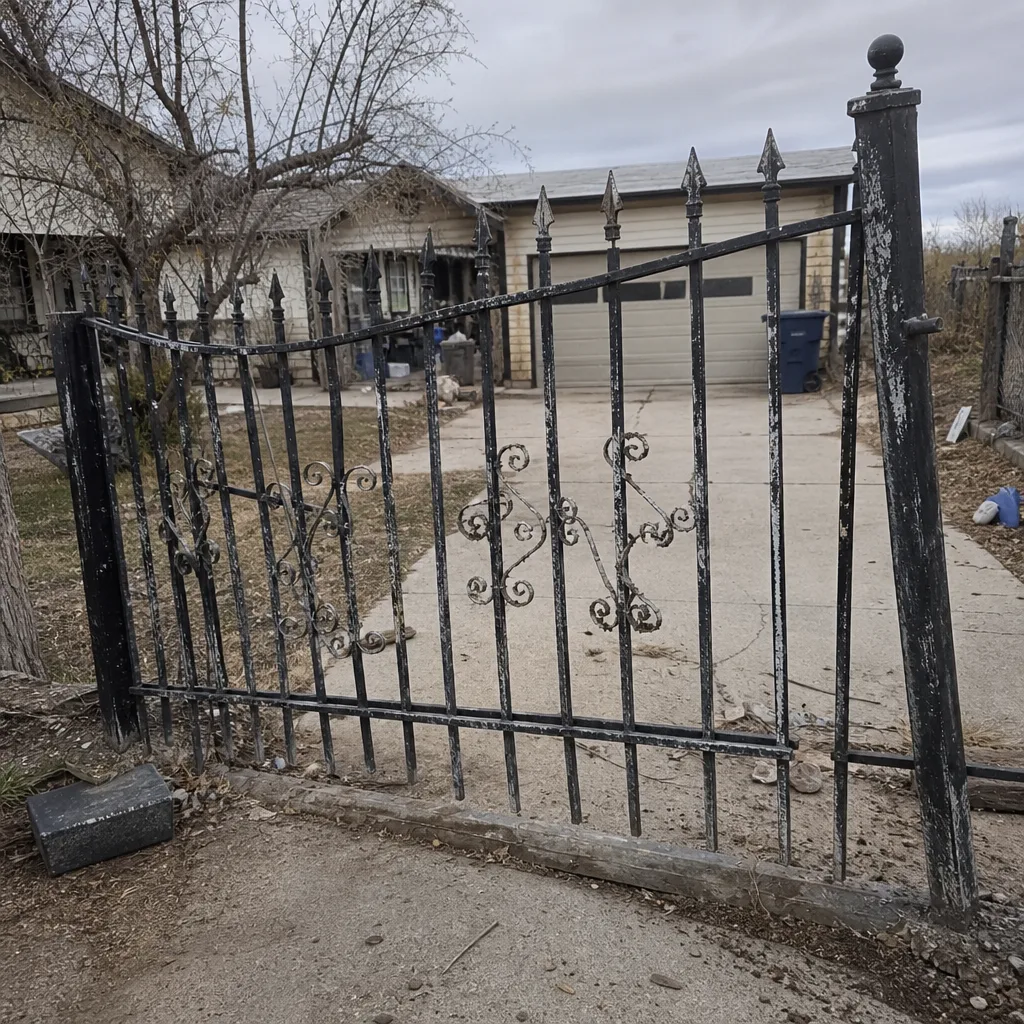 Before
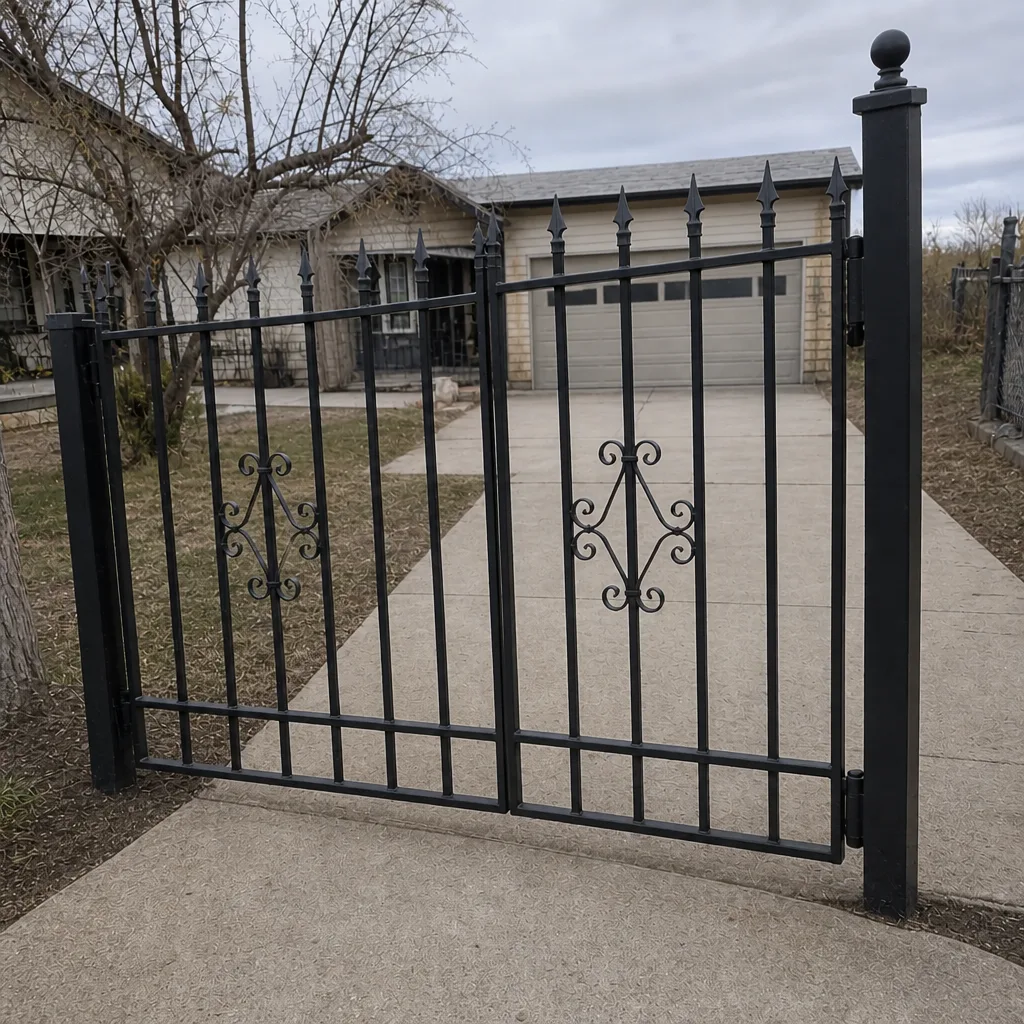 After
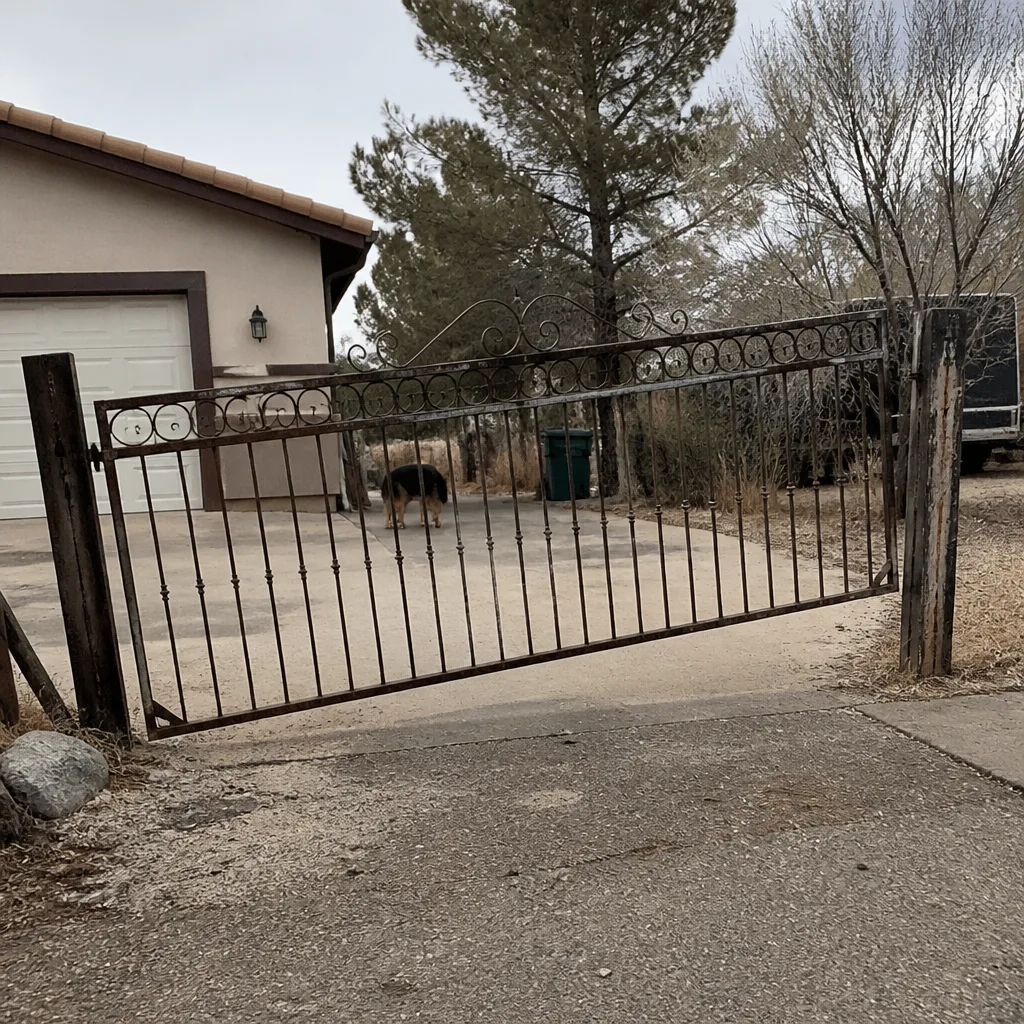 Before
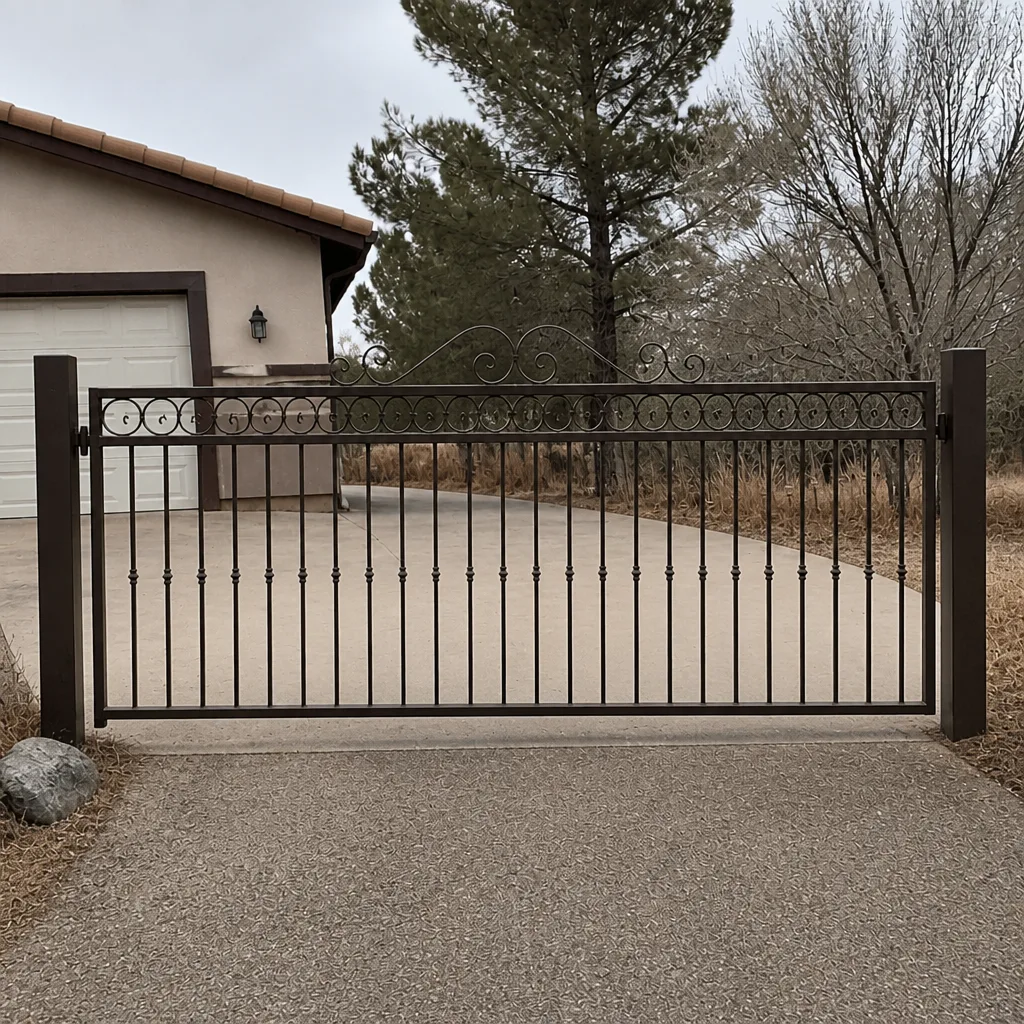 After
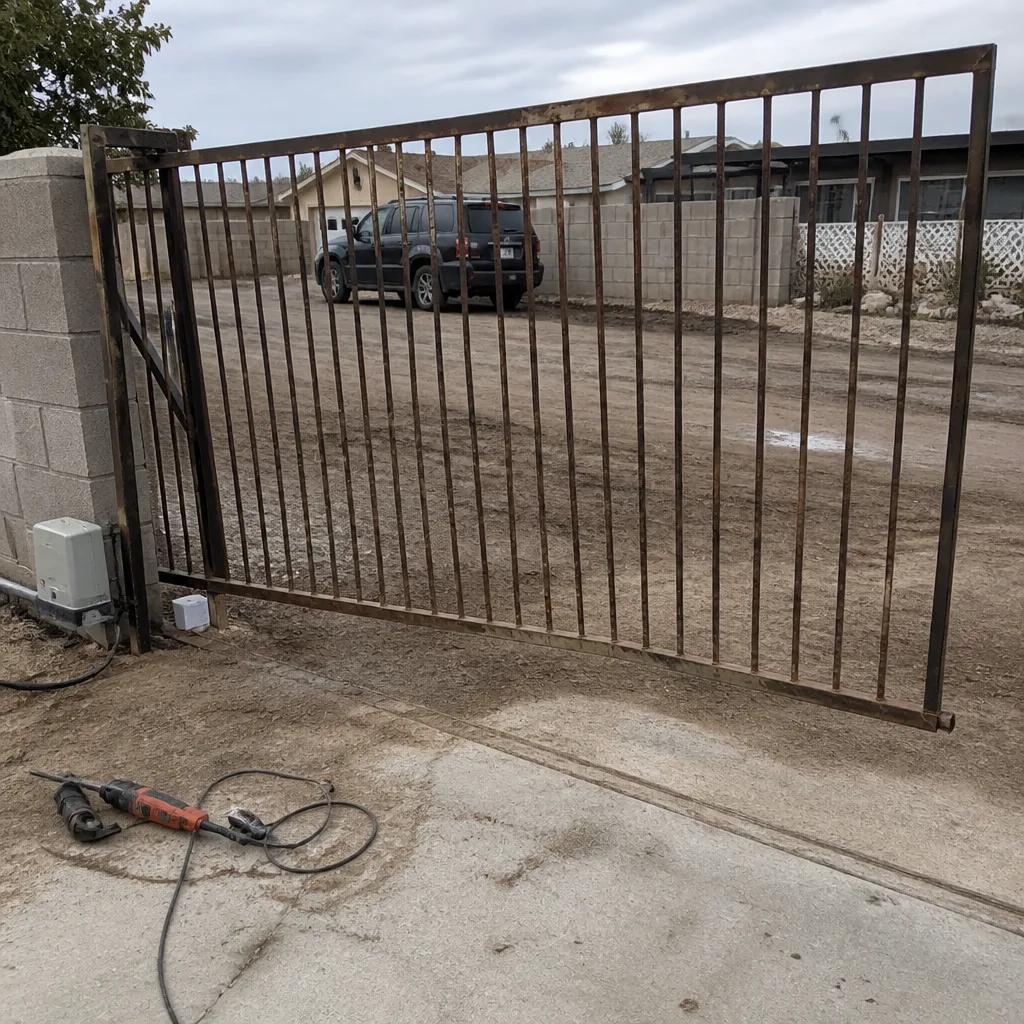 Before
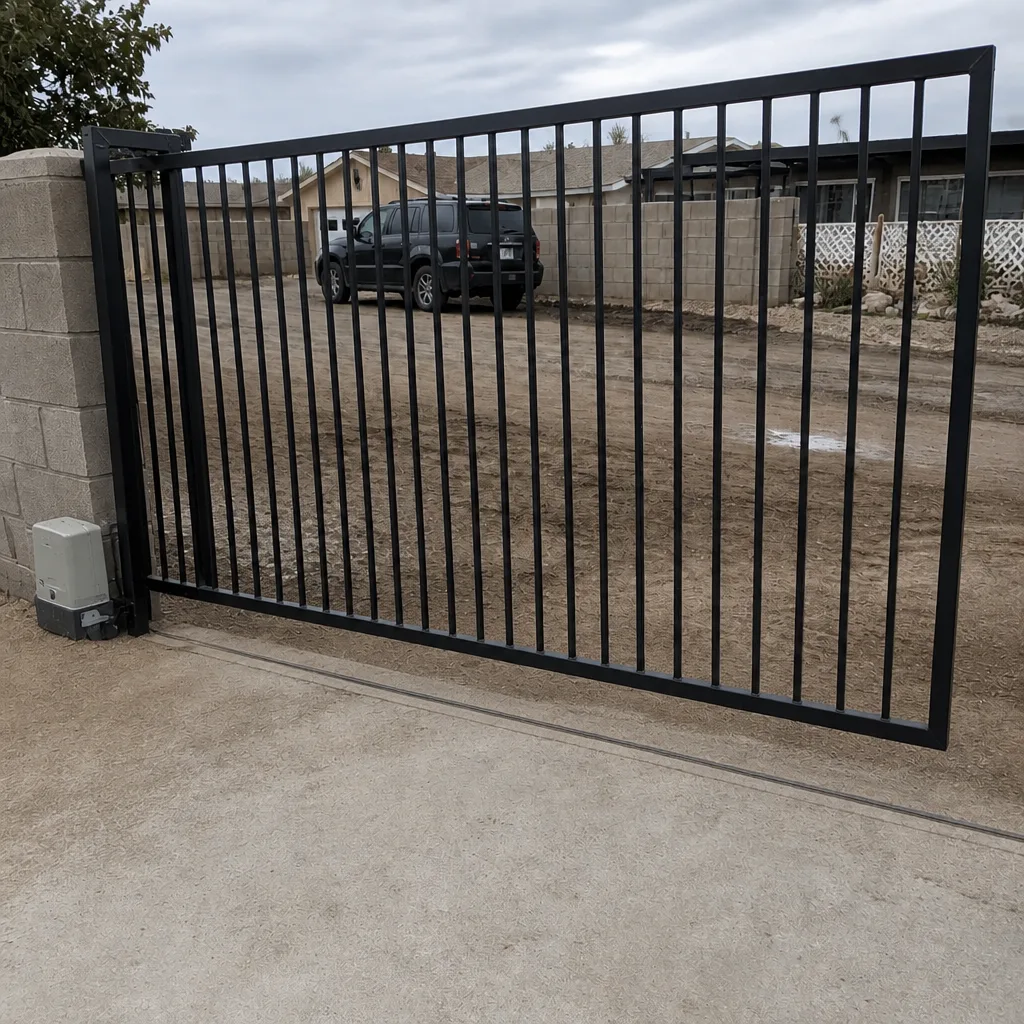 After
When to Call a Professional
Some of this checklist is genuinely yours to do: the wiping, listening, visual inspections, and touch-up paint. But a few situations need a trained technician, and it’s better to know where the line is. Call a professional if the gate sags or drifts out of alignment, if a weld shows cracks or rust staining, if the opener slows or groans on hot afternoons, if a hydraulic unit weeps fluid, or if any safety device fails its test. Those aren’t cosmetic. They’re the early stage of a bigger repair, and the sooner they’re caught the smaller the bill. Ironworks Gate Co. Winchester offers free estimates in Winchester, upfront pricing settled before a single bolt is turned, and a written 90-Day Done Right Promise on every job. Call (866) 984-8340 for a free estimate.
Frequently Asked Questions
In Winchester, gates need monthly lubrication and inspections during summer, quarterly weld and paint checks, and a full annual deep check. The high UV index and large daily temperature swing make the sun-facing and weight-bearing parts wear faster than a generic checklist assumes.
Heat thins hydraulic fluid and pushes both hydraulic and electromechanical operators harder, so a unit low on fluid or running old fluid can slow or groan on hot afternoons. If your gate opens unevenly during the day, call (866) 984-8340 for an exact quote. Estimates are free.
The gate-side pivot bearings and bushings, the operator’s drive mechanism and pivot joints, and the latch and catch assembly are the three most-skipped points, and together they account for most premature bearing and pivot failures we see in Winchester.
Look for cracked or chalky paint at the weld seam, rust staining at the base of the joint, and cracks radiating from the weld. When paint fails at a sun-exposed weld, moisture gets in and rust creeps into the joint, so any of those signs means the weld needs a professional look.
Yes. Grip the mounted gate near the post and try to rock it, then snug-check each visible bolt with a standard wrench and mark it with a paint pen so you can spot any that move later. If a bolt won’t stay tight, the gate is out of alignment and needs a professional.
We’re trained and equipped on nine leading gate-automation brands, including BFT, Linear, Viking, and Ghost Controls, so the correct fix is made on the first visit whatever is on the driveway. Call (866) 984-8340 for an exact quote. Estimates are free.
The Bottom Line
Maintaining a gate in Winchester means maintaining for UV and temperature swing, not moisture. That reorders the checklist: watch paint and welds quarterly, keep the hidden pivot points lubricated, test the opener for heat-related changes on hot afternoons, and snug-check the hardware with what’s already in your garage. Do the small things monthly and the deep check annually, and a well-built gate will close like the day it was hung for a very long time. When a task needs a trained hand, that’s where we come in. For a full look at what we do across the valley, see our gate repair service, our gate installation in Winchester work, and our gate motor and opener repair. Start at the Ironworks Gate Co. Winchester home page if you’re not sure which applies.
If your gate is showing any of these warning signs, don’t wait for a small fix to become a big one. Call Ironworks Gate Co. Winchester at (866) 984-8340 for a free estimate. A live person answers every call, 24 hours a day, and every job is backed in writing by our 90-Day Done Right Promise. Ask about our standing offers, including $50 off any repair over $250, a free second opinion on any written estimate, and our $89 Seasonal Tune-Up.
Written by the team at Ironworks Gate Co. Winchester.