
Last updated November 18, 2026
 Wrought iron
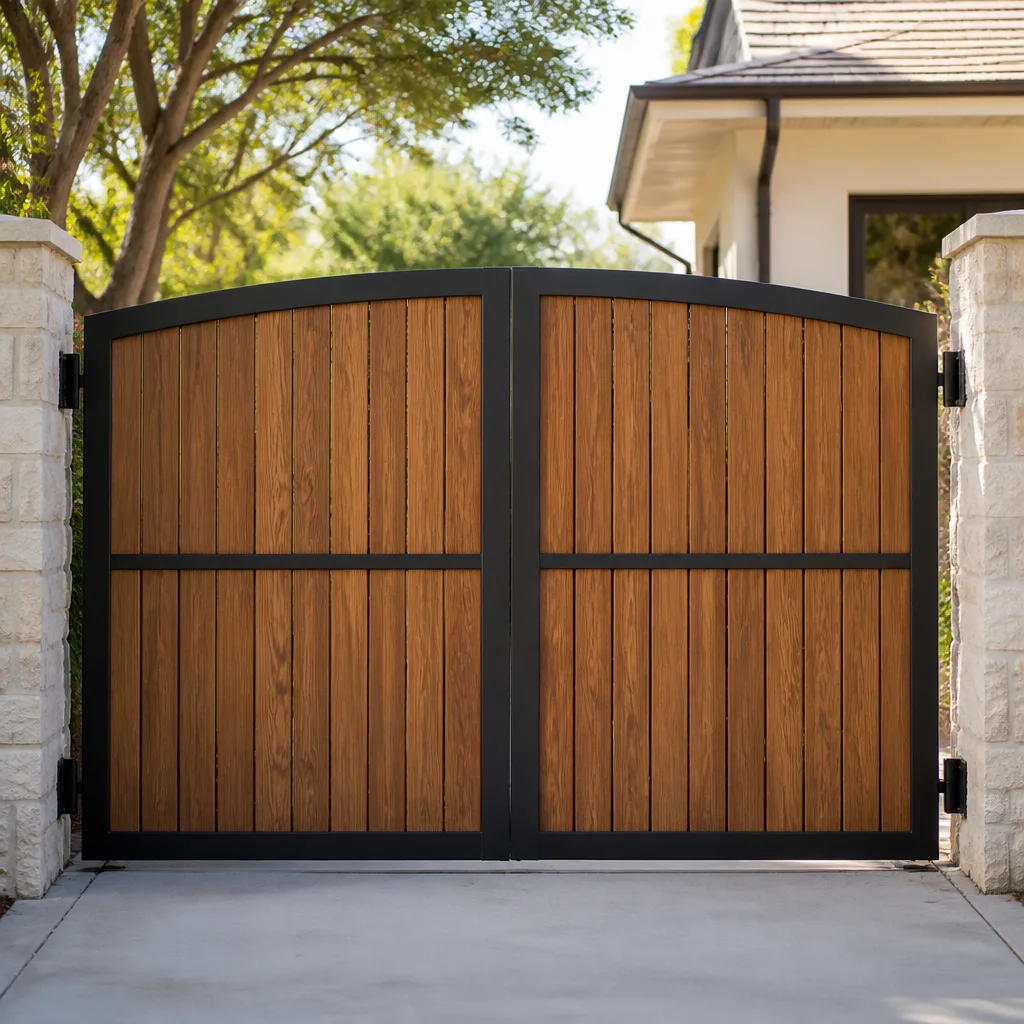 Wood & steel frame
 Farm & ranch
 Sliding driveway gates
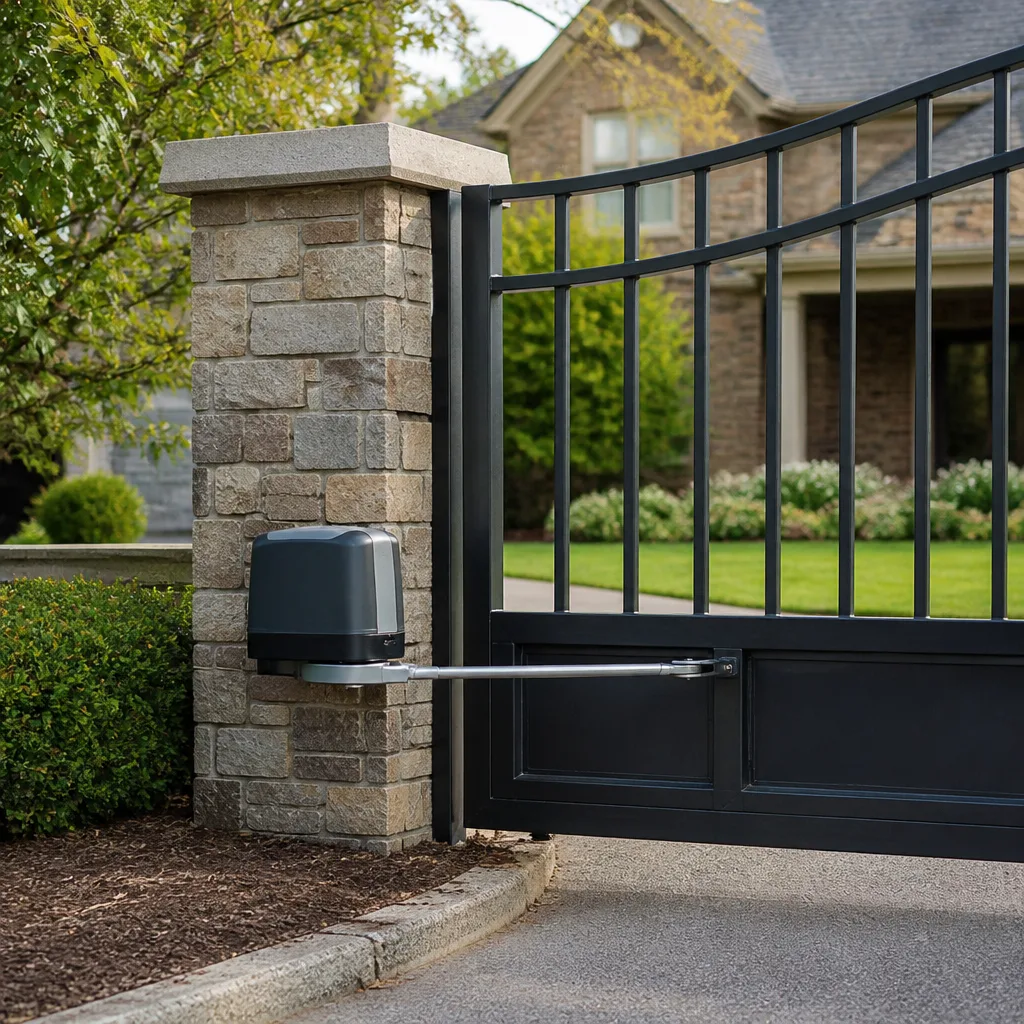 LiftMaster operators
Free on-site gate assessment - hinges, posts, and your LiftMaster or Nice gate operator checked before anything is quoted
The assessment is free and the quote is the invoice.
Get your free estimateGate Repair Maintenance Schedule: What to Do and When
The single maintenance task most likely to prevent a gate emergency costs nothing and takes about 90 seconds, yet fewer than one in ten homeowners actually do it. We’re talking about a slow visual walk along the track and hinges, watching for the small changes that signal a bigger failure. Every maintenance guide buries this under lists of tasks that need tools, ladders, and a free Saturday. In Winchester, where summer heat drives metal expansion and winter freeze-thaw works the ground beneath your posts, the timing of each task matters as much as the task itself. This guide gives you a climate-keyed calendar built for the desert, not a generic four-seasons template, plus the lubrication intervals, battery tests, and warranty-logkeeping that keep a gate running for decades.
Quick Answer
The core gate maintenance schedule is: a 90-second visual inspection monthly, lubrication every 3 to 6 months depending on component (hinges and rollers more often than chains), a battery backup test before summer storm season, and a full professional tune-up once a year in early fall. In Winchester, time the heavy checks to April (before the heat peaks) and October (before the first freeze). Everything else is adjusting intervals to what you actually see.
Styles & brands we work with
- Wrought iron
- Wood & steel frame
- Farm & ranch
- Sliding driveway gates
- LiftMaster operators
Table of Contents
- Why a Climate-Keyed Schedule Beats a Generic Checklist
- The 90-Second Visual Inspection Routine
- The Winchester Month-by-Month Calendar
- Lubrication Schedule by Component
- Testing Battery Backup Before Storm Season
- Which Tasks Void Warranties (and What to Log)
- What Different Openers Need
- Common Mistakes to Avoid
Why a Climate-Keyed Schedule Beats a Generic Checklist
A gate in Winchester lives a different life than a gate in Seattle. Our summers push metal to expand and contract daily, which loosens bolts and stresses welds. Our winters bring freeze-thaw cycles that shift the ground under gate posts and heave concrete pads. A generic quarterly PDF that says “lubricate in spring” misses the reality that a Winchester gate needs its hinges looked at more often in the heat of July and its posts checked after the first hard freeze in December.
We’ve seen this pattern across the valley. Gates that were installed correctly and given a climate-matched schedule easily outlast gates that got the same attention on a flat calendar. The difference isn’t fancy parts. It’s timing. When you service a component just before the season that stresses it, you catch wear before it becomes a failure.
That’s why the calendar later in this guide is built around Winchester’s actual weather. April and October are your anchor months. The tasks in between flex based on what your gate tells you during the 90-second walk. If you only remember two dates, remember those.
The 90-Second Visual Inspection Routine
This is the task that catches roughly 60% of developing problems before they become failures, and it needs nothing but your eyes and a slow walk. Do it once a month, ideally the same day each month so it becomes habit. Here’s the routine, in order:
- Walk the track or swing path. Look for debris, worn spots, or shiny metal where paint has rubbed through. Shiny means friction.
- Watch the gate move. Open and close it once. Listen for grinding, squealing, or a change in speed. Any new noise is a signal.
- Check the hinges and pivot points. Look for rust streaks, loose bolts, or a gap that wasn’t there last month.
- Look at the posts and ground. Is the gate still plumb? Has the dirt or concrete moved? In Winchester, frost heave shows up here first.
- Test the safety reversal. Put an object in the path and confirm the gate stops and reverses. This is a safety check, not a repair, and it should never fail.
The whole thing takes 90 seconds. If nothing looks off, you’re done. If something does, you’ve caught it early, when a small fix is still a small fix. That’s the entire point of a maintenance schedule: catching the cheap problems before they get expensive. If you ever spot a spring, cable, or hinge that looks cracked or displaced, stop using the gate and have it looked at. That’s the one part of gate systems you shouldn’t touch yourself.
The Winchester Month-by-Month Calendar
Here’s the schedule we recommend for Winchester homeowners, tuned to our two stress seasons. Treat it as a starting point and adjust based on what your monthly walk shows.
- January: Post-freeze check. After the coldest nights, walk the posts and look for ground movement. Test safety reversal.
- February: Hinge and roller check. Cold contracts metal; look for parts that have loosened. Light lubrication if dry.
- March: Photos of hinges and welds for your maintenance log. Schedule your spring tune-up now before April fills.
- April: The big pre-summer service. Lubricate all components, check motor, test battery, tighten hardware. This is the anchor month.
- May: Monthly walk plus a listen for new noise as heat builds. Watch for expansion-related rattles.
- June: Battery backup test before storm season. Confirm the opener’s manual release works.
- July: Peak heat. Check for loose bolts from daily expansion. Look for paint wear on the track.
- August: Monthly walk. Test safety reversal again. Keep the track clear of dust and grit.
- September: Schedule your fall tune-up. Clean and lubricate before the first cold snap.
- October: The second anchor month. Full check of posts, hinges, motor, and battery before freeze.
- November: Confirm the manual release still works smoothly. These stiffen in cold.
- December: Post-freeze check on posts and ground. Test safety reversal one more time before year end.
That’s a real calendar for Winchester’s conditions, not a version photocopied from a coastal city’s website. The two anchor months carry the most work; the rest are short checks that keep surprises off the table.
Lubrication Schedule by Component
Not every part wants the same grease at the same interval. Using one product on everything is a common shortcut that ends up wearing parts faster. Here’s how we break it down:
- Hinges and pivot points: every 3 to 4 months. These carry the load and dry out fastest in the heat. A lithium or silicone-based lubricant works well. Wipe away old lube before adding new.
- Rollers and tracks: every 4 to 6 months on sliding gates. Clean the track first, then apply a thin coat. Never glob it on; excess lube traps grit that speeds wear.
- Chains: every 6 months. Use a proper chain lubricant, not a general-purpose spray. Too much attracts dust; too little grinds the links.
- Limit screws and mechanical stops: check every 6 months, lubricate lightly only when dry. These are adjustment points, not high-wear surfaces, and over-lubricating can attract debris that shifts the limit.
- Motor gearbox: follow the opener brand’s manual. Sealed units typically need no user lubrication; some brands specify a few drops at a service interval.
If you’re not sure which lubricant goes where, that’s a fair question. Match the product to the component, not the other way around. A wrong lubricant on a roller can cause it to seize; the correct one lets it roll for years.
Testing Battery Backup Before Storm Season
Battery backup is the feature homeowners think about least until the power goes out, which is exactly the wrong time to discover it failed. In Winchester, the storms that cut power tend to hit in late summer. Test the battery in June, not after the outage.
- Locate the battery in the opener housing or control box.
- With the gate at rest, unplug the opener’s power (or trip the breaker if that’s the safe method in your setup).
- Operate the gate once. It should open and close on battery power with no hesitation or slowdown.
- Restore power and confirm the battery recharges or holds a full charge.
- Note the result and the date in your maintenance log.
If the gate struggles or won’t run at all, the battery is failing or the charging circuit isn’t working. Either way, it’s better to find out now. If your opener uses a branded battery system, match the replacement to the brand. We work on FAAC and Viking units regularly, and each has its own battery spec.
Which Tasks Void Warranties (and What to Log)
Here’s the part of maintenance that most homeowners never hear. Some well-meant tasks can void your manufacturer’s warranty, and others only protect it if you log them in writing. Knowing the difference saves you a fight later.
Tasks that can void coverage if done incorrectly: opening the motor gearbox, overriding limit settings without knowing the OEM procedure, replacing a control board with a non-spec part, and modifying the mounting or the safety edge wiring. These aren’t jobs for a Saturday afternoon. The manufacturer’s warranty generally assumes a trained professional made these changes.
Tasks you should log in writing to preserve coverage: every lubrication event (date and component), every battery test (result and date), and every professional service call. A simple notebook or a folder of receipts does the job. If you ever need to make a warranty claim, that log is your evidence that the gate was maintained as required.
We keep maintenance records for every customer. When a warranty question comes up, the paperwork is already there. That’s part of the standard we hold ourselves to on every job, and it’s why a written record matters as much as the wrench work.
What Different Openers Need
Winchester homes have a wide spread of opener brands on their gates, and each has its own quirks. We’re trained and equipped on nine major brands, so we can service whatever is on your driveway without calling a second company.
FAAC units tend to have sealed gearboxes that desire little user input beyond an annual check, but their electronic limits are sensitive to dust and grime. Viking openers are rugged and forgiving in the heat but want their battery backup tested on schedule. BFT models appreciate clean tracks and a light lubrication routine; their safety systems also want the reversal test done monthly. Linear units are common and straightforward, and their chain-driven models benefit from regular chain lube and a check for debris.
If you’re not sure what you own, that’s normal. Look for the badge on the opener housing, and we’ll handle the rest. Knowing the brand means the correct fix on the first visit instead of a guess. If you’d like to learn more about how we approach motor work, see our Gate Motor & Opener in Winchester page.
Common Mistakes to Avoid
- Skipping the 90-second walk because nothing seems wrong. The quiet periods are exactly when a small issue is building. By the time it makes noise, it’s usually no longer small.
- Using the wrong lubricant on everything. One spray for hinges and tracks is a common shortcut. Match the product to the component or you’ll speed up wear instead of slowing it.
- Forgetting to test the battery until the power is already out. In Winchester, storm season is a known date. Test ahead of it, not during.
- Ignoring ground movement around the posts. Frost heave and heat expansion shift the soil. A post that’s started to lean will eventually take the gate with it.
- Not keeping a written maintenance log. When a warranty question comes up, the log is your proof. Without it, the manufacturer can deny a legitimate claim.
- Adjusting limit screws without the OEM procedure. A small turn in the wrong direction can throw the gate’s travel off and trip its safety system. Leave limit work to a trained technician.
- Assuming a lower-priced generalist understands the opener. The metalwork is one skill; the automation is another. A gate that runs on a brand-specific board needs someone who knows that board.
Each of these mistakes has the same root: treating a gate like a car you park and forget. A short, regular routine prevents every one of them. If your gate has been running on neglect for a while, a free second opinion on any written estimate is a good first step to catching what you’ve missed. Our Gate Repair in Winchester page explains what a repair visit covers.
See the difference
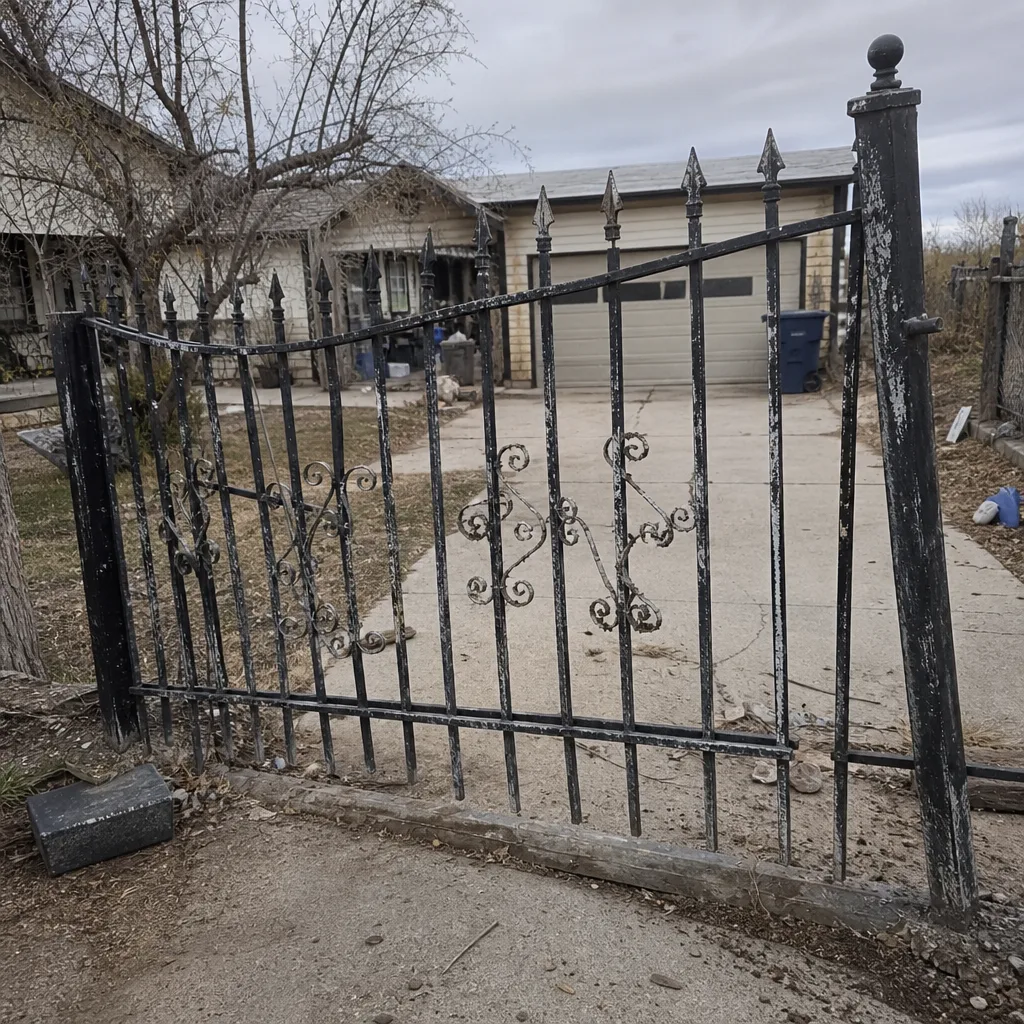 Before
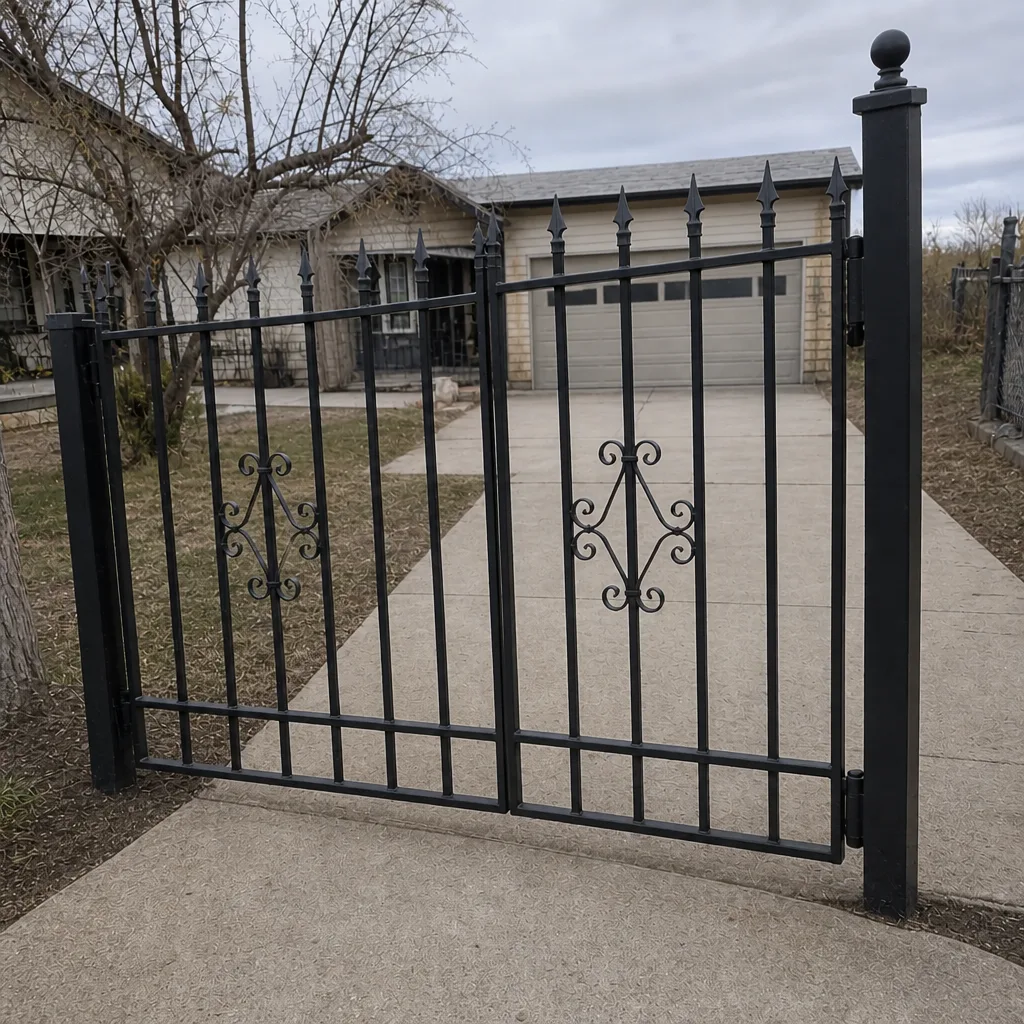 After
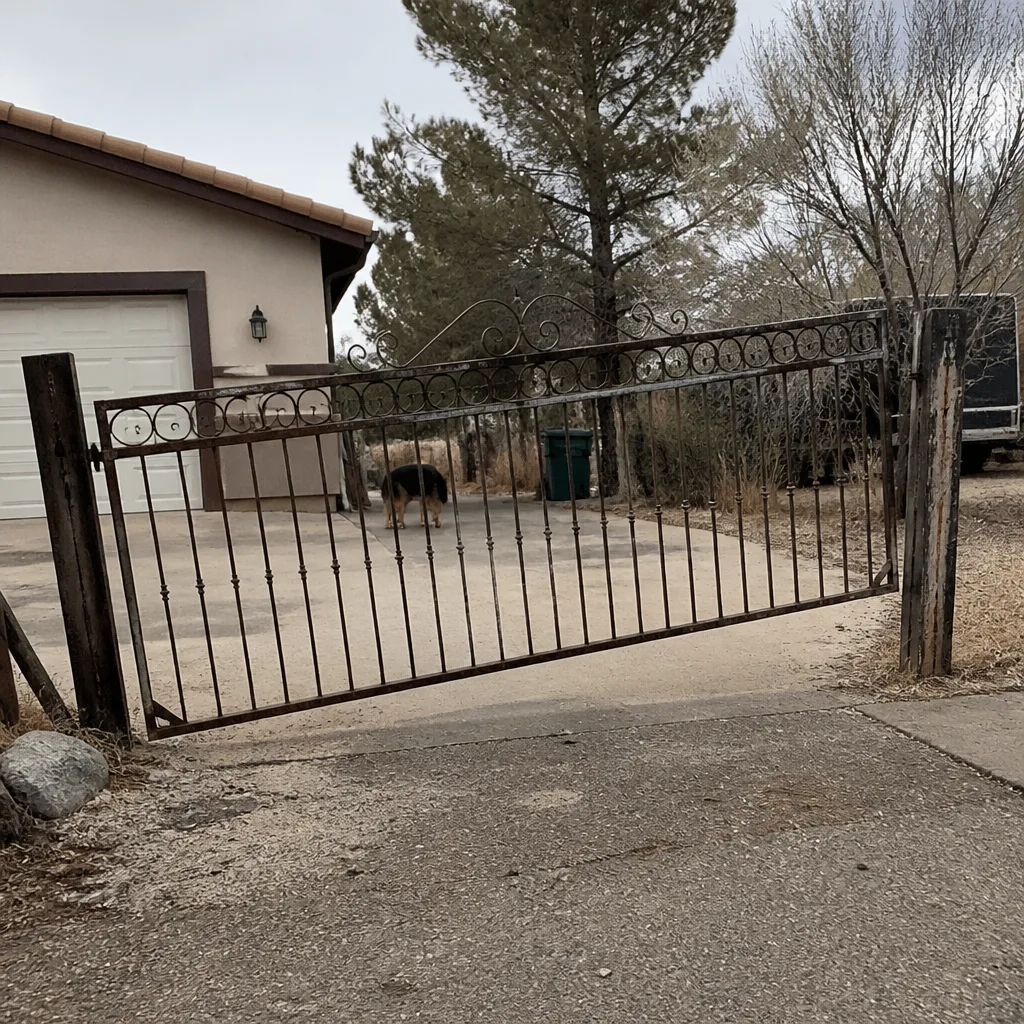 Before
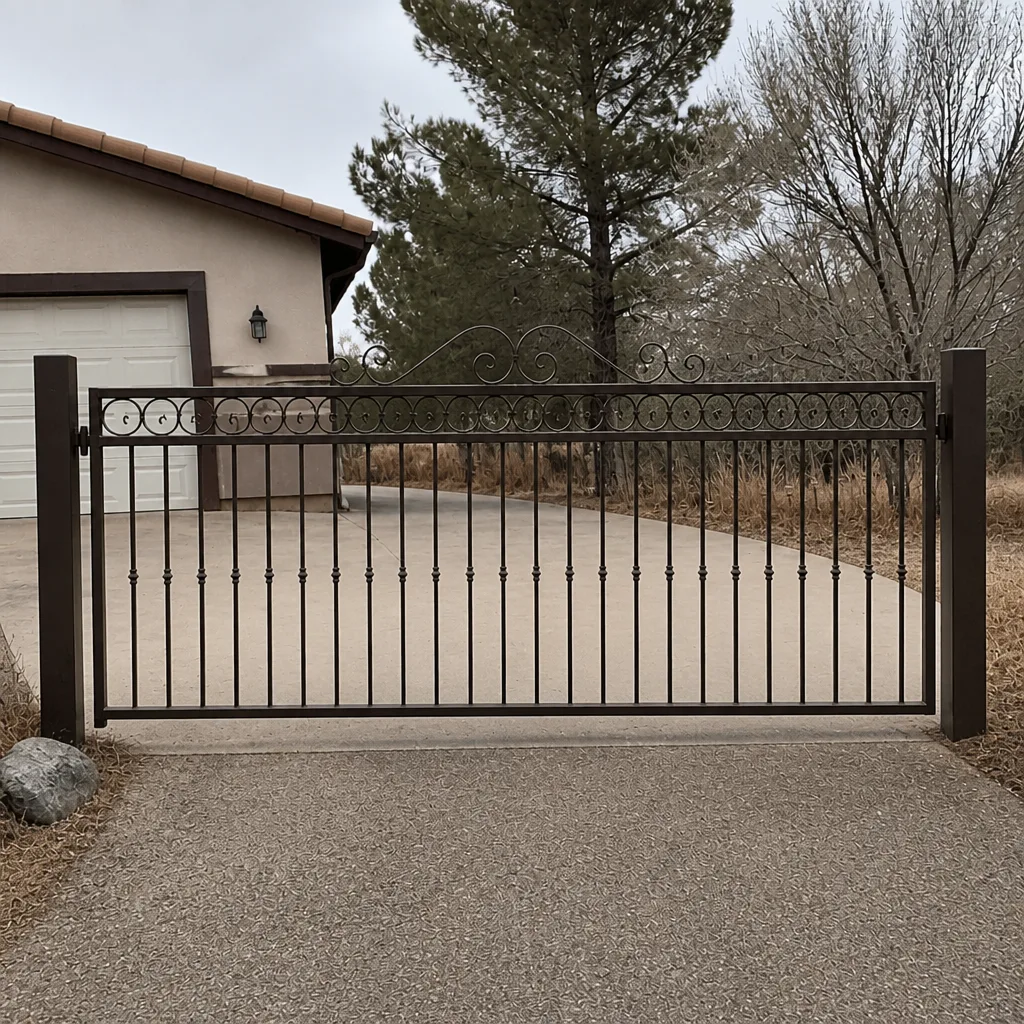 After
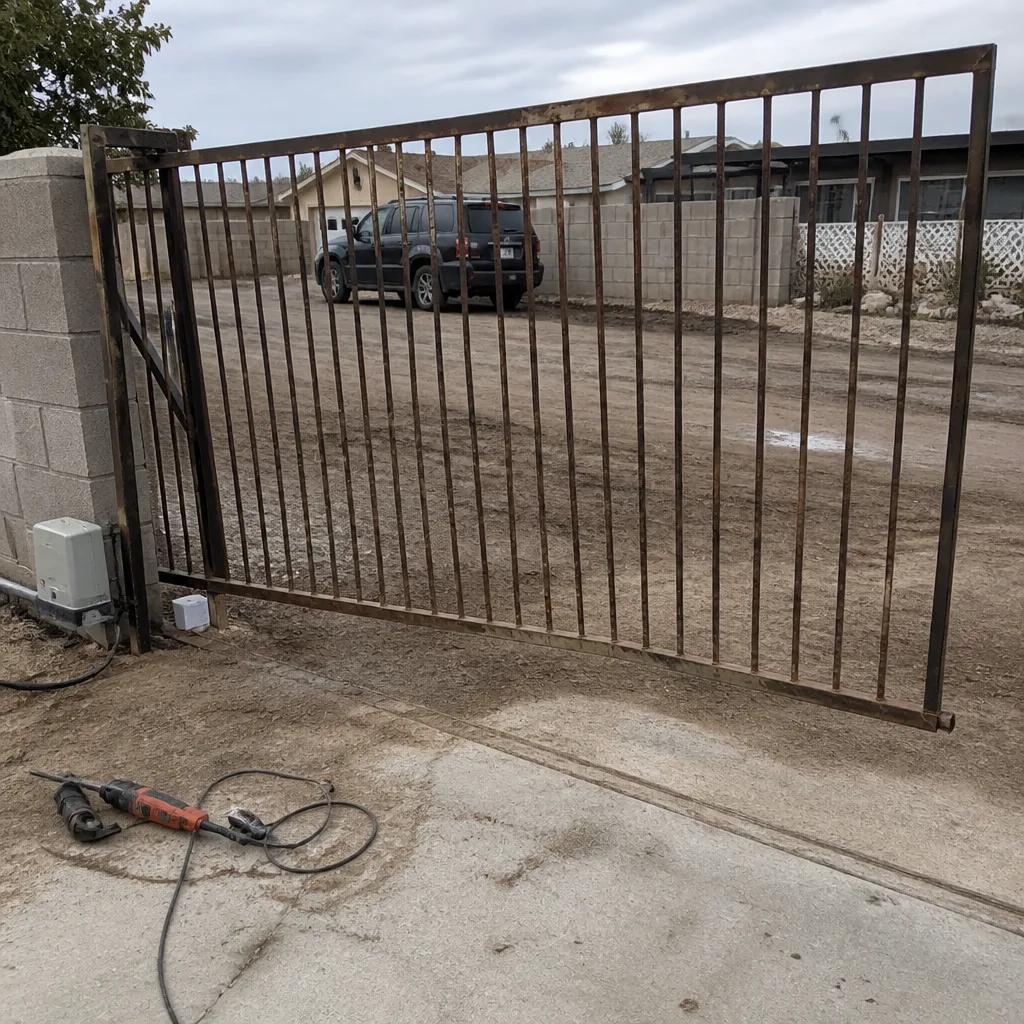 Before
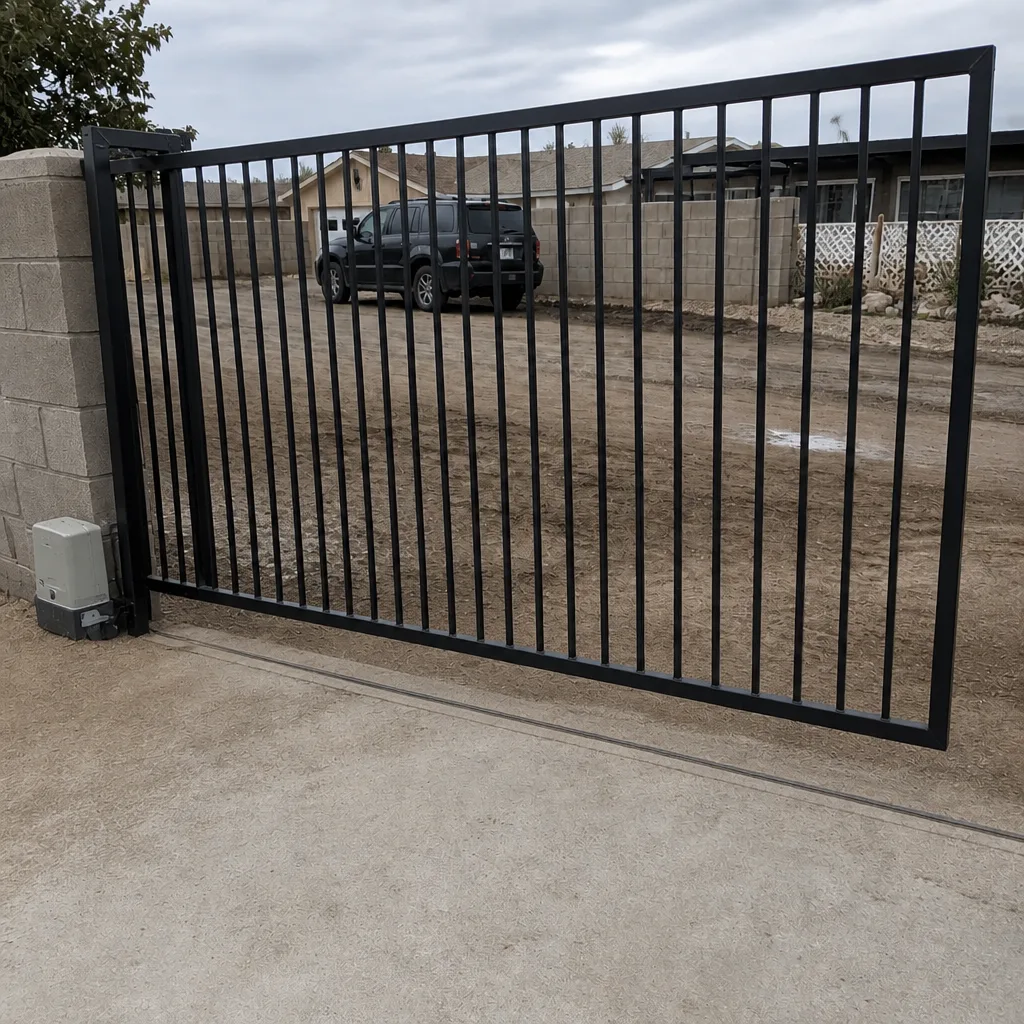 After
When to Call a Professional
Some maintenance work is genuinely safe for a homeowner to do, and some is not. Call a professional if you spot a cracked spring, a disconnected cable, a hinge that’s pulled loose from its mount, a post that’s clearly leaning, or a gate that reverses the wrong way or fails the safety test. Call us if the opener doesn’t respond to its remote, if the gate stops mid-travel, or if a safety edge no longer stops the gate when something is in the path. These are not DIY repairs. Springs and cables store dangerous energy, and a gate that fails the reversal test can hurt someone.
Ironworks Gate Co. Winchester offers free estimates in Winchester, and every job comes with our written 90-Day Done Right Promise. Call (866) 984-8340 and a live person will answer day or night. Existing customers get $50 off any repair over $250, and our $89 seasonal tune-up is a simple way to reset the schedule going forward. We also offer a permanent 5% senior and veteran discount. If you’re planning a new opener or a full new gate, see our Gate Installation in Winchester page for the full scope.
Frequently Asked Questions
Once a month for the 90-second visual walk, every 3 to 6 months for lubrication depending on the component, and a full professional tune-up in April and October. Winchester’s heat and freeze-thaw cycles stress gates in two distinct seasons, so those anchor months matter more than a flat quarterly checklist. Call (866) 984-8340 if you’d like us to set your gate up on a schedule that fits its age and type.
The monthly 90-second visual inspection, which catches around 60% of developing problems before they become failures. You’re watching for new noises, shiny wear spots, loose bolts, and ground movement at the posts. It’s free, it needs no tools, and it prevents most emergency calls. If you spot something you’re not sure about, a free second opinion is a quick way to get an answer.
In many cases, yes. Repairs are often completed on a single visit, and we plan our days to make that possible. If your gate is stuck, making noise, or failing its safety test, call us early. Same-day availability isn’t a promise on every job, but a live person will answer and give you a straight answer. Call (866) 984-8340 for an exact quote; estimates are free.
Not all of it, but some tasks can. Opening a sealed gearbox, replacing a control board with a non-spec part, and reworking safety edge wiring can all affect coverage. Routine lubrication, battery tests, and professional service generally protect your coverage, as long as you keep a written log with dates and results. If you’re unsure what your warranty requires, bring the paperwork to your next service call and we’ll review it.
Because the metal and the ground both respond to temperature. Summer heat causes daily expansion that loosens bolts and stresses welds; winter freeze-thaw shifts the soil beneath posts. A gate that acts up only in July likely needs a summer lubrication pass and a hardware check, and a gate that sticks in January often needs a post and release check. Our calendar is built around exactly those two patterns.
Yes. We service hinges, welds, tracks, and posts, and we’re trained on nine gate-automation brands, so the correct fix gets made on the first visit whether the problem is metal or motor. That covers both sides of the job without involving a second contractor. Call (866) 984-8340 for a free estimate.
The Bottom Line
Gate maintenance works best when it’s timed to the conditions a gate actually lives in. In Winchester that means two anchor months in April and October, a monthly 90-second walk, component-specific lubrication on 3 to 6 month intervals, a battery test before storm season, and a written log that protects your warranty. None of it is complicated. All of it is easier than a repair. If you’d like the whole schedule handled by the people who work on gates all day, we’re here. Done right, and backed in writing.
Ready to stop thinking about your gate? Call (866) 984-8340 for a free estimate. A live person answers 24 hours a day, 7 days a week, and we’ll give you a square deal with an upfront price settled before a single bolt is turned. Start with our Ironworks Gate Co. Winchester home page if you’d like to see the full scope of what we do.
Written by the team at Ironworks Gate Co. Winchester.