
Last updated November 18, 2026
 Wrought iron
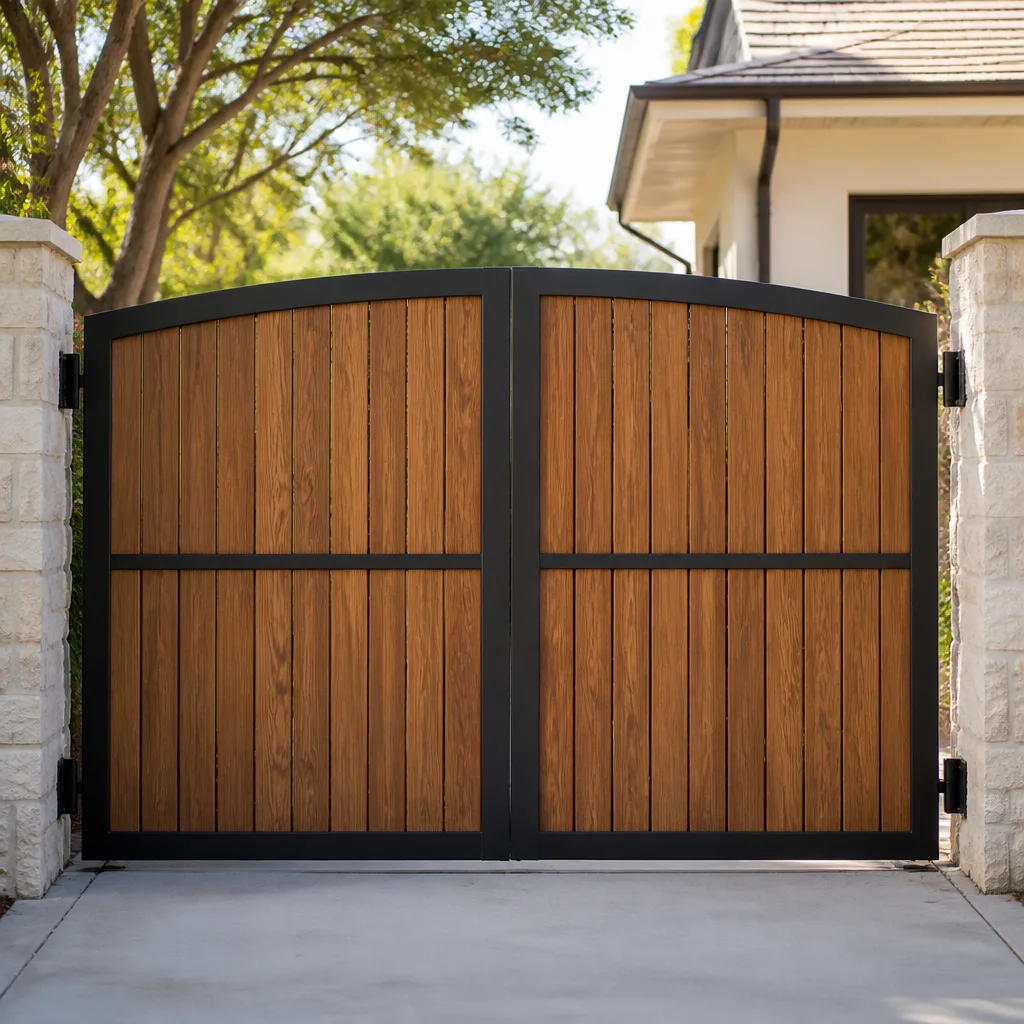 Wood & steel frame
 Farm & ranch
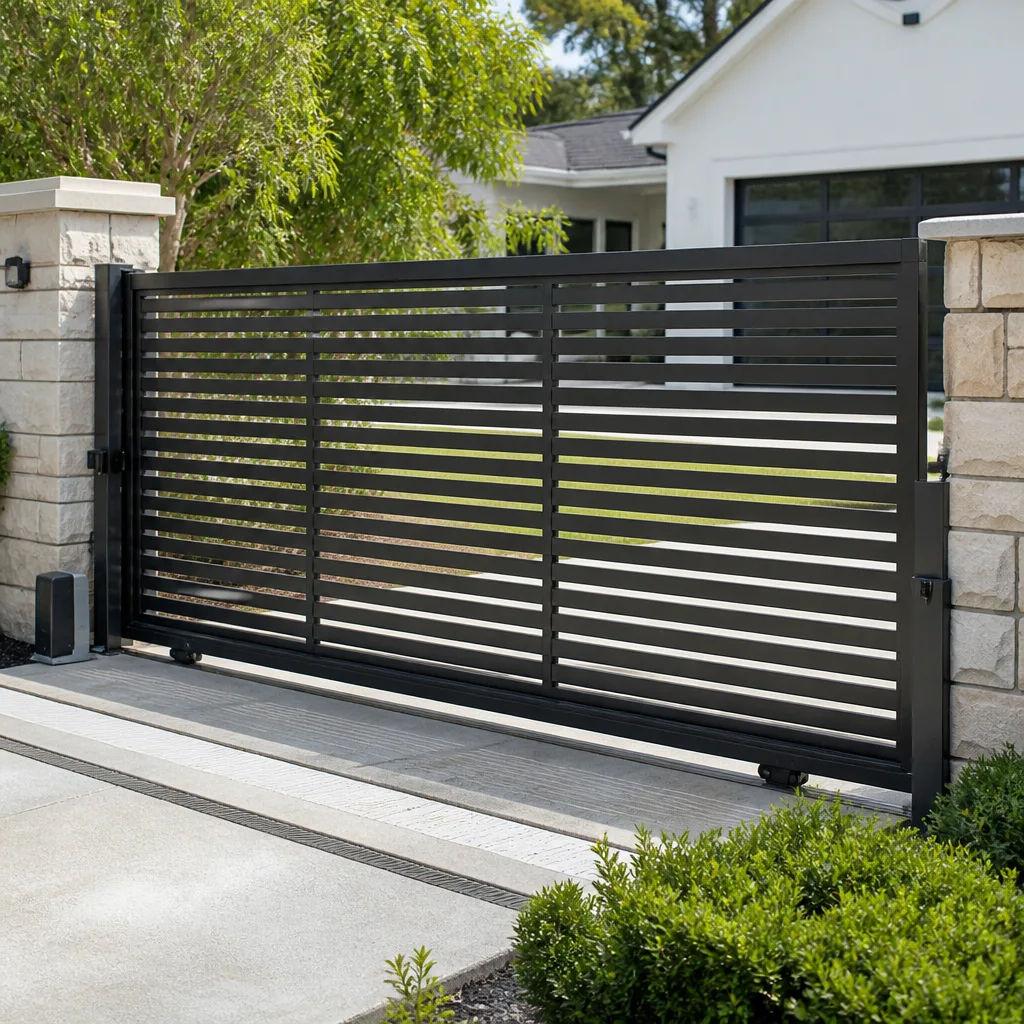 Sliding driveway gates
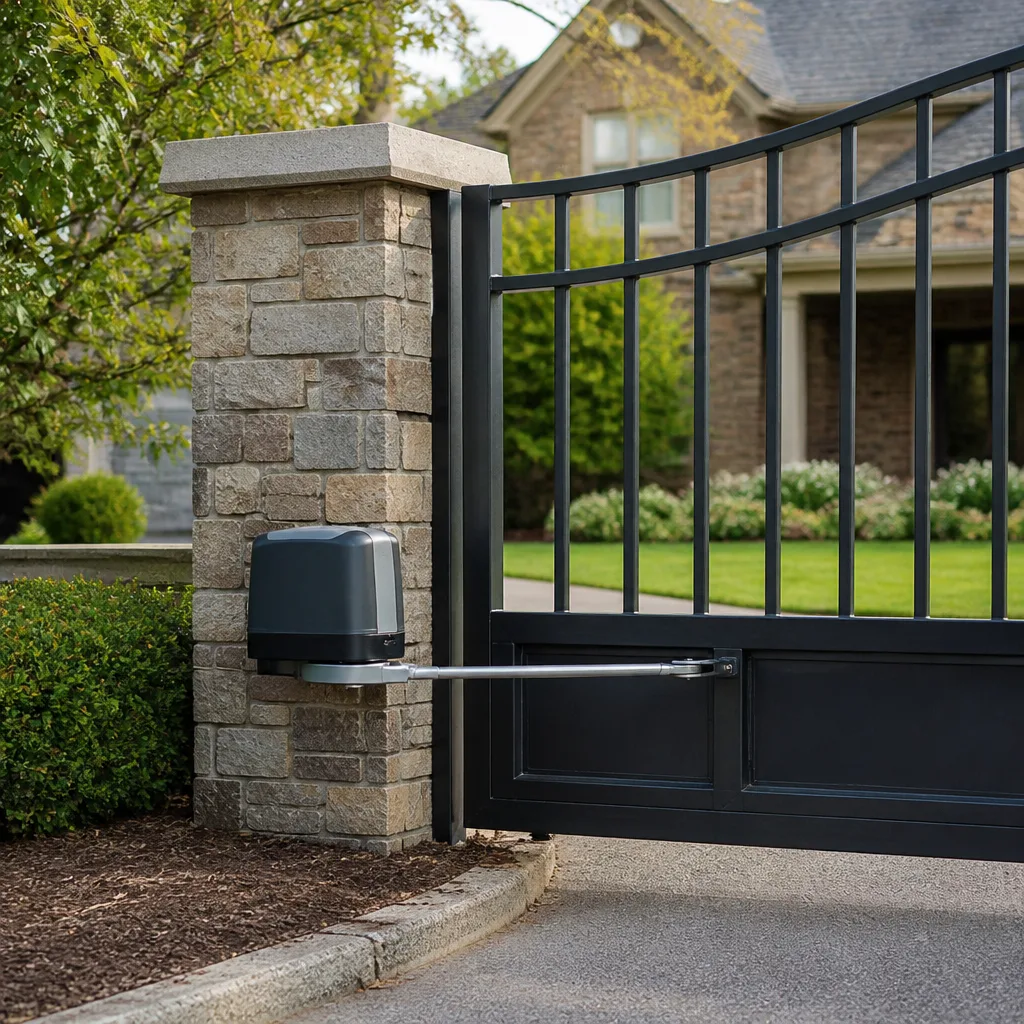 LiftMaster operators
Free on-site gate assessment - hinges, posts, and your LiftMaster or Nice gate operator checked before anything is quoted
The assessment is free and the quote is the invoice.
Get your free estimateGate Installation Maintenance Schedule: What to Do and When
The riskiest year in a gate’s life isn’t year fifteen. It’s year one. New operators need a break-in lubrication service between 60 and 90 days of operation, and almost nobody tells the homeowner that when the gate goes in. Skip it, and the wear starts early: stretched chain, chewed drive gears, a motor working harder than it should by the second summer. In our experience across Winchester, the gates that fail young are usually the ones nobody serviced at all in that first season. This guide lays out the schedule most installers never hand you, from the break-in service to the first full seasonal cycle.
Quick Answer
A newly installed gate needs its first service at 60 to 90 days of operation (break-in lubrication and a hardware check), then a full inspection at six months, and a standard tune-up at the one-year mark. After that first full seasonal cycle, you move to a twice-a-year schedule: once in spring and once in fall. Keep written records of each visit, because manufacturer warranties on FAAC, BFT, Linear, and Viking operators can require proof that scheduled maintenance happened.
Styles & brands we work with
- Wrought iron
- Wood & steel frame
- Farm & ranch
- Sliding driveway gates
- LiftMaster operators
Table of Contents
- Why Year One Is Different for a New Gate
- The Year-One Maintenance Calendar
- Break-In Service Intervals by Opener Type
- Registering the Warranty and Keeping It Valid
- First-Year Inspection Points That Catch Structural Problems
- Transitioning to a Long-Term Schedule
- Common Mistakes to Avoid
- Frequently Asked Questions
Why Year One Is Different for a New Gate
A brand-new gate is not a settled machine. Metal finds its true alignment as it cycles, hardware beds in, and moving parts wear against each other for the first time. That settling is normal, but it means the first year of maintenance looks nothing like the years that follow. A break-in service checks that everything seated correctly; ongoing maintenance mostly keeps a known-good system that way.
We’ve seen the same pattern in Winchester more than once. A homeowner gets a clean installation in the fall, there’s no follow-up visit scheduled, and by the following spring the chain looks slack and the operator is straining. Nothing failed on the install. What failed was the absence of a schedule.
The fix is simple: treat the first year as its own maintenance season with its own milestones. That means:
- A break-in lubrication service at 60 to 90 days of operation.
- A hardware and alignment check at the six-month mark.
- A full tune-up at the one-year mark, before the next weather swing.
If your gate was installed by us, this schedule is part of the job. Our Gate Installation in Winchester work comes with the 90-Day Done Right Promise in writing, so if something we installed isn’t right, we come back and make it right. That’s the Keystone Standard, and it applies to every gate we touch.
The Year-One Maintenance Calendar
Here is the schedule we recommend for any newly installed gate, whether or not we did the work. Print it, stick it to the inside of the garage door, and mark the dates.
- Day 60 to 90 of operation: Break-in lubrication service and hardware check. Confirm the operator is tracking square and nothing has shifted.
- Month 6: Full inspection. Check welds, hinges, and the footing for early movement. Verify the safety edges and reversing function are working.
- Month 12: Full tune-up. This is the transition visit, where we set the gate onto a standard long-term schedule.
- Every spring and fall after year one: Two scheduled visits a year, timed to the seasonal temperature swings here in the valley.
If the operator is on a software-controlled access system, add a check after any firmware or keypad update. It’s a five-minute check, but it catches the rare case where a setting drifts and the gate stops fully closing.
The reason spring and fall matter in Winchester: the temperature swings between summer heat and winter nights move metal and pull hardware in ways that show up twice a year. A gate that’s fine in July can develop a small gap by January. Hitting both seasonal peaks keeps the schedule ahead of the movement instead of chasing it.
Break-In Service Intervals by Opener Type
Not every operator breaks in the same way. The right first-service interval depends on what’s moving the gate:
- Chain drive: 60 to 90 days. Chain needs lubrication as it beds into the sprocket, and a fresh chain will stretch slightly during the first months. Leave it too long and the slack gets taken up by the drive gear, which wears faster.
- Belt drive: 90 to 120 days. Belts bed in more gently than chain, so they can wait a little longer, but a belt that runs dry in the first season will fray at the edges. Inspect for glazing or cracking at each visit.
- Jackshaft: 60 to 90 days, with close attention to the torsion assembly, not just the operator. A jackshaft setup puts more load on the torsion hardware, and a break-in check is where you catch it before it becomes a problem.
- Linear actuator: 60 to 90 days on the arm and pivot joints. Most linear-arm gate systems need lubrication at the pivots, and the first service is when the pivot wear pattern gets set.
Brands matter less than the type of mechanism, but they aren’t irrelevant. The operators we service most in Winchester – FAAC, BFT, Linear, and Viking among them – each have their own manufacturer-recommended service intervals, and the break-in visit is when we cross-check the installation against them. Calling an installer who works across those brands matters here, because a generic handyman won’t know one system’s break-in quirks from another’s.
A well-installed gate, correctly serviced at that first break-in visit, will run cleanly for years. The same gate, skipped, is where the premature-wear stories come from.
Registering the Warranty and Keeping It Valid
Most homeowners never register their gate operator, and that’s a quiet mistake. Warranty registration links the serial number to the property and starts the coverage clock. It also, in many cases, is the entry point for the manufacturer’s maintenance record requirement, which is the part people miss.
Here’s the process we walk every new customer through:
- Locate the serial plate on the operator housing and photograph it.
- Register the operator with the manufacturer within the registration window, using the installation date, model, and serial number.
- Keep a maintenance log with the date, work performed, and who performed it. A signed service record is worth more than a memory.
- File service receipts alongside the log. If a warranty claim ever comes up, the paperwork is already assembled.
- Bring the log to every scheduled visit so it’s updated on the spot.
The maintenance documentation requirement is where the promise is kept or broken. Some warranties require proof that scheduled service happened. If you can’t produce it, the claim can be denied even when the failure was a genuine defect. A small logbook closes that risk.
If your operator was installed by us, this registration and logging is part of the job, not an afterthought. For a free second opinion on any written estimate you’ve been given, call us – we’ll read the warranty terms and the maintenance schedule with you before you sign.
First-Year Inspection Points That Catch Structural Problems
The first-year inspections are where you find out whether the footing and welds are settling correctly. These are the points we check, and what each tells us:
- Footing levelness: A post that has tilted a quarter-inch in six months is a warning. It could be soil settlement or a drainage problem, and it’s much easier to correct early than after a gate stops latching.
- Weld inspection: Look at the weld lines on the hinge side of the gate leaf. A hairline crack or rust bloom at a weld is the first sign of stress. Catching it in year one means a repair, not a replacement.
- Hinge wear and play: The hinge pins should be tight. Any clunking or visible play after a year suggests the gate is out of balance, and that force is going somewhere.
- Track and guide alignment: Sliding gates should run without noise. Noises that appear in year one point to guide misalignment, which is a quick fix if caught early.
- Drainage at the footing: Water pooling around a footing in Winchester’s rainy season is the most common way a footing starts to fail, and it’s the easiest thing to remedy once identified.
What we’re really checking for is where the gate is fighting itself. A structural problem in a new install usually shows up as noise, slack, or a gate that doesn’t close flush. Acting on it in the same visit is the whole point of catching it in year one.
If you spot any of these between visits, our Gate Repair in Winchester service is the right call. Bring the observation and we’ll check it as the first step.
Transitioning to a Long-Term Schedule
The one-year tune-up is where the gate crosses from new to standard. After the first full seasonal cycle, the schedule changes from the three-visit new-installation calendar to the twice-yearly standard:
- Spring visit: lubricate the moving parts, inspect the welds and hinges, verify the operator safety features, and clean the track or guides.
- Fall visit: re-lubricate, tighten hardware, check the footing, and test the manual release in case of a power outage.
That’s the shape of the long-term schedule. If your gate is on a battery backup system, add a battery test to the fall visit, since battery health is one of the things that consistently degrades quietly. Our Gate Motor & Opener in Winchester service includes the operator and the backup system, so the fall visit covers both.
One last point on timing. If your installation happened in late fall, your one-year tune-up lands the following fall, and the transition is clean. If it happened in spring, the spring tune-up is your transition point. What matters is hitting the seasonal cycle with the maintenance, not the calendar year.
Common Mistakes to Avoid
- Skipping the break-in service. This is the single most common failure we see in newly installed gates. It’s not on the customer’s radar because nobody mentioned it, and it’s the leading cause of premature chain and drive-gear wear.
- Washing the gate down with a high-pressure hose. Forceful water drives out bearing grease and pushes grit into the mechanism. A gentle rinse is fine; a pressure wash isn’t.
- Not registering the warranty. A gate installed on a Monday and never registered is a gate with an orphaned warranty. Registration is a fifteen-minute task and nobody does it unless prompted.
- Assuming a quiet gate needs no service. A gate that hasn’t been oiled in a decade sounds the same as a new one for the first year, then fails. Quiet is not the same as healthy.
- Servicing only when something fails. By the time a gate stops closing, the repair cost has usually grown past a regular tune-up. The $89 seasonal tune-up offer exists for exactly this reason.
- Using the wrong lubricant. WD-40 on a chain is not the same as a purpose-made gate lubricant. The wrong product attracts dust and accelerates wear.
- Not updating the maintenance log after a visit. The log is your warranty documentation. If you can’t produce it, a warranty claim can be denied even for a legitimate defect.
See the difference
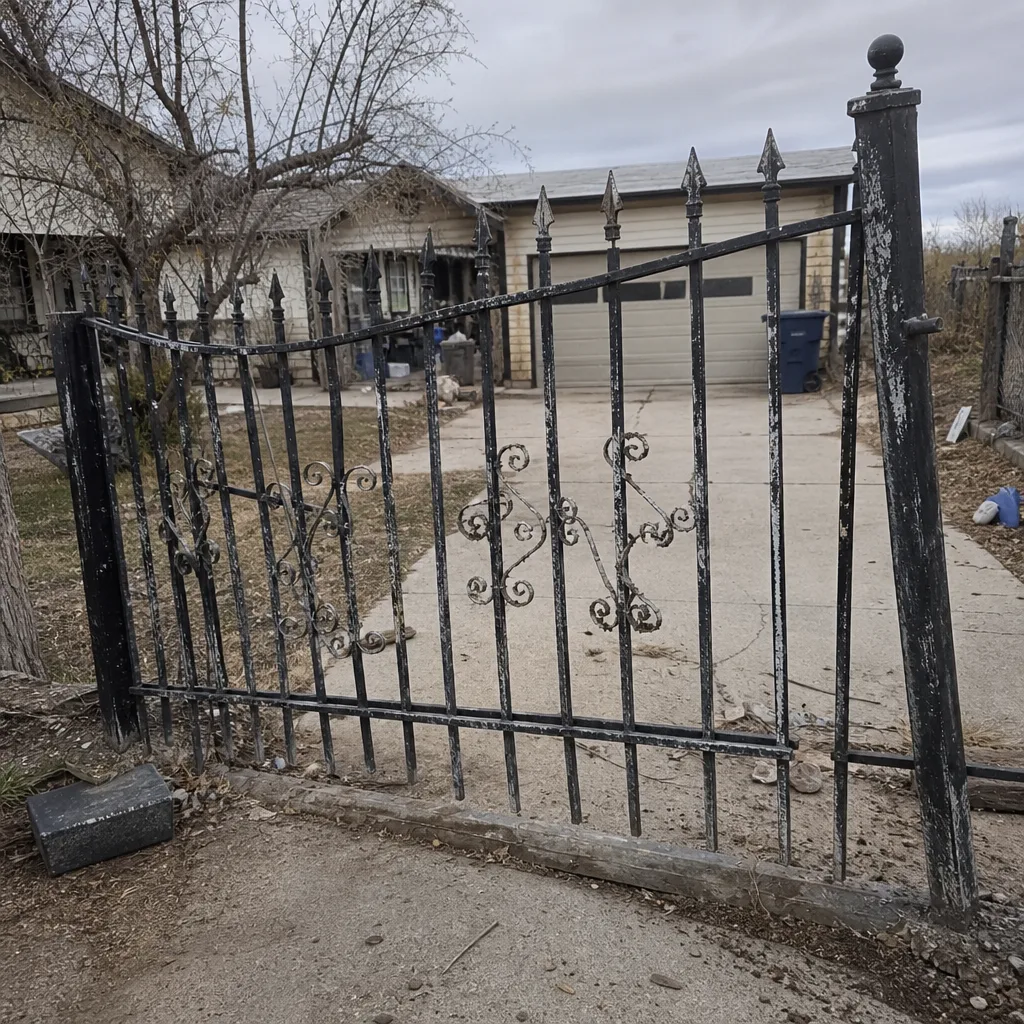 Before
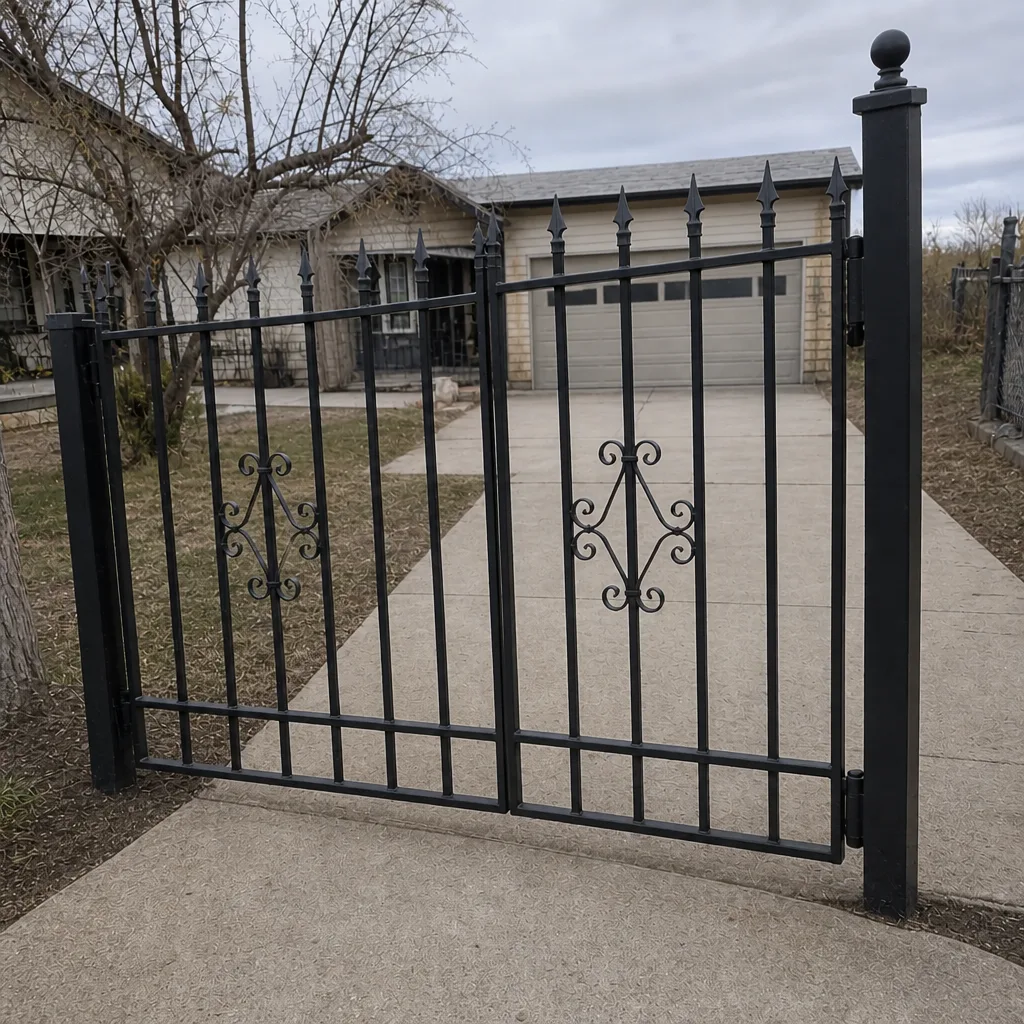 After
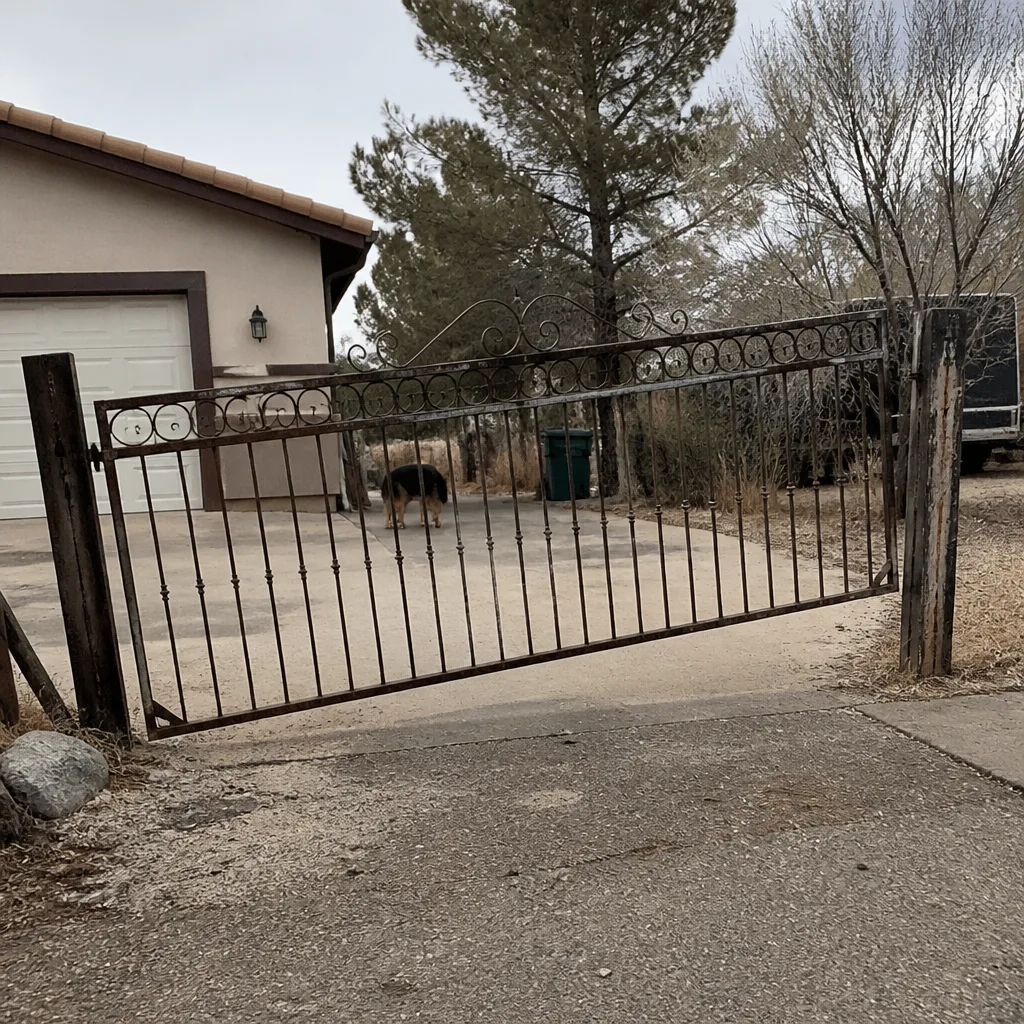 Before
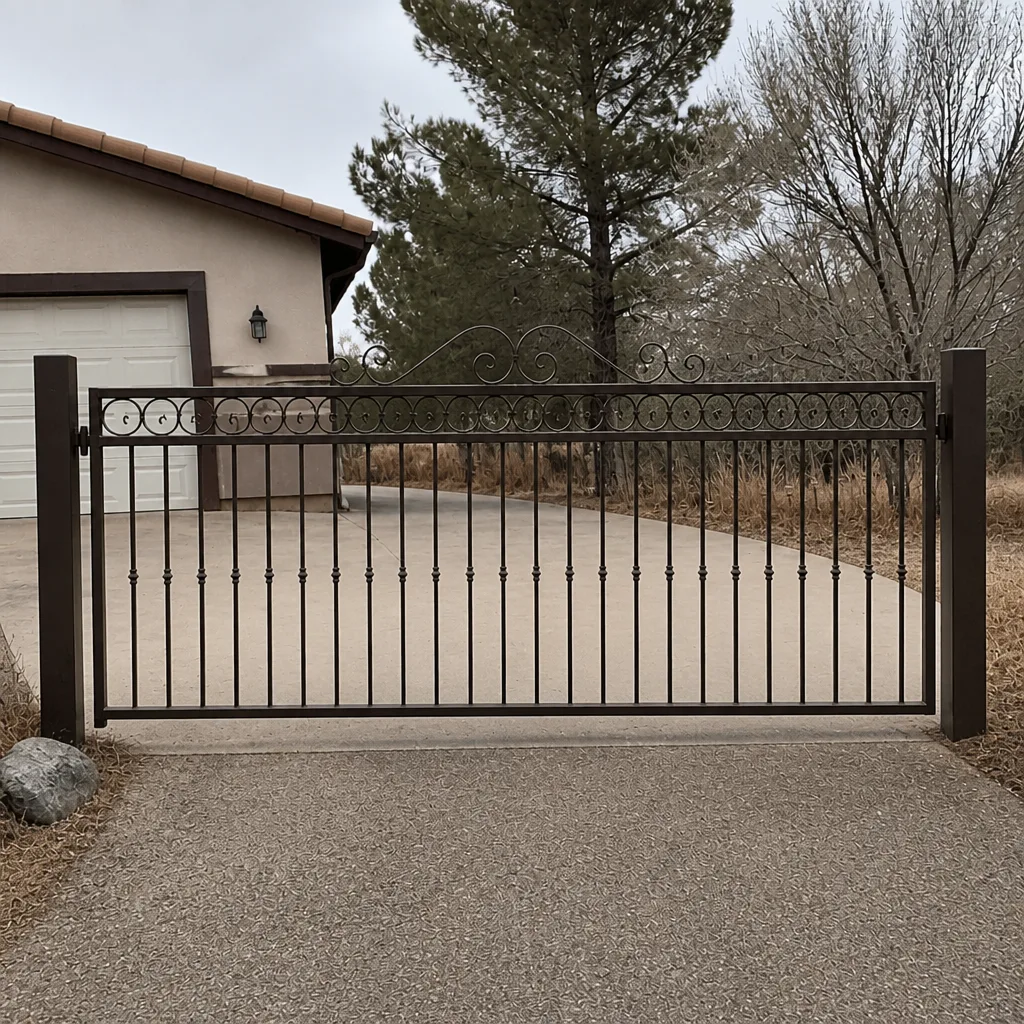 After
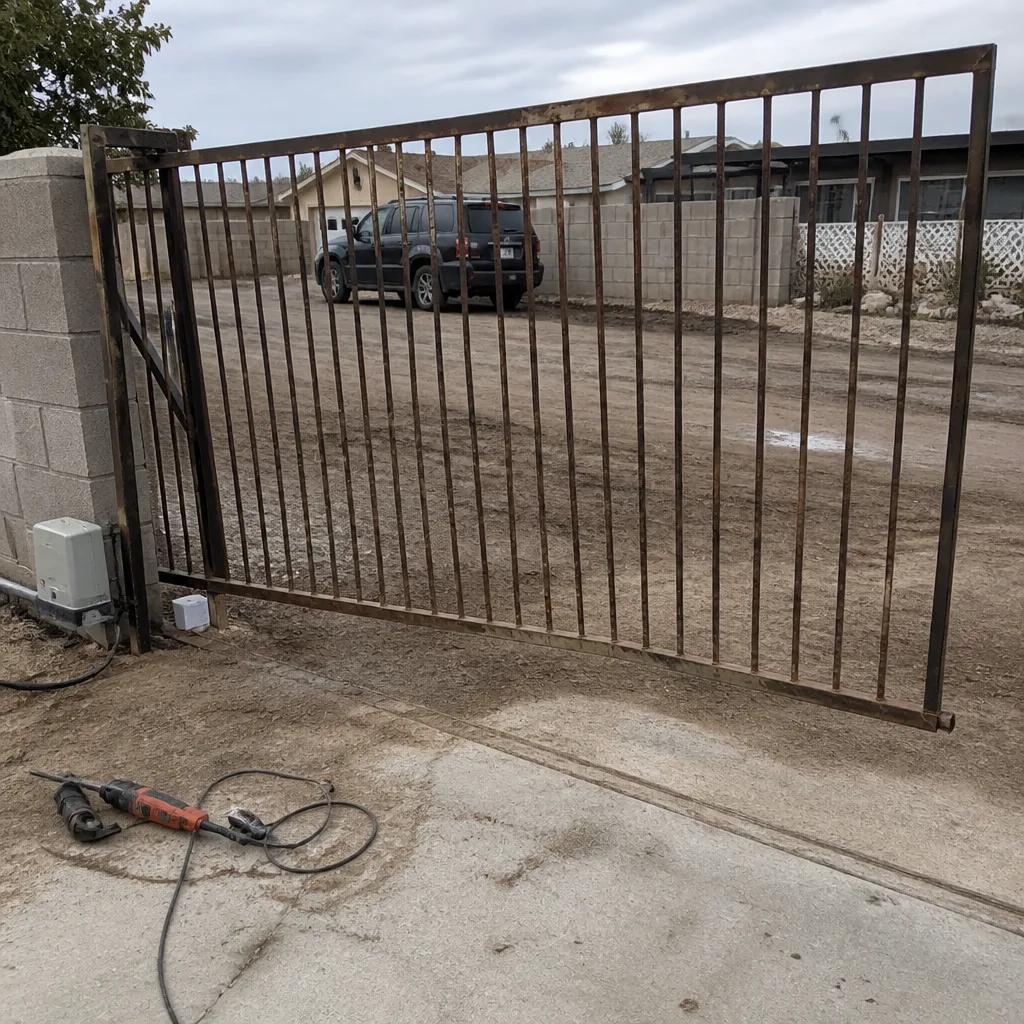 Before
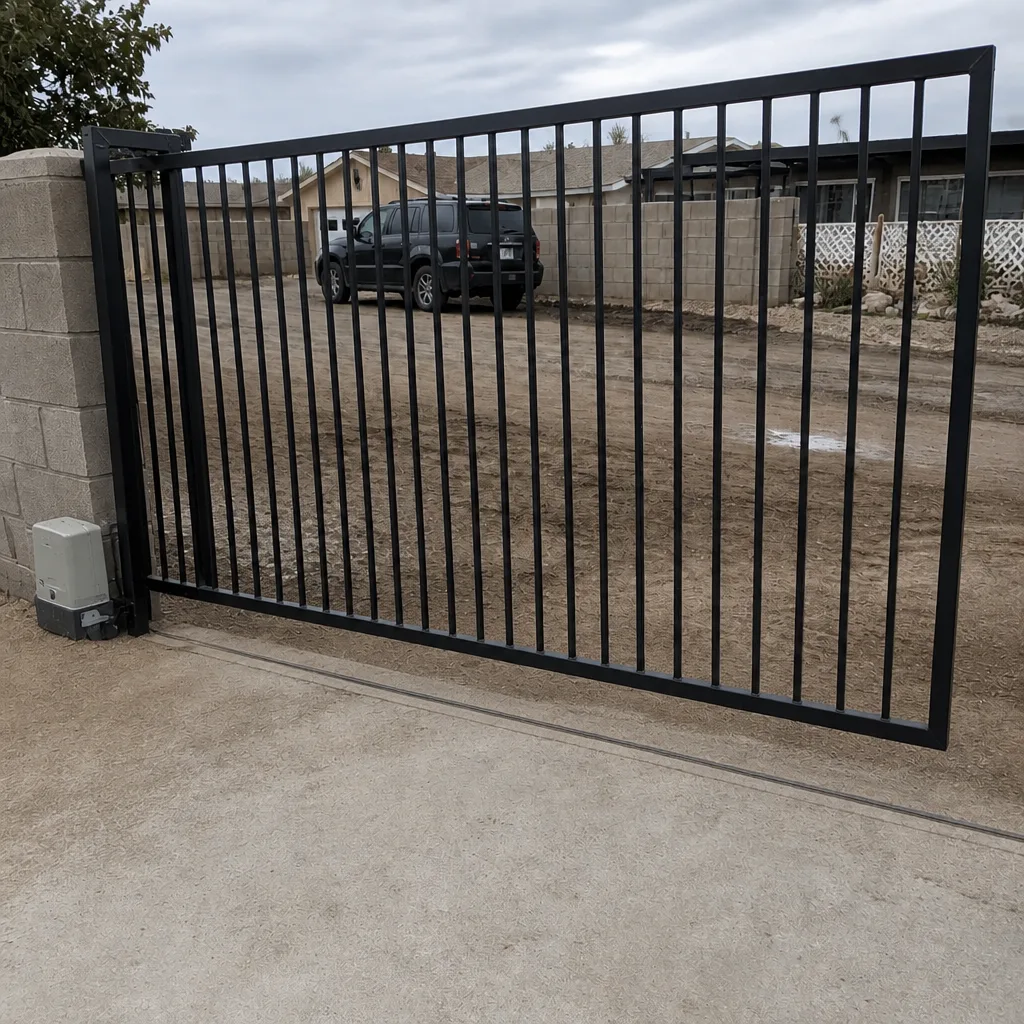 After
When to Call a Professional
Call us if you haven’t serviced a newly installed gate since it went in, if the gate has started making noise or running slow, or if you never received the maintenance schedule that should have come with the install. Call us if the gate doesn’t fully close or doesn’t reverse on contact – those are safety issues and shouldn’t wait for the next scheduled visit. And call us if you’re moving into a home with a gate and don’t know its service history; a first inspection is the best way to find out.
Ironworks Gate Co. Winchester offers free estimates in Winchester – call (866) 984-8340. There’s a live person on the phone 24 hours a day, 7 days a week, so a call after the shops close still reaches someone who can help. Our technicians have up to 13 years of experience, and we work on nine major gate-automation brands, so an install gone quiet or a new install with no schedule is a call we’re set up to handle.
Frequently Asked Questions
Between 60 and 90 days of operation. That’s the break-in lubrication service, and it’s the single most important visit in the gate’s life because it catches the early settling before wear begins. Missing it is one of the leading causes of premature chain and drive-gear wear, and the damage usually shows up at year two rather than year one. If you don’t know whether it’s been done, call for a free second opinion on any written estimate – (866) 984-8340.
Three visits: the break-in service at 60 to 90 days, a full inspection at six months, and a tune-up at the one-year mark. After that, the schedule moves to twice a year, once in spring and once in fall. The seasonal timing matters in Winchester because the temperature swings between summer heat and winter nights move metal and pull hardware twice a year.
Sometimes, yes. Many gate operator warranties require documentation that scheduled maintenance happened, and a warranty claim can be denied without that record, even for a genuine defect. Keep a maintenance log with dates, work performed, and who did it. Our $89 seasonal tune-up visit includes updating that log for you.
Look for a gate that stops closing flush, a clunking hinge, a quarter-inch of post tilt over six months, or rust blooming along a weld line. Those are the first signals of a settling footing or a stressed weld. A first-year inspection catches all of them before they require structural repair. If you see any of those signs between visits, call us – the earlier the better.
Yes. We service gates regardless of who installed them, and we’re trained on nine major automation brands, including FAAC, BFT, Linear, and Viking. The one thing you should know: if a gate was professionally installed and never registered or serviced, part of our first visit is sorting out what was missed. That’s the free second opinion offer at work.
It covers every job we complete. If something we did isn’t right, we come back and make it right, with no paperwork and no arguing – it’s written, and it’s the Keystone Standard on every gate job. That includes the first-year schedule we set you on, so if you’re not sure whether a visit is needed, call and ask.
The Bottom Line
The first year of a new gate’s life is the highest-risk year, and the risk has nothing to do with the quality of the install. It’s the missing maintenance schedule. Break-in at 60 to 90 days, inspection at six months, tune-up at one year, then spring and fall for the life of the gate. Register the warranty, keep the maintenance log, and watch the footing and welds during that first year. If you’re in Winchester and you don’t have a schedule yet, that’s the one thing to fix first. A gate that’s maintained correctly is a gate you stop thinking about – which is the whole point.
Ready to get your new gate on a proper maintenance schedule, or not sure whether the break-in service was ever done? Call Ironworks Gate Co. at (866) 984-8340 for a free estimate. Our gate specialists will assess the gate, check the warranty documentation, and set you up on a schedule that keeps the job done right – and backed in writing. Start at our Ironworks Gate Co. Winchester home page, or call any time; someone answers 24 hours a day, 7 days a week.
Written by the team at Ironworks Gate Co. Winchester.