
Last updated November 18, 2026
 Wrought iron
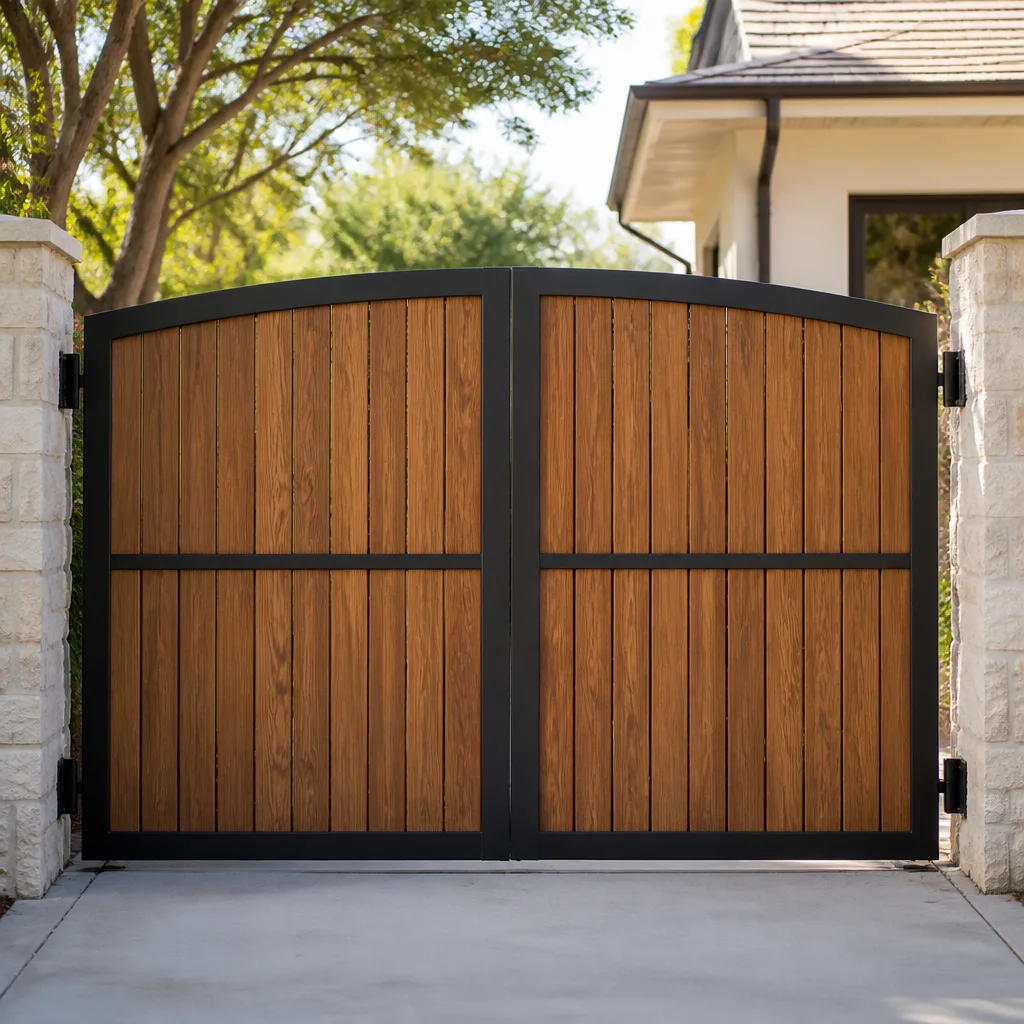 Wood & steel frame
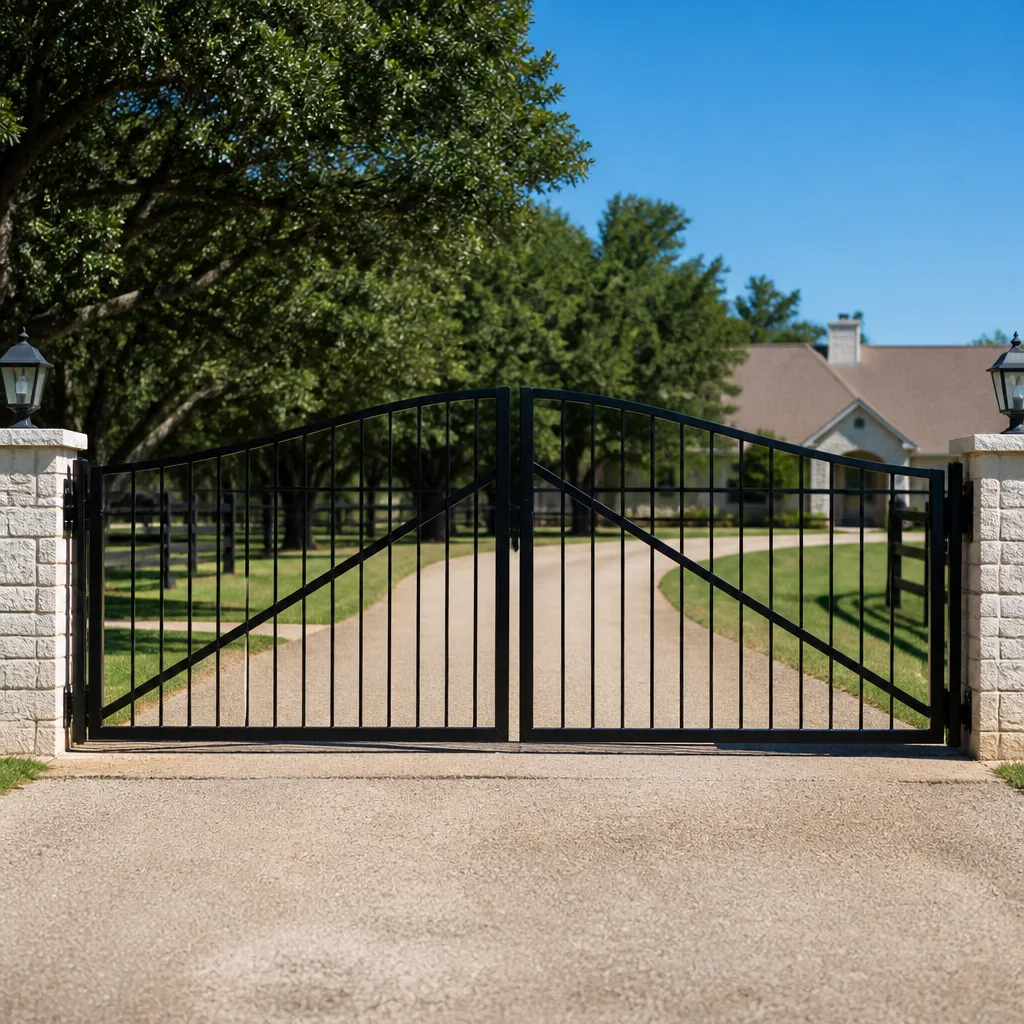 Farm & ranch
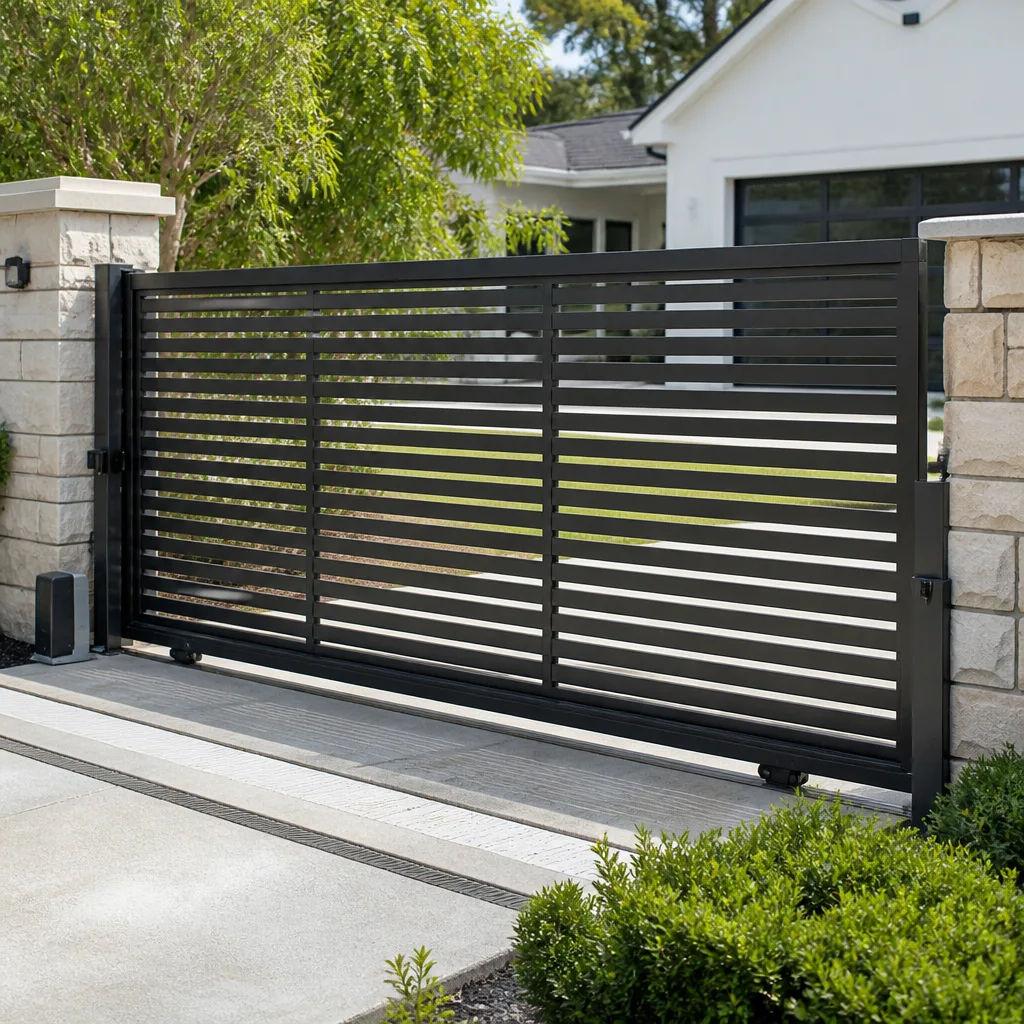 Sliding driveway gates
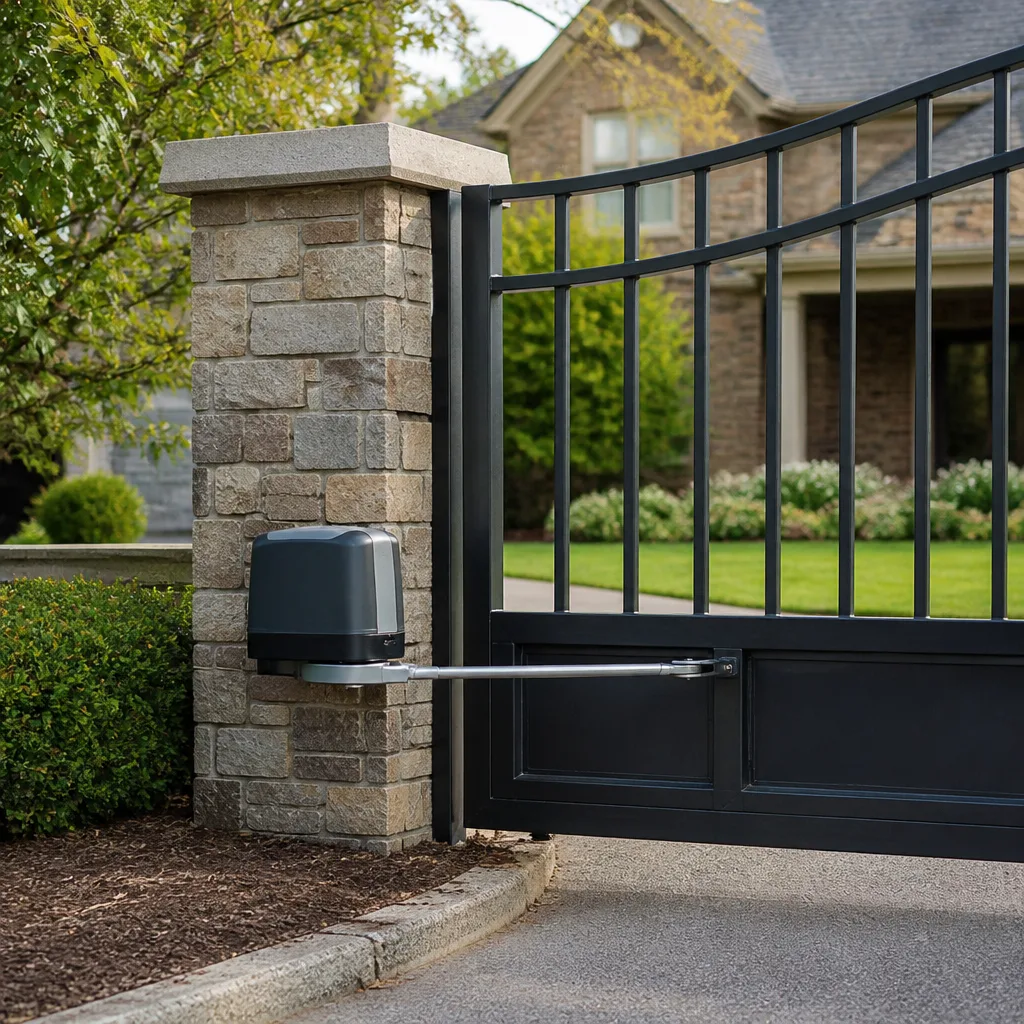 LiftMaster operators
Free on-site gate assessment - hinges, posts, and your LiftMaster or Nice gate operator checked before anything is quoted
The assessment is free and the quote is the invoice.
Get your free estimateGate Access Control Warning Signs Every Homeowner Should Know
A gate that pauses for two seconds before it moves isn’t “just slow.” In our experience across Winchester, that pause is usually a control board running a fault loop, and six to eight weeks later that same board often stops responding entirely. The trouble is the signals start small: a keypad that works on the second try, a fob that needs to be closer than usual, a gate that hesitates just slightly before it swings. Homeowners read those as quirks. They’re not quirks. They’re a diagnostic language, and this guide teaches you to read it, with each symptom mapped to its likely cause.
Quick Answer
The most reliable warning signs of an access control failure are intermittent fob or keypad response, a gate that hesitates before moving, error codes or beeping at the control board, a safety sensor that triggers when nothing is blocking it, and a gate that works “most of the time.” A gate that fails only occasionally is the most urgent service call on the list, not the least, because fault accumulation means partial failures turn into full failures without warning.
Styles & brands we work with
- Wrought iron
- Wood & steel frame
- Farm & ranch
- Sliding driveway gates
- LiftMaster operators
Table of Contents
- The Five Behavioral Changes That Signal Control Board Failure
- Why Intermittent Fob Range Loss Rarely Means Bad Batteries
- What Your Opener’s Error Codes Actually Mean in Plain Language
- Safety Sensor Warning vs. Motor Warning: Telling Them Apart
- Why “Works Fine Most of the Time” Is the Most Urgent Call
- A Six-Point Checklist for Your Gate This Season
The Five Behavioral Changes That Signal Control Board Failure
Control boards rarely die all at once. They degrade through a recognizable sequence, and the order matters as much as the symptoms. When we service a gate in Winchester, this is the pattern we look for:
- A slight hesitation before movement. The gate pauses a second or two after you press the button. This is almost always the board’s capacitors or logic running a slow startup check. It’s the earliest and most ignored sign.
- Interrupted cycles. The gate starts, stops, then restarts before completing its arc. The board is losing track of the position encoder, and it’s re-learning where the gate is.
- Random direction reversal. The gate begins closing when you asked it to open, or moves a few inches the wrong way first. This is a fault in the board’s directional logic, not a mechanical problem.
- Beeping at the control box. A board that chirps or beeps without an incoming signal is reporting an internal fault. Many homeowners assume this is a battery backup issue, but the beep pattern tells you which subsystem is failing.
- Complete lockout with no warning. The final stage. The board stops responding to any input at all. By this point, you’ve had weeks of partial signals you may have dismissed.
The sequencing matters because a gate in stage one is a same-week repair. A gate in stage five is often an overnight emergency, and it’s much easier to source the right part when you aren’t in a hurry. Ironworks Gate Co. Winchester is trained on nine automation brands, including Linear, Viking, and DoorKing, so the correct board or component is identified on the first visit rather than guessed at over three.
Why Intermittent Fob Range Loss Rarely Means Bad Batteries
When a fob stops working reliably, the first thing most homeowners do is replace its battery. We understand why. It’s cheap, it’s immediate, and it feels like an easy fix. But in our experience, this is the wasted step. Intermittent fob range loss, where the fob works from three feet one day and thirty feet the next, is almost always a receiver antenna problem at the gate operator, not a fob problem at your hand.
Here’s the difference in plain terms. A weak fob battery fails consistently: short range, every time, progressively worse. A failing receiver antenna fails intermittently: fine one day, nothing the next, then fine again. If the failure is intermittent and shared by a second fob, it’s the receiver. Antenna lead connections loosen, weather corrodes the antenna terminal, or the receiver’s shrink-wrapped module begins drifting in sensitivity as the seasons turn.
Winchester’s spring winds and summer dust are hard on gate hardware, and antennas fail more often in the late spring when the change in temperature stresses the terminal connection. When you’ve replaced a fob battery and the range is still short, the next logical step is testing a second fob. If both are weak, stop replacing batteries and have the receiver tested.
- Fob battery failing: short range consistently and progressively worse.
- Receiver antenna failing: intermittent range, shared across multiple fobs.
- Board failing: fobs only respond after pressing multiple times or waiting for a reset.
This matters because replacing the battery ten times won’t repair the receiver, and every day spent on fob batteries is a day the antenna is one step closer to complete failure.
What Your Opener’s Error Codes Actually Mean in Plain Language
Error codes on gate automation brands are written for installers, not homeowners. They’re a string of letters and numbers that only make sense with a codebook. Here’s the translation. The behavior categories map across operators, even when the literal codes differ:
- One blink or a single short beep: the board can’t verify the gate’s position. Usually a failing limit switch or encoder, not the board itself.
- Two blinks: the safety sensor circuit is blocked or the edges are misaligned. Check for anything in the photo-eye line first.
- Three blinks: the motor has drawn more current than expected. Causes range from mechanical binding in the track to a motor nearing end of life.
- Four blinks: a command conflict. The board is receiving two inputs at once, or the fob and the keypad are both firing. This is often a wiring issue, not a user error.
- Continuous beeping: battery backup or a system fault the board cannot clear. This one stops a gate from responding entirely.
Across LiftMaster, FAAC, BFT, Linear, Viking, Ghost Controls, DoorKing, Elite, and Mighty Mule, the blinking-light language varies, but the categories of fault hold steady. A gate that blinks twice is almost always a sensor issue. A gate that blinks three times is almost always a mechanical load problem. Knowing the category is the diagnostic method that turns a service visit into a first-visit repair instead of a return trip.
If you’re in Winchester and your board is flashing a pattern you can’t decode, Gate Motor & Opener in Winchester covers our selection of parts and support across all nine brands. It’s a way to save yourself the guesswork.
Safety Sensor Warning vs. Motor Warning: Telling Them Apart
Here is the piece of data most homeowners miss. A safety sensor warning and a motor warning can produce identical visible symptoms. In both cases, the gate reverses mid-travel or refuses to close. The gate looks like it’s behaving the same way in both failures, but the cause and the repair are completely different.
The distinguishing factor is when the failure appears. A safety sensor fault occurs on the return journey: the gate opens fine, then reverses on closing. That’s because the photo-eye beam is being interrupted, often by a small object that shouldn’t be there. A motor fault occurs on the opening journey: the gate struggles, hesitates, or reverses in the open direction. That means mechanical resistance or low motor amperage.
Do not reach into a moving gate to feel for the difference. Gate motors generate hundreds of pounds of force, and a closing gate is one of the most dangerous moving objects on your property. If a gate is reversing unpredictably, stop using the operator and have a technician test it. A brief check that is safe: look at the safety sensor lens for dirt, cobwebs, or a misaligned bracket. That’s a visible problem. Beyond that, the diagnosis belongs to someone with the tools to measure amperage and test the receiver without putting hands in the travel path.
The Gate Repair in Winchester page covers the safety sensor and motor diagnostics we run on every service call. If you have a gate reversing unexpectedly in Winchester, have it looked at before you use the operator again.
Why “Works Fine Most of the Time” Is the Most Urgent Call
“It works fine most of the time” sounds like a low-priority problem. The gate is 95% reliable, so why call a professional? But fault accumulation, a principle we consider the most important thing to understand about gate automation, says the opposite. Every fault a control board logs but clears is a fault that stays logged. The board’s error history fills up. It starts ignoring inputs. It stops being able to distinguish a real command from a spurious one. Eventually the accumulation tips it into the final failure stage.
A gate that’s 95% reliable today is a gate that’s 60% reliable three months from now and 0% reliable the following month. The accumulation curve is not linear. It accelerates. We’re not warning you to make a sale. We’re telling you what a diagnostic scan reveals. We’ve seen boards that skip a keypad input twice a week for two months and then fail entirely in a single Saturday afternoon.
Winchester summers put gate hardware through a specific stress cycle: hot afternoons that heat the control box to well over 100°F and cool nights that bring it back down. Thermal cycling is what accelerates board degradation. That’s why an intermittent failure in May often becomes a full failure by July.
The Ironworks Gate Co. Winchester home page is a good place to understand our full scope if you’ve been putting off a diagnostic call due to an intermittent symptom. We make the fault pattern visible, and a written quote before we start means no surprises on the bill.
A Six-Point Checklist for Your Gate This Season
Here’s a short inspection you can run safely, in about ten minutes, without touching the gate’s travel path. It’s the same diagnostic order we follow on a Winchester service call:
- Listen before you press. Stand near the control box and listen for a short chirp or hum before the gate moves. Any sound means the board is running a startup sequence, which is normal. A repeating beep is not.
- Count the blink sequence. Open the gate twice and count the blinks or flashes on the board. Note the number. A different number each time is the finding, not the number itself.
- Test both fobs from the same distance. Stand twenty feet back, press one, then the other. If both are weak, the receiver is the fault. If one is fine, it’s the fob.
- Walk the photo-eye line. Look for dirt on the sensor lenses, a leaning sensor bracket, or small debris. Clean what you can reach.
- Check the keypad’s response time. Enter the code once and time the delay before the gate moves. A second or two delay is normal. Five seconds or more is a board in a fault loop.
- Feel the ground track. Run a hand along the track for gravel, leaves, or a raised seam. Mechanical drag reads as a motor fault and masks itself as a board failure.
If steps two through five turn up anything repeatable, you’ve got a diagnostic lead. The good news is that most of these are single-visit repairs, and a same-day call can be scheduled before a small fault becomes an emergency.
Common Mistakes to Avoid
- Replacing fob batteries first. It’s the case where the cheapest fix is the least likely fix. Test a second fob before touching the battery.
- Confusing an intermittent symptom with an “okay” gate. A gate that works 95% of the time is a gate in the fault accumulation stage. Treat it as urgent, not minor.
- Ignoring a beeping control box. A beep is a message from the board, and the pattern is diagnostic. Don’t silence the gate; schedule the scan.
- Trying to test amperage with a multimeter from the driveway. This is the one mistake with real injury risk. Gate motors are not DIY equipment, and the travel path should stay clear while a technician measures current.
- Blaming the keypad for a board fault. If a keypad works after three tries, it’s usually the board not hearing the keypad, not the keypad failing. Replacing the keypad is wasted money.
- Waiting for the Winchester summer to break. Board failure accelerates in heat. If your gate has been showing signs since spring, don’t wait for cooler weather to call. Schedule a diagnostic before a holiday week, when service calls spike.
- Skipping the seasonal tune-up. Track debris, loose photo-eye brackets, and antenna corrosion all show up during the spring inspection, and they stay inexpensive when caught then. Our $89 Seasonal Tune-Up is designed for exactly this.
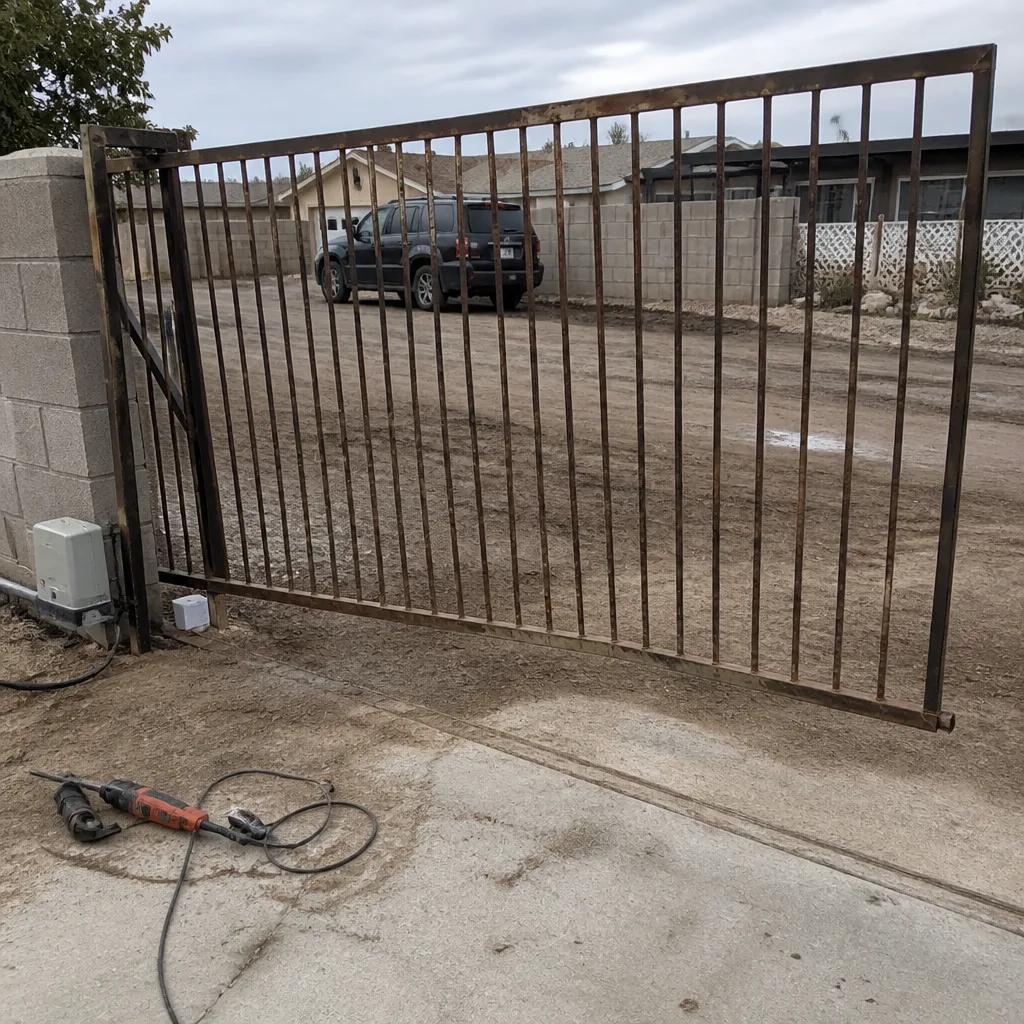
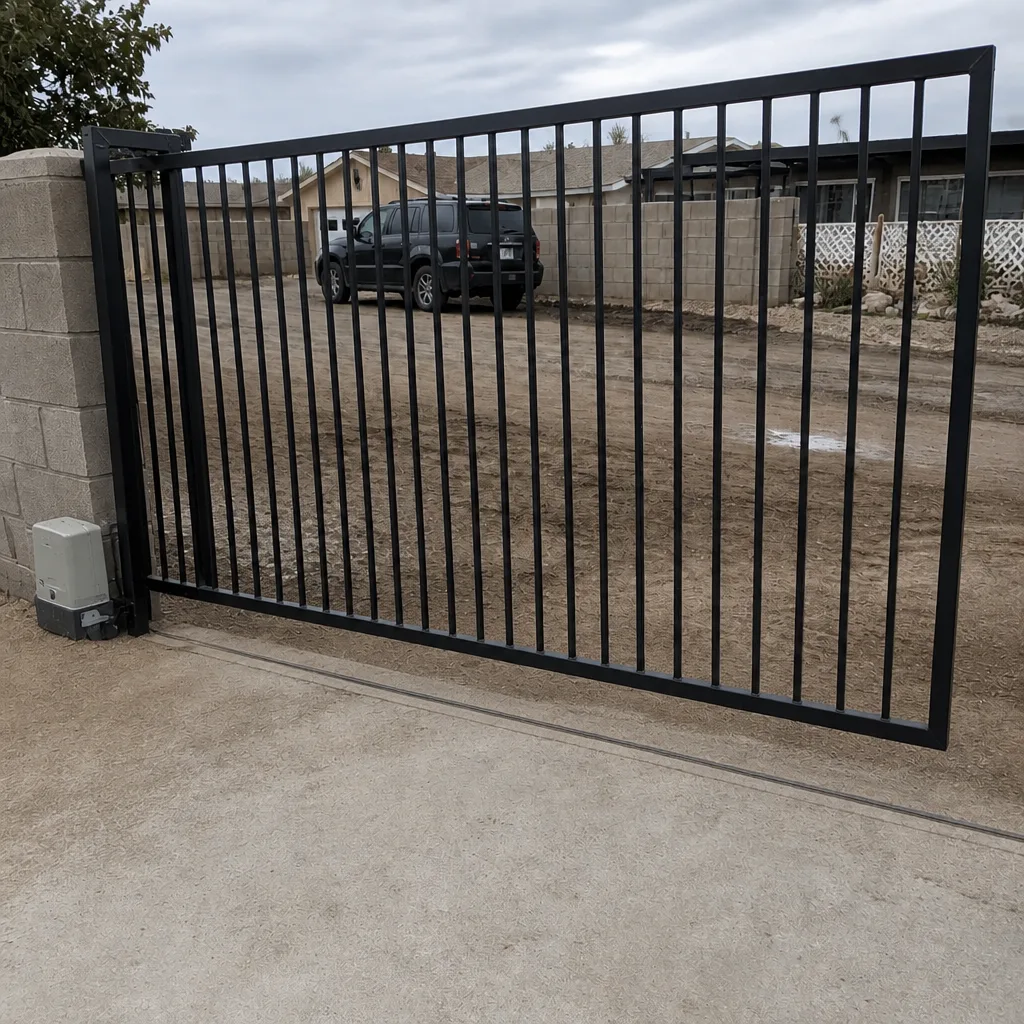
See the difference
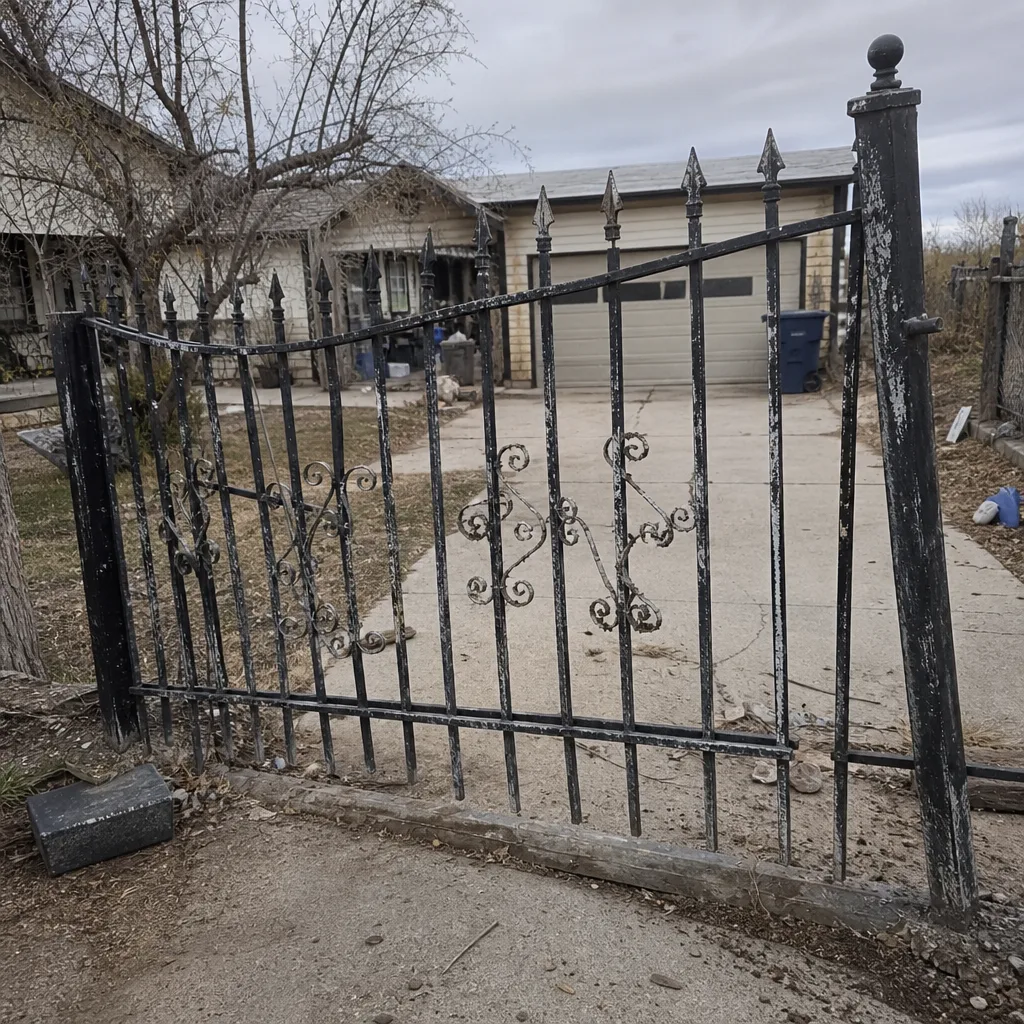 Before
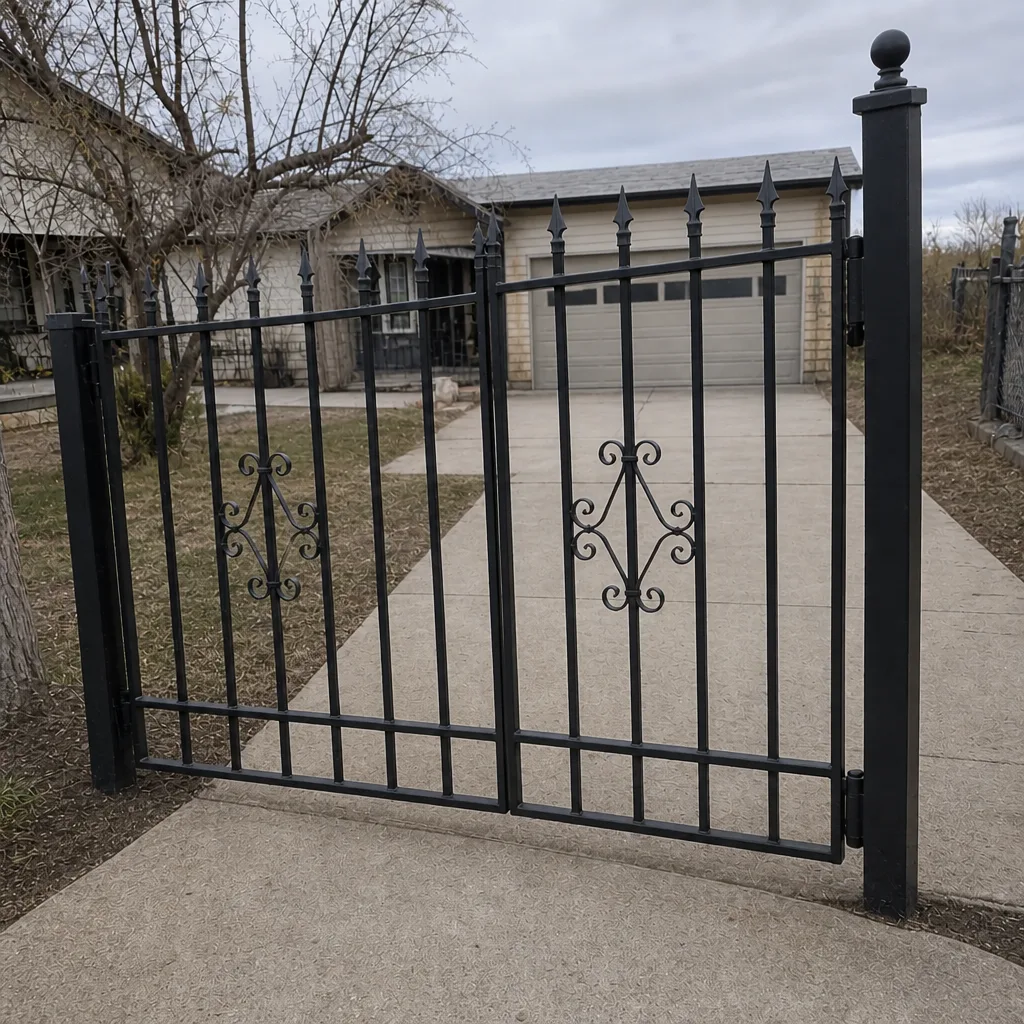 After
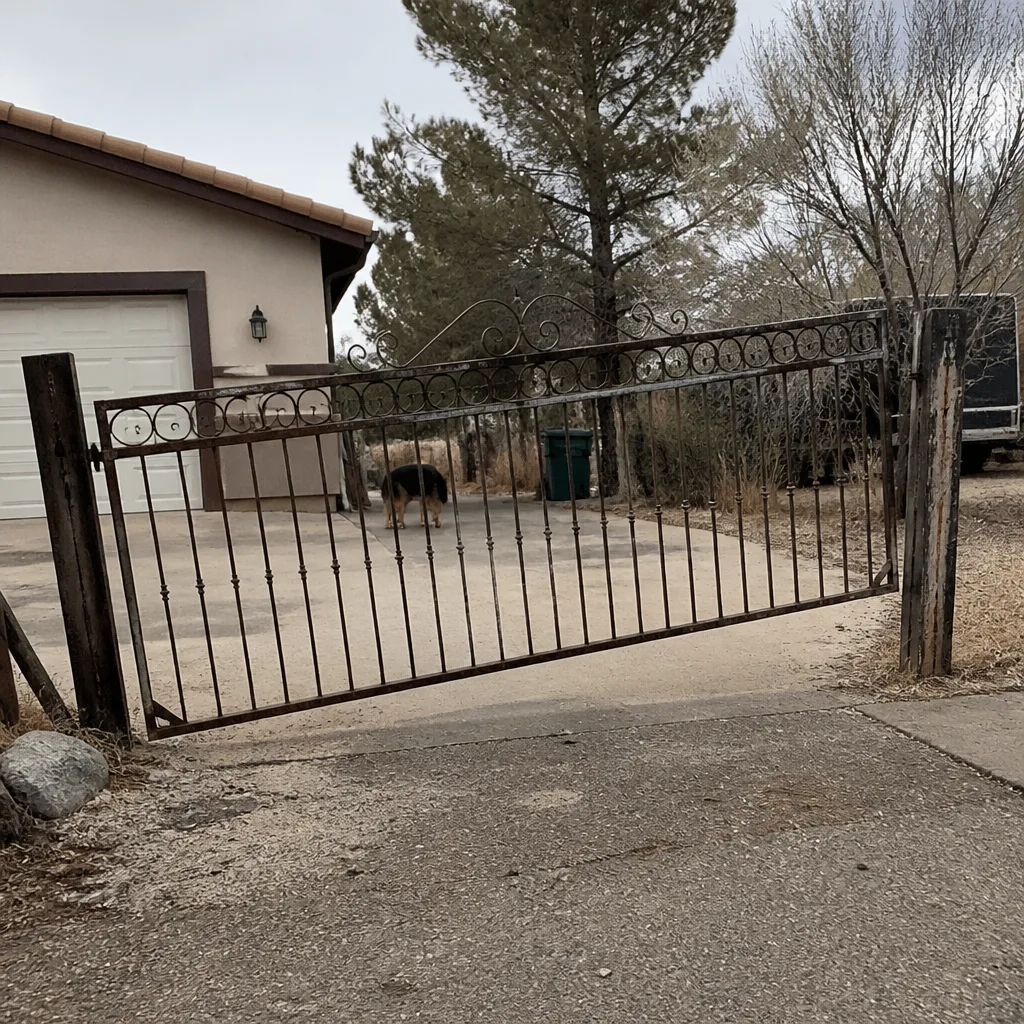 Before
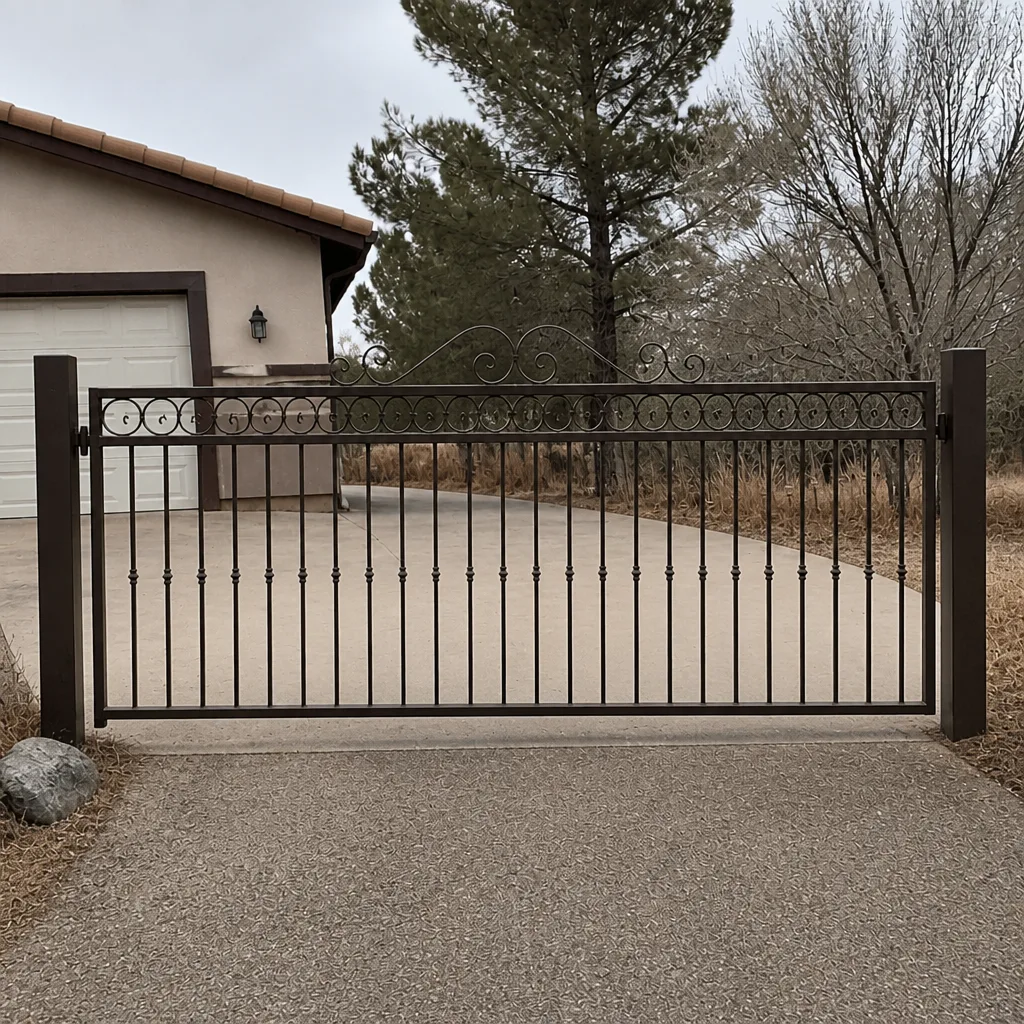 After
 Before
 After
When to Call a Professional
Call a professional if your gate has any of the following: a repeating blink or beep pattern, a fob that works intermittently, a keypad that responds after two or more tries, a gate that reverses unpredictably, or a control board that has stopped responding entirely. If you have a safety sensor that’s been dirty or misaligned and you can’t clear the fault by cleaning it, that’s also a service call. Do not attempt to test or adjust a board’s amperage or limit switches yourself. Gate motors apply force that can injure you, and the diagnostic tools aren’t household equipment. Ironworks Gate Co. Winchester offers free estimates in Winchester and a live person answers the phone 24 hours a day, so you aren’t leaving a voicemail and waiting. Call (866) 984-8340 for an exact quote.
Frequently Asked Questions
The clearest sign is a combination of hesitation before movement, an intermittent blink or beep at the board, and a fob or keypad that responds less reliably than it used to. If all three appear and the gate still “works most of the time,” it’s in the fault accumulation stage and is closer to a full failure than it appears. Call (866) 984-8340 for a diagnostic visit, and we’ll tell you what the board is reporting.
Intermittent operation almost always means a fault being logged and cleared rather than a start/stop switch problem. The board is detecting a fault condition, self-clearing, and resuming. Common causes are a failing position encoder, a loose antenna lead, or a photo-eye line being interrupted by intermittent debris. In Winchester, our spring winds make the photo-eye fault the most common intermittent cause we see. Call (866) 984-8340 for a free estimate.
Yes. A board that beeps without an incoming signal is reporting an internal fault, and the blink or chirp count tells you which subsystem is failing. It’s not a battery check. It’s a fault code. Treat a beeping board as a same-week service call, not something to wait on. Call (866) 984-8340 to schedule a diagnostic.
It depends on the board’s age, brand, and the fault category. Position encoder faults are usually repairable. Repeated full-wipe faults on a board past its expected service life are usually a replacement decision. Most repairs are completed in a single visit, and we’ll walk you through the difference before we touch anything. Call (866) 984-8340 for a free second opinion on any written estimate.
Cost varies with the fault: a sensor or fob receiver repair is on the lower end, while a full control board replacement is on the higher end. Any repair over $250 qualifies for our $50 Off standing offer, and we will always quote and agree on a price before any work starts, so there’s no surprise on the bill. Call (866) 984-8340 for an exact quote. Estimates are free.
We’re trained and equipped on nine of the leading gate automation brands, including LiftMaster, FAAC, BFT, Linear, Viking, Ghost Controls, DoorKing, Elite, and Mighty Mule. If you aren’t sure of your brand, look at the control box label or the power unit housing the motor, and we can identify it on the first visit. Call (866) 984-8340 for a free estimate.
The Bottom Line
Access control systems tell you they’re failing weeks before they fail completely. The signals are behavioral: hesitation, intermittent response, beeping, and unexpected reversal. Those signals are not random, and they’re not “just a slow gate.” They map to specific causes, and the order in which they appear tells you how fast the board is degrading. The most urgent call is the gate that “works most of the time,” because fault accumulation is accelerating while the symptom stays quiet. For a Winchester homeowner, a diagnostic visit today is a smaller repair than an emergency call in July. The 90-Day Done Right Promise backs every job, and a written guarantee means no arguing if something needs a return visit. If you’d like a set of trained eyes on your access control, call (866) 984-8340 for a free estimate.
Written by the team at Ironworks Gate Co. Winchester.