
Last updated November 18, 2026
 Wrought iron
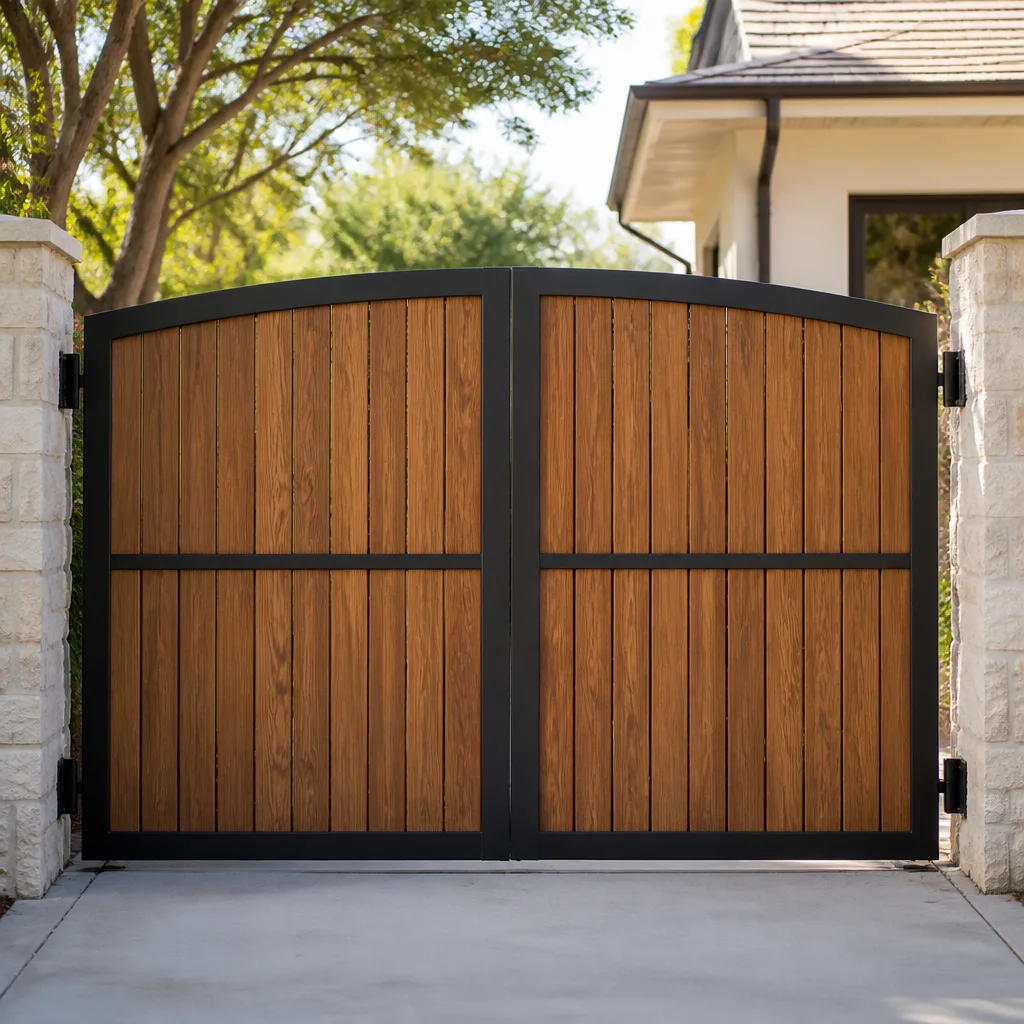 Wood & steel frame
 Farm & ranch
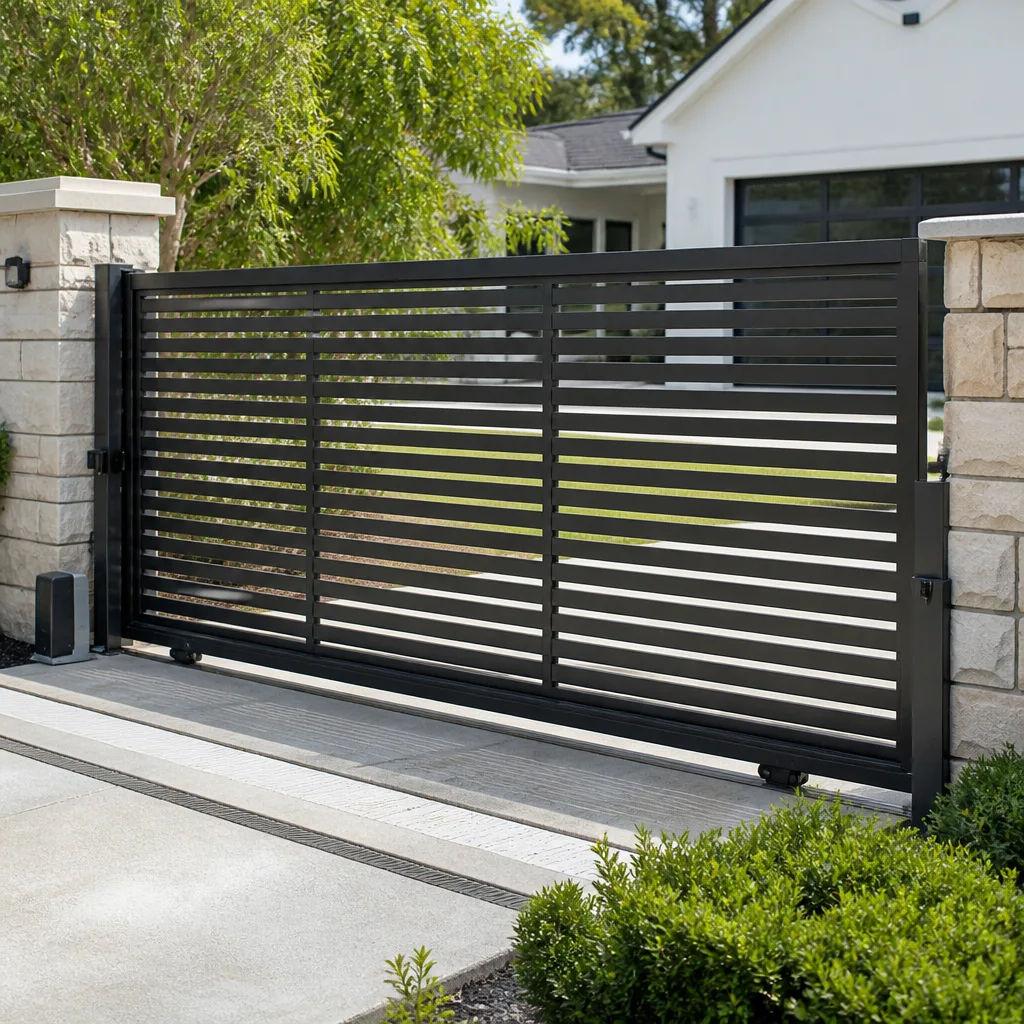 Sliding driveway gates
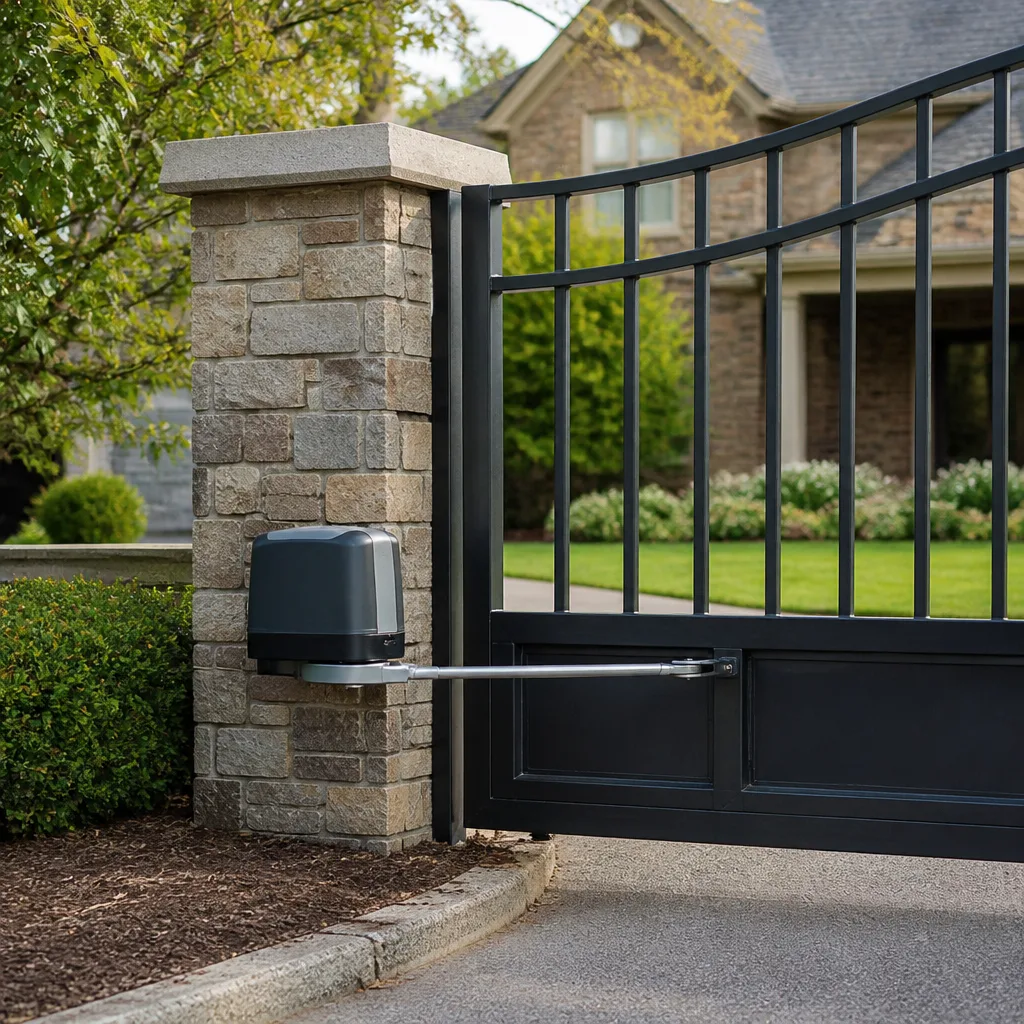 LiftMaster operators
Free on-site gate assessment - hinges, posts, and your LiftMaster or Nice gate operator checked before anything is quoted
The assessment is free and the quote is the invoice.
Get your free estimateSeasonal Gate Repair Care for Winchester: Year-Round Homeowner’s Guide
In Winchester, the month most likely to produce a gate failure call isn’t January. It’s October, when the first cold snap follows five months of extreme heat and the components that expanded all summer try to contract overnight. Most gate care guides are written for rust-and-freeze climates that don’t match what actually happens here. In Winchester, the damage cycle runs the other way: a punishing summer UV and heat load, then a sudden thermal contraction in winter that cracks coatings and loosens fasteners. This guide maps that cycle month by month so you can do preventive work before the expensive repair window opens, not after.
Quick Answer
Seasonal gate care in Winchester means treating summer heat as the primary stress event and the first fall cold snap as the moment damage surfaces. Gates and openers here face thermal expansion from May through September, then rapid overnight contraction in October and November that stresses welds, fasteners, and coatings. Inspect in early fall before the first freeze, manage opener duty cycles through the July and August heat, and check post ground moisture after winter overnight freezes.
Styles & brands we work with
- Wrought iron
- Wood & steel frame
- Farm & ranch
- Sliding driveway gates
- LiftMaster operators
Table of Contents
- The Winchester Thermal Stress Map: When Your Gate Works Hardest
- Summer Heat Above 105°F: What It Does to Openers and Duty Cycles
- The Fall Contraction Checklist: Before the First Cold Night
- Winter Overnight Freezes and Ground Moisture Around Posts
- Spring Inspection Priorities After the Thermal Cycle
- Coatings, Welds, and Fasteners: The Annual Care Routine
- Automation Care by Season: Keypads, Sensors, and Motors
- Neighborhood Notes: Care Differences Across Winchester
The Winchester Thermal Stress Map: When Your Gate Works Hardest
Your gate doesn’t experience stress evenly through the year. It builds through summer and releases in a matter of days each fall. Knowing which month each failure mode peaks lets you act before the damage, not after. Here’s how the thermal cycle actually plays out in Winchester:
- May and June: Expansion begins. Metal leaf frames and hinges start to move as daytime highs push past 95°F. Fasteners begin to work loose at the first sign of thermal movement.
- July and August: Peak load. Sustained temperatures above 105°F stress opener duty cycles and cause coatings to soften and microfracture. This is when hidden damage starts.
- September: The bridge month. Days stay hot; nights cool fast. Your gate is expanding by day and contracting by night – the widest daily swing of the year.
- October: The failure window. The first real cold snap arrives after months of expansion. Loose fasteners, stressed welds, and cracked coatings show themselves here. This is when most Winchester repair calls come in.
- November through February: Overnight freezes. Ground moisture around post bases freezes and thaws, and this is where subtle post movement starts.
- March and April: The reveal. After the thermal cycle completes, spring inspection shows what actually survived the year and what didn’t.
In our experience across Winchester, the calls that surprise homeowners most come in October – not because the cold did the damage, but because summer did and nobody was watching for the signs. A gate that was fine in August can rattle by Halloween. For the repair side of this, our Gate Repair in Winchester team handles the full range from a single loose hinge to a full automation rebuild.
Summer Heat Above 105°F: What It Does to Openers and Duty Cycles
Sustained heat above 105°F is where gate openers start to work against themselves. Every opener brand carries a duty cycle rating – the number of cycles per hour it can handle before the motor needs to cool. When ambient temperature climbs, that rating effectively shrinks. A motor rated for continuous operation in moderate weather is not the same motor at 108°F.
This matters most in Winchester because summer isn’t a few hot days – it’s a sustained load. If your gate cycles frequently (multiple cars, deliveries, kids coming and going), the opener is working near its thermal limit every afternoon. The brands we service most in Winchester – LiftMaster, Elite, and Mighty Mule among them – all have published duty cycles, and pushing past them in summer heat is the single most common cause of premature motor failure we see.
How to manage summer duty cycles proactively
- Know your opener’s rating. Look up the duty cycle for your specific model, not the brand in general. A commercial-grade unit and a residential unit of the same brand behave differently.
- Reduce unnecessary cycles in peak heat. If you can consolidate trips, do it during the hottest part of the afternoon.
- Check the motor housing for heat buildup. A motor that’s hot to the touch after light use in July is telling you something. If yours runs noticeably hotter than usual, have it looked at.
- Keep the operator area clear. Shade and airflow around the motor housing help it shed heat. Trim anything crowding the opener.
- Schedule a tune-up before summer, not during. An $89 Seasonal Tune-Up in spring catches duty-cycle issues before the heat exposes them.
Summer is also when a failing opener gives you the earliest warning sign: slow response, clicking, or a gate that reverses partway. If you’re seeing any of those, our Gate Motor & Opener in Winchester service can diagnose whether it’s heat stress, a worn component, or something else.
The Fall Contraction Checklist: Before the First Cold Night
October is the month to move. The work you do in early fall prevents the October failure call. Here’s the checklist we walk Winchester homeowners through before that first cold snap lands:
- Fasteners. Thermal expansion loosens bolts over the summer. Check every visible fastener on hinges, mounting brackets, and automation hardware. A quarter-turn on a hinge bolt now prevents a gate hanging wrong by November.
- Welds. Walk the full frame and inspect every weld joint for hairline cracks. Summer heat stress shows here first, especially at hinge welds and corner joints. If you find a crack, don’t paint over it – it needs proper welding repair.
- Automation mounting hardware. The bracket that holds your opener arm to the gate takes the full contraction load. Check its bolts and the mounting plate for movement.
- Coatings. Look for small cracks in paint or powder coat. A tiny crack now is a rust entry point after winter. Touch it up before the moisture arrives.
- Track and guide alignment. Contraction can shift the gate leaf just enough to bind on the track. Run the gate by hand and feel for resistance.
- Weather seals and sensor faces. Clean the safety sensor lenses and check that nothing has cracked through the summer.
The fall contraction checklist is the single highest-value maintenance hour you’ll spend all year in Winchester. It’s also the check that catches the difference between a loose bolt and a hidden weld failure – and those are two very different repairs. When a weld is involved, our Gate Installation in Winchester crew handles full structural work alongside new installs.
Winter Overnight Freezes and Ground Moisture Around Posts
Winchester doesn’t get much rain, so it’s tempting to think ground moisture isn’t a concern in winter. It is – just differently than in wetter climates. Here, overnight freezes affect the moisture that’s already in the soil around your gate posts. Even in a low-rainfall environment, irrigation runoff, occasional winter precipitation, and soil moisture held from the summer can freeze overnight and thaw by midday.
That freeze-and-thaw cycle at the post base is what causes posts to shift subtly over a winter. The concrete collar around the post expands when the moisture inside it freezes, then contracts. Repeat that a few dozen times across a winter and a post that was perfectly plumb in November can be leaning by March. This is the mechanism behind most above-ground post movement we see in Winchester – not wind, and not the gate itself.
- Check each post base for cracks in the concrete collar after the first freeze and again in spring.
- Look for soil separation around the post – a visible gap where soil has pulled away signals movement beneath.
- Watch the gate for sudden binding. A post that moved slightly will show up as a gate that suddenly rubs where it didn’t before.
- Keep irrigation runoff away from post bases through winter. Redirect any sprinkler overspray that wets the base.
If a post has shifted, the fix is usually a re-set or a bolt-on correction, not a full replacement. Catching it in February is far cheaper than discovering a leaning post in June, when the gate is loaded and the damage has compounded.
Spring Inspection Priorities After the Thermal Cycle
Spring is when the thermal cycle completes and shows you what survived. Winchester homeowners should inspect with a specific question in mind: is what I’m seeing normal wear, or is it the visible sign of hidden damage? Here’s how to tell the difference.
What’s normal in spring
- Slight seasonal adjustment in gate alignment – the gate may need a quarter-turn on a hinge bolt after the winter cycle.
- Minor surface rust on unpainted steel at weld areas – expected in a climate with thermal swings.
- Opener running at slightly different speed as lubricants thicken in cool mornings – usually resolves as temperatures rise.
What signals hidden damage
- A gate that has dropped on one side – a hinge or post failure underneath.
- Visible weld cracks anywhere on the frame or at hinge plates.
- The opener reversing, stopping mid-travel, or clicking – motor, sensor, or board issue that the winter exposed.
- Any post showing a lean, even slight. A plumb post doesn’t lean.
- Binding tracks or guides that weren’t binding last fall.
Spring inspection after a thermal cycle is the moment to book a repair while the scope is small. Our gate repair service in Winchester handles both the small corrections (fasteners, alignment) and the structural repairs (welds, hinge replacement, post re-set) in a single visit wherever possible.
Coatings, Welds, and Fasteners: The Annual Care Routine
The metal of your gate goes through a yearly expansion and contraction cycle that no amount of maintenance eliminates – it’s the nature of the material in a climate with wide seasonal temperature swings. What maintenance does is keep the small failures from becoming structural. Here’s the annual routine, in the order we recommend:
- Fasteners, spring and fall. Two checks a year, one before summer heat and one before fall contraction. Five minutes each with a socket wrench is time well spent.
- Coatings, fall. Inspect for cracks and touch up before winter moisture. Rust that starts in a hairline crack in November is a pitted weld by March.
- Weld inspection, spring. Full frame walk after the thermal cycle. This is where hidden damage surfaces.
- Hinge lubrication, twice a year. A dry hinge loads the gate leaf unevenly and accelerates wear at the other joints.
- Motor and automation check, spring and fall. Duty cycle, sensor alignment, and battery backup (if equipped) – each takes minutes, each matters.
Repeat the same routine for two or three years and you’ll notice that your gate stays flatter, closes more smoothly, and needs less correction each season. That’s why we book the $89 Seasonal Tune-Up as early as possible for Winchester homeowners who want to lock in this rhythm before the peak repair season fills.
Automation Care by Season: Keypads, Sensors, and Motors
The automation on your gate experiences the same thermal cycle as the metal, but the effects are different. Electronic components don’t loosen, they drift – and drift causes the small, maddening problems that never seem to resolve: the keypad that works in the morning but not at noon, the gate that stops one inch from fully closed on cold mornings, the safety sensor that triggers on a hot afternoon.
- Summer (July and August): Heat degrades sensor sensitivity and stresses the control board. If your gate is giving you phantom reversed cycles in summer, the first thing to check is the sensor alignment and cleanliness, not the motor.
- Fall (September and October): Clean sensor lenses before the first frost. A dirty lens on a cold morning reads as a blockage even when the path is clear.
- Winter (November through February): Battery backup systems (LiftMaster and DoorKing often include them) are tested hardest in cold weather. If your gate doesn’t open on the first button push on a cold morning, that’s the battery, not the motor.
- Spring (March through May): Full automation check – keypad battery, sensor alignment, motor duty cycle. Restores reliability before summer load begins.
We service nine major automation brands in Winchester, from LiftMaster residential openers to DoorKing access control. If your system is doing something the manual can’t explain, call us. We’ll tell you straight whether it’s a seasonal issue or a real fault.
Neighborhood Notes: Care Differences Across Winchester
Winchester’s gate care needs aren’t uniform. Homeowners in different parts of the city face slightly different seasonal pressures, and it’s worth knowing which applies to you.
In the older neighborhoods closer to downtown Winchester, gates often sit near mature trees and irrigation systems. The moisture profile is different, and post-base care matters more. Out toward the newer developments, gates tend to be newer installs with modern automation – the seasonal cycle is about duty cycle management and coating care more than structural post issues. If your property borders open desert on the windward side, dust is your coating’s enemy, and fall clean-and-inspect matters more than in sheltered parts of Winchester.
In our experience, the neighborhood with the highest summer failure rate is anywhere homeowners rely on a single slow-cycle opener for a high-traffic driveway. Those are the units that push duty cycle hardest in July and August, and those are the calls we get in September.
Common Mistakes to Avoid
- Ignoring the first thermal snap. The first cold night in October is your one main cue to inspect. Miss it and you’ll spend the rest of the winter dealing with what it exposed.
- Running the gate harder in summer heat. Extended cycles in 105°F plus afternoon heat is exactly the combination that trims years off opener life.
- Painting over a cracked weld. A hairline weld crack that gets painted is a weld failure waiting to happen. It needs to be welded, not covered.
- Assuming dry-climate means no winter moisture risk. Ground moisture from irrigation and vapor is enough to cause post movement in a Winchester winter. Post bases need checking even in a low-rainfall year.
- Confusing a post lean with a gate drop. A gate that’s dropped at the hinge is a different repair from a leaning post. Misdiagnosing the two is the most common cause of unnecessary cost.
- Skipping the spring sensor check. Safety sensors are the most temperature-sensitive component on the gate. A few minutes in spring saves a winter of phantom blockages.
- Ignoring the keypad battery. A dead keypad battery in a cold snap reads as “gate won’t open” and sends homeowners looking for a motor problem that isn’t there.
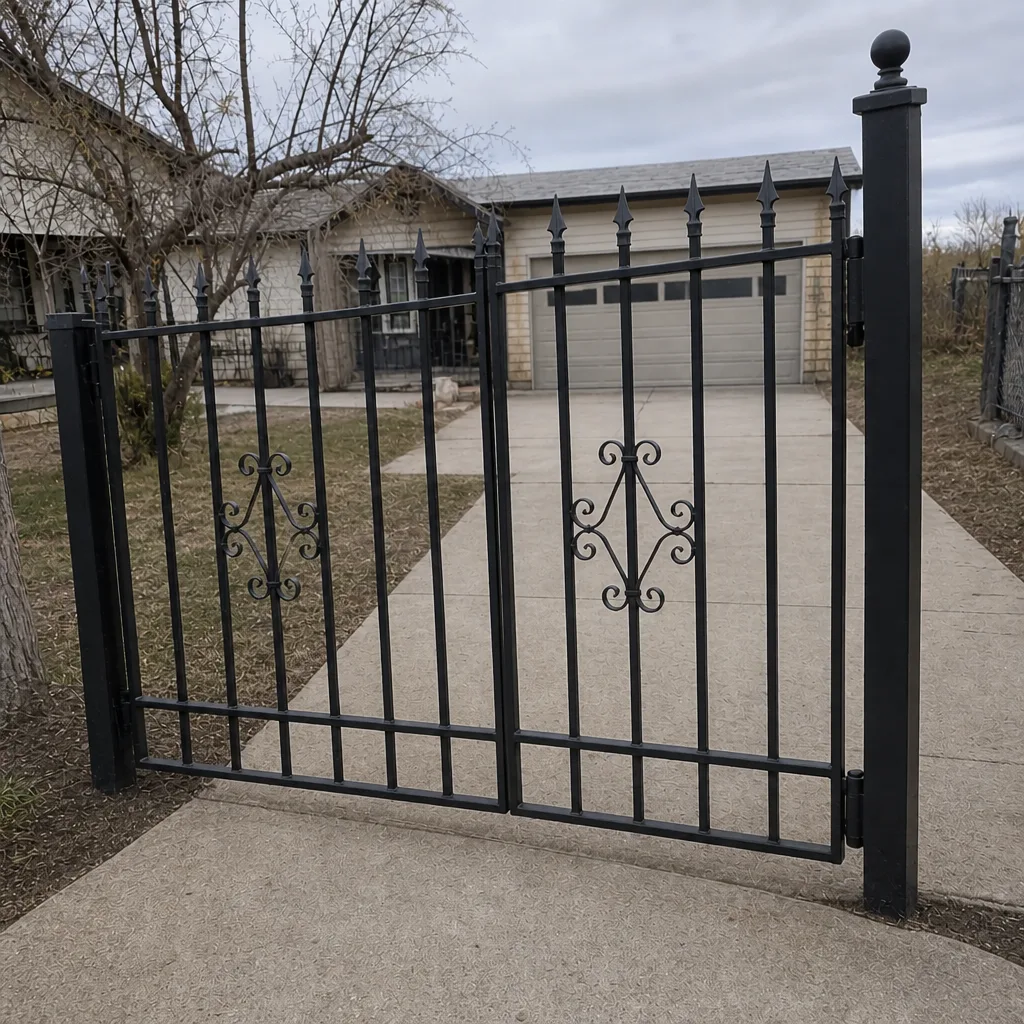
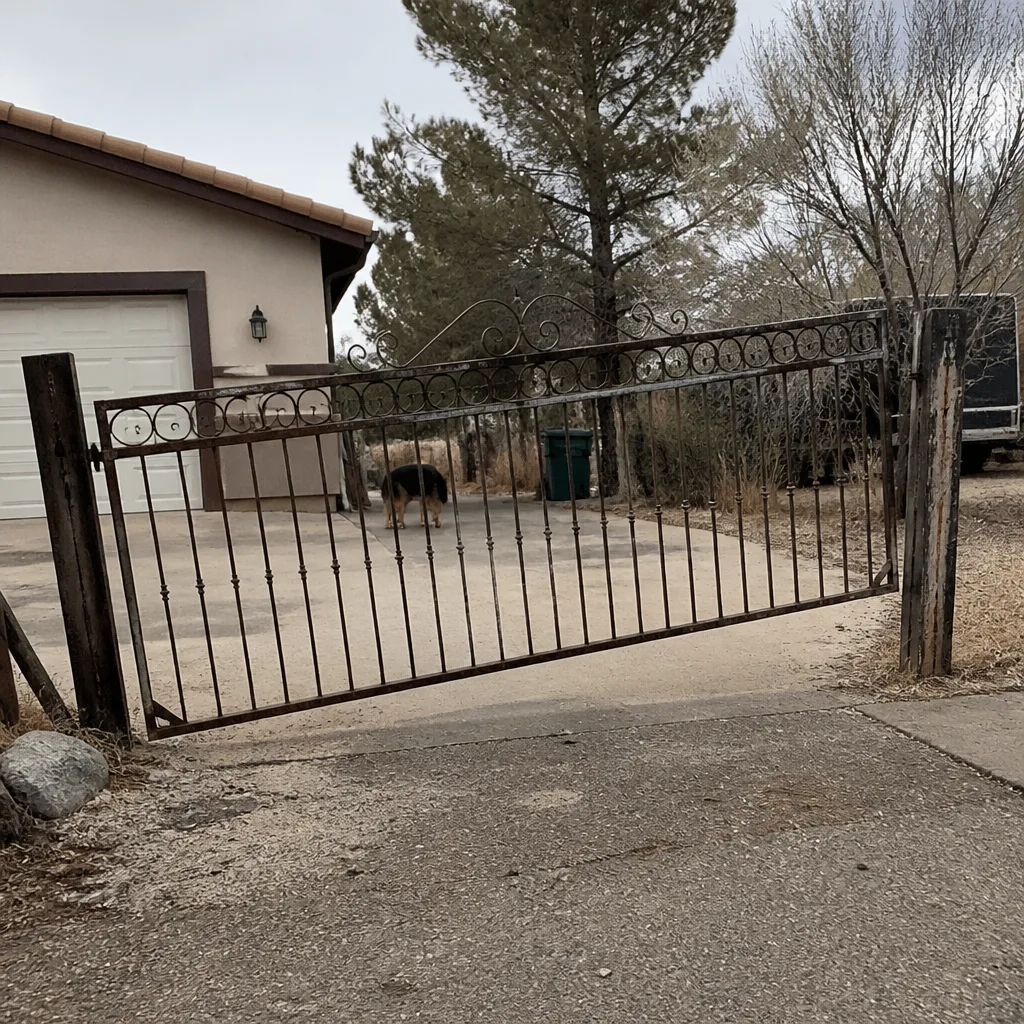
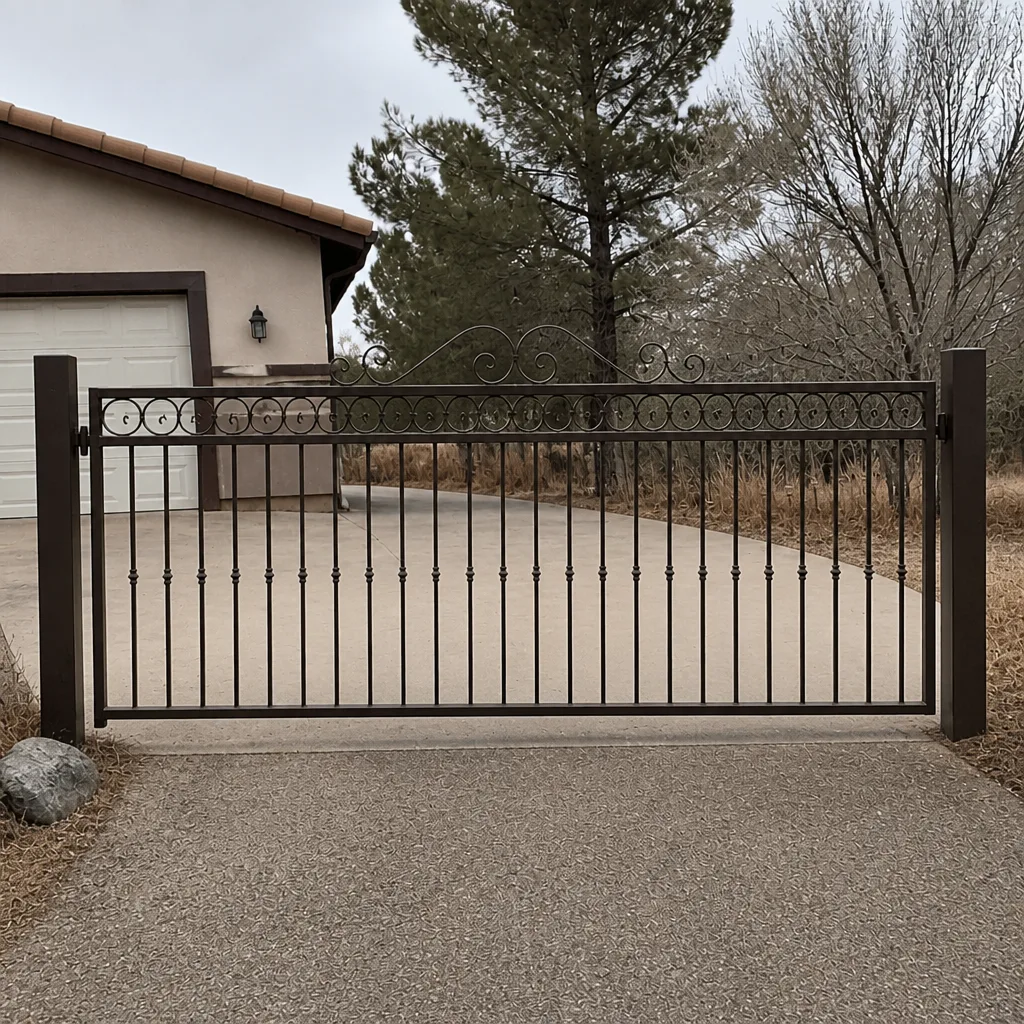
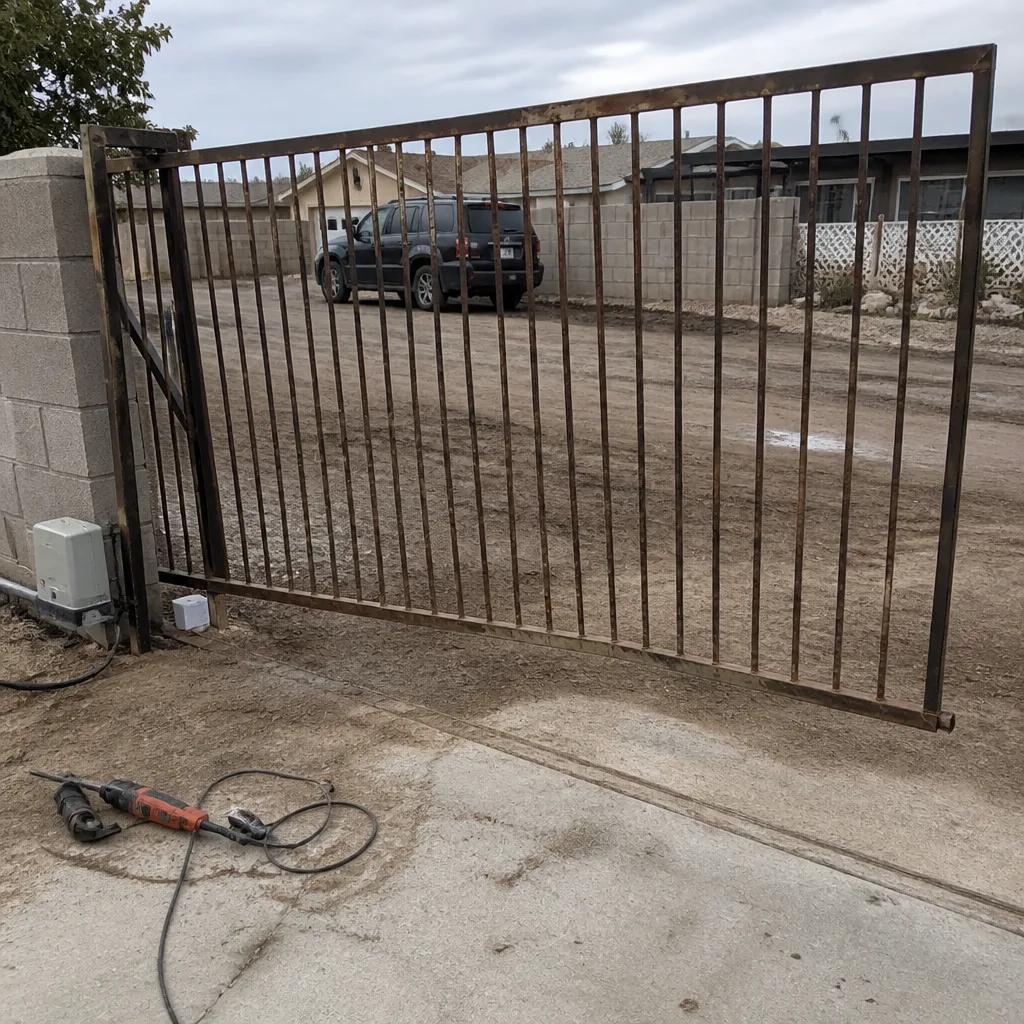
See the difference
 Before
 After
 Before
 After
 Before
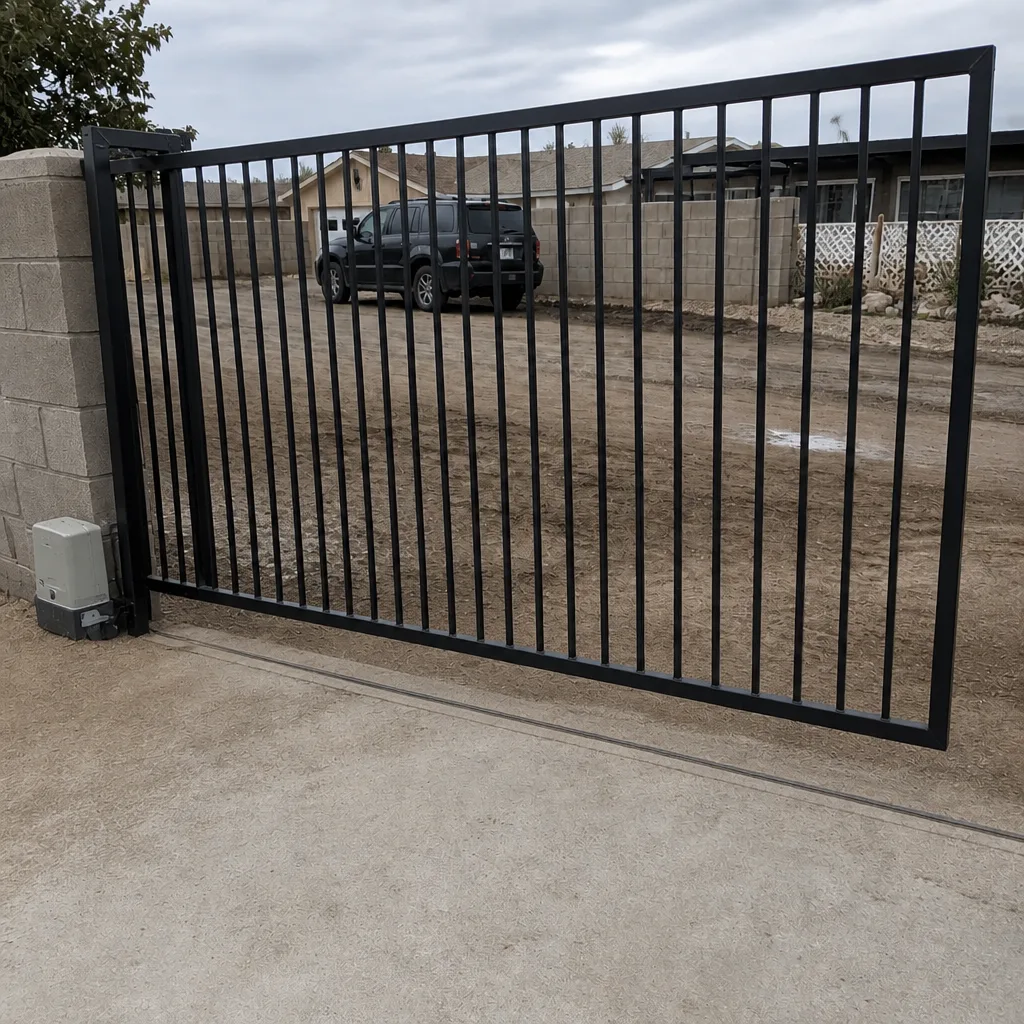 After
When to Call a Professional
Some seasonal care is a homeowner job: wiping sensor lenses, checking a keypad battery, watching for a gate that suddenly binds. But the moment the work involves a weld, a hinge at height, an opener that’s malfunctioning, or a post that’s moved, it belongs with a trained technician. Gate springs, hinges under load, and automation are genuinely dangerous components – a loaded gate leaf can swing with enough force to cause serious injury, and an opener that’s been misdiagnosed can fail mid-travel. We don’t recommend trying to correct those yourself. Ironworks Gate Co. Winchester offers free estimates in Winchester – call (866) 984-8340. Our technicians have up to 13 years of experience across the nine major automation brands, and every job is backed by the 90-Day Done Right Promise in writing.
Frequently Asked Questions
Twice a year, in spring and fall. Spring catches what the winter damaged; fall catches what the summer expanded and what the contraction is about to expose. Add a quick week-of check after the first cold snap, and you’re covering the full thermal cycle.
October. The first cold snap follows months of expansion, and loose fasteners, cracked coatings, and stressed welds surface all at once. If you haven’t inspected before that cold night, expect the following week to be busy.
Yes. Sustained temperatures above 105°F effectively reduce every opener’s duty cycle. A unit that’s rated for continuous cycling in moderate weather can overheat and fail at the same load in peak Winchester summer. Managing cycles and scheduling a spring tune-up before the heat starts is the fix.
Yes, especially in winter. Overnight freezes act on the moisture already present in the soil from irrigation and normal humidity, expanding the concrete collar around each post and pushing it out of plumb over a season. Check post bases after the first freeze and again in spring.
Normal wear is a slight seasonal adjustment in alignment that corrects with a hinge tweak. Hidden damage is a gate that’s dropped on one side, visible weld cracks, a leaning post, or an opener that’s behaving differently than last fall. If it’s the second category, have it looked at now.
Yes. We service the full scope from hinges and welds to openers and access control, and we’re trained on nine major automation brands including LiftMaster, DoorKing, Elite, and Mighty Mule. Most Winchester jobs are completed in a single visit, with the price agreed before work starts. Call (866) 984-8340 for a free estimate.
The Bottom Line
Winchester’s seasonal gate care runs on a specific rhythm: heat builds stress through summer, the fall cold snap exposes it, winter freezes work on post bases, and spring shows what survived. Do the fall inspection before the first cold night and the summer duty-cycle check before the first 105°F day, and you’ll catch nearly everything before it becomes a repair. If something fails despite that, the difference between a small fix and a large one is closer to a phone call than you’d think. We’ve been the gate specialist in this community for a long time, and we’re happy to look at whatever your gate is doing – no pressure, price settled upfront, and backed in writing.
Ready for a free estimate on your Winchester gate? Call (866) 984-8340 – a live person answers 24 hours a day, seven days a week. Visit our Ironworks Gate Co. Winchester home for the full scope of what we do.
Written by the team at Ironworks Gate Co. Winchester.