
 Wrought iron
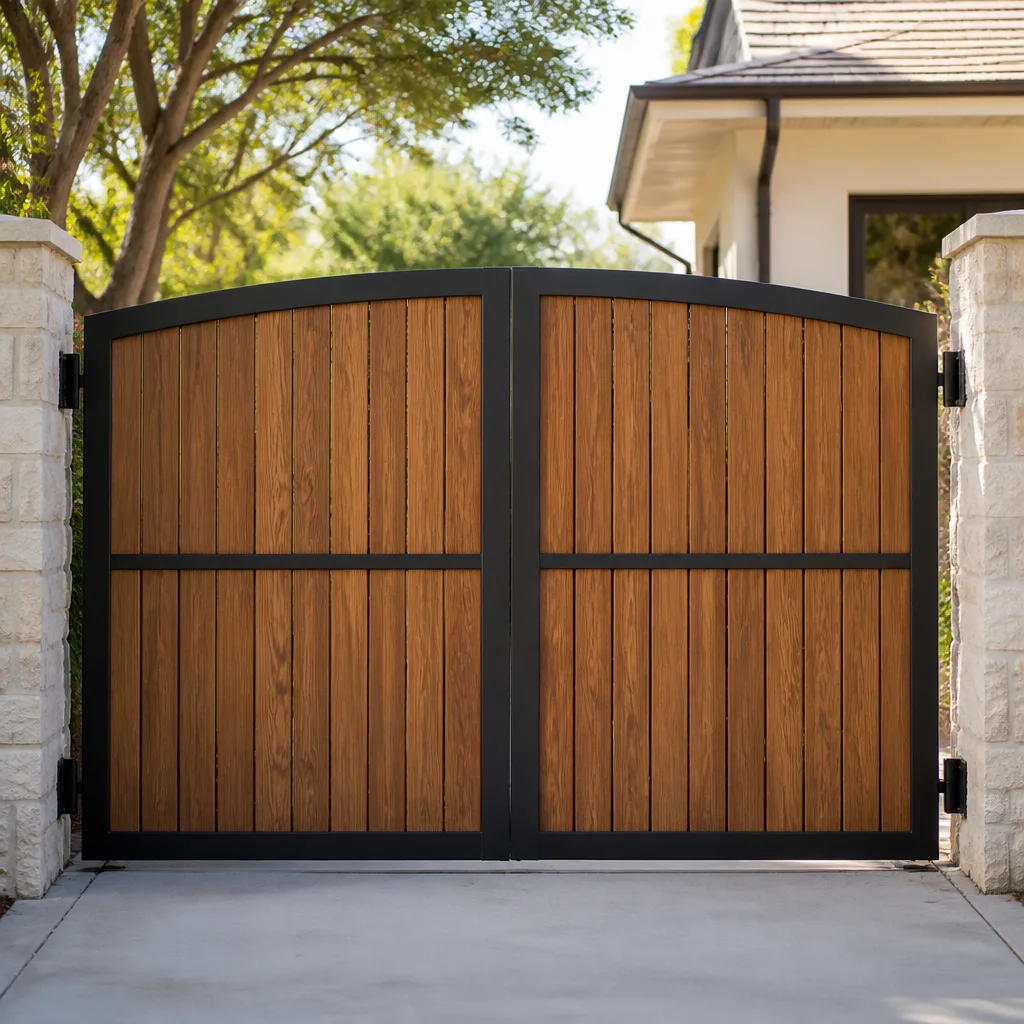 Wood & steel frame
 Farm & ranch
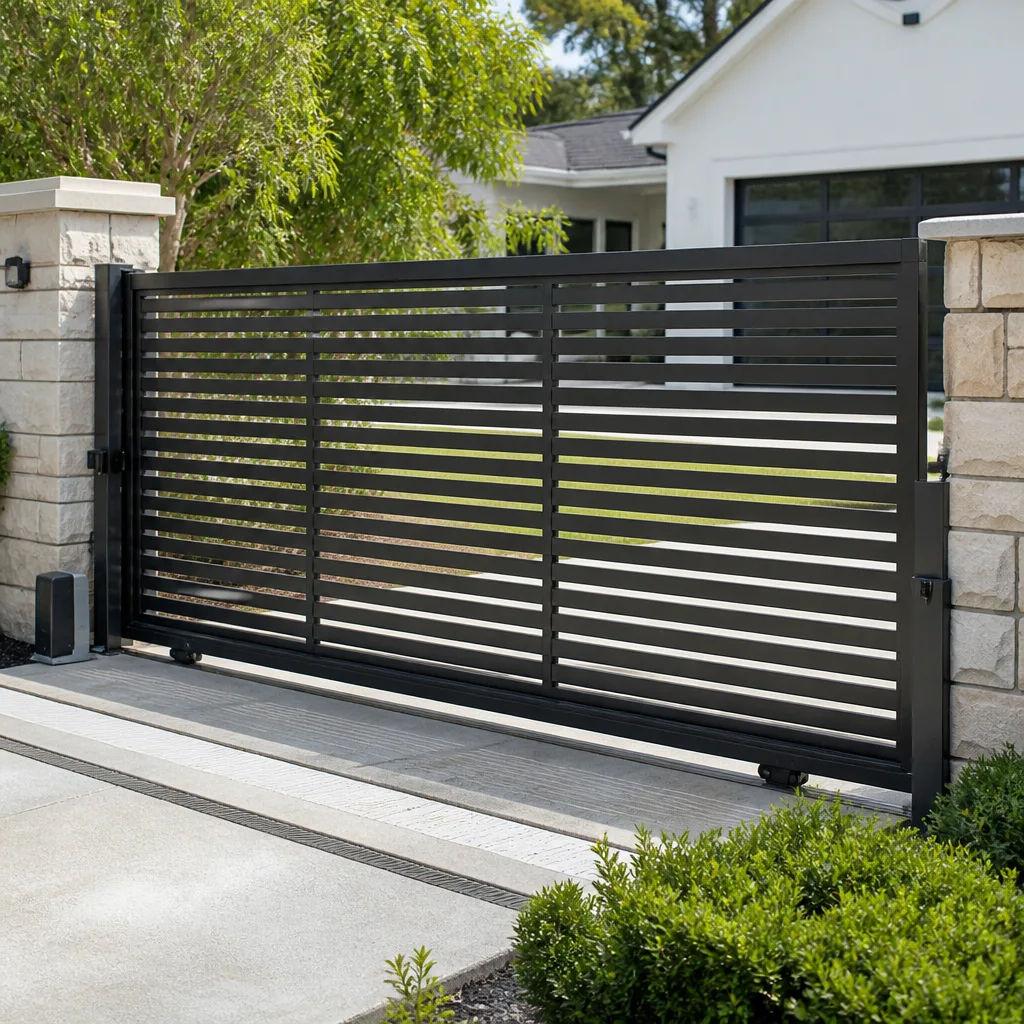 Sliding driveway gates
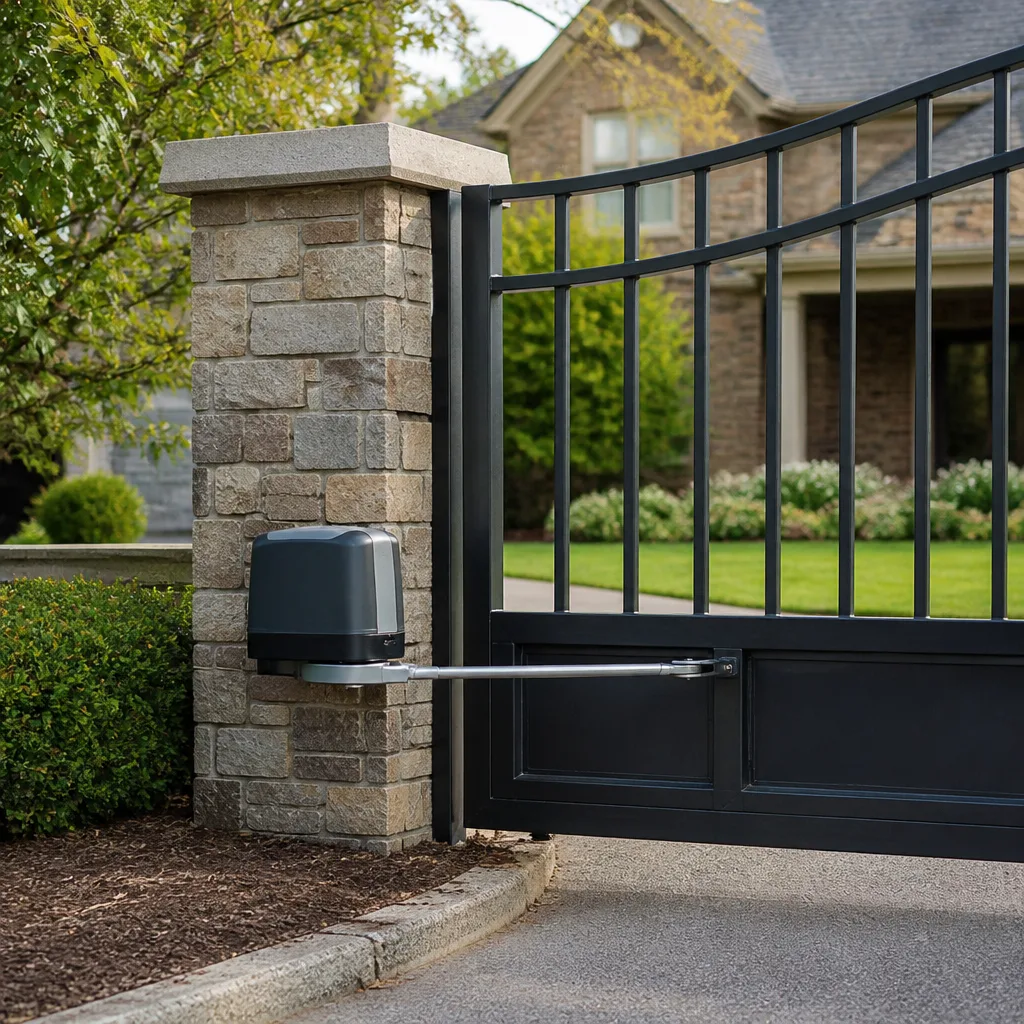 LiftMaster operators
Free on-site gate assessment - hinges, posts, and your LiftMaster or Nice gate operator checked before anything is quoted
The assessment is free and the quote is the invoice.
Get your free estimateStyles & brands we work with
- Wrought iron
- Wood & steel frame
- Farm & ranch
- Sliding driveway gates
- LiftMaster operators
See the difference
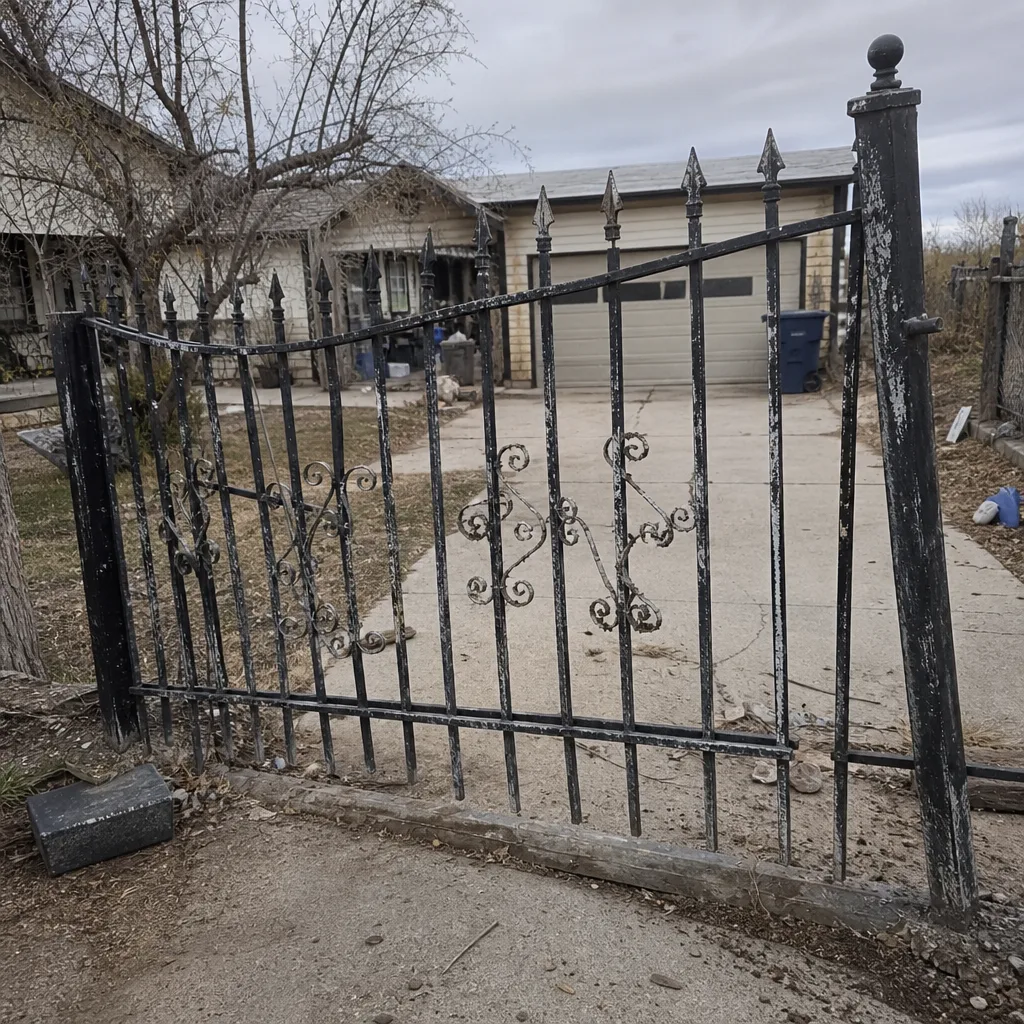 Before
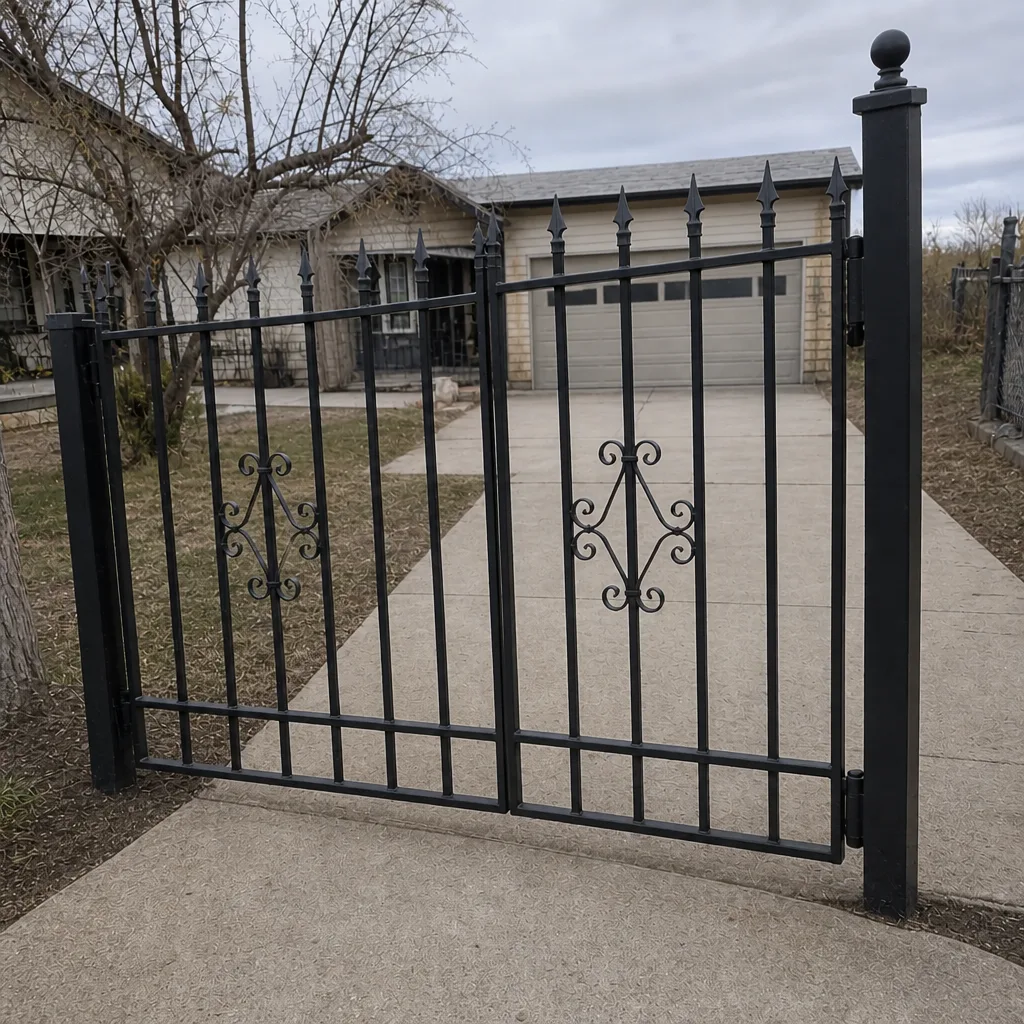 After
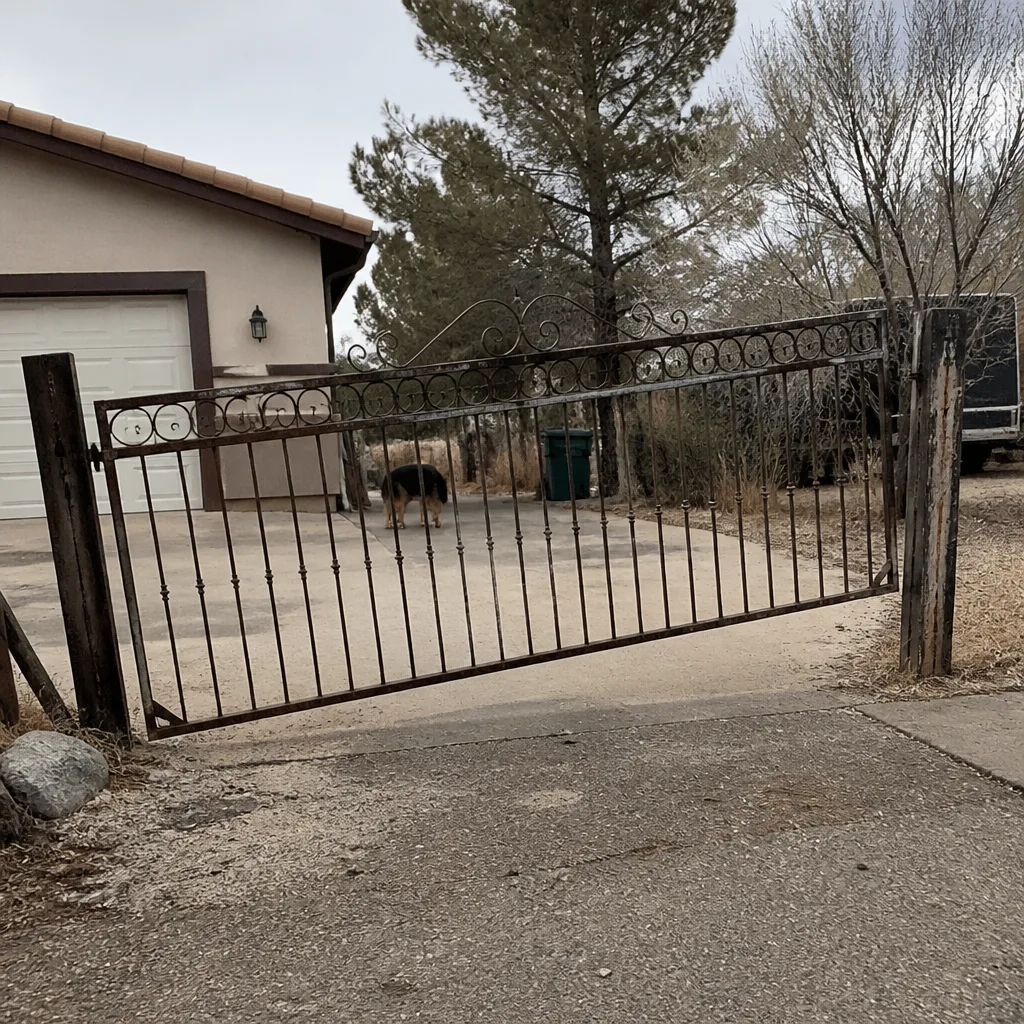 Before
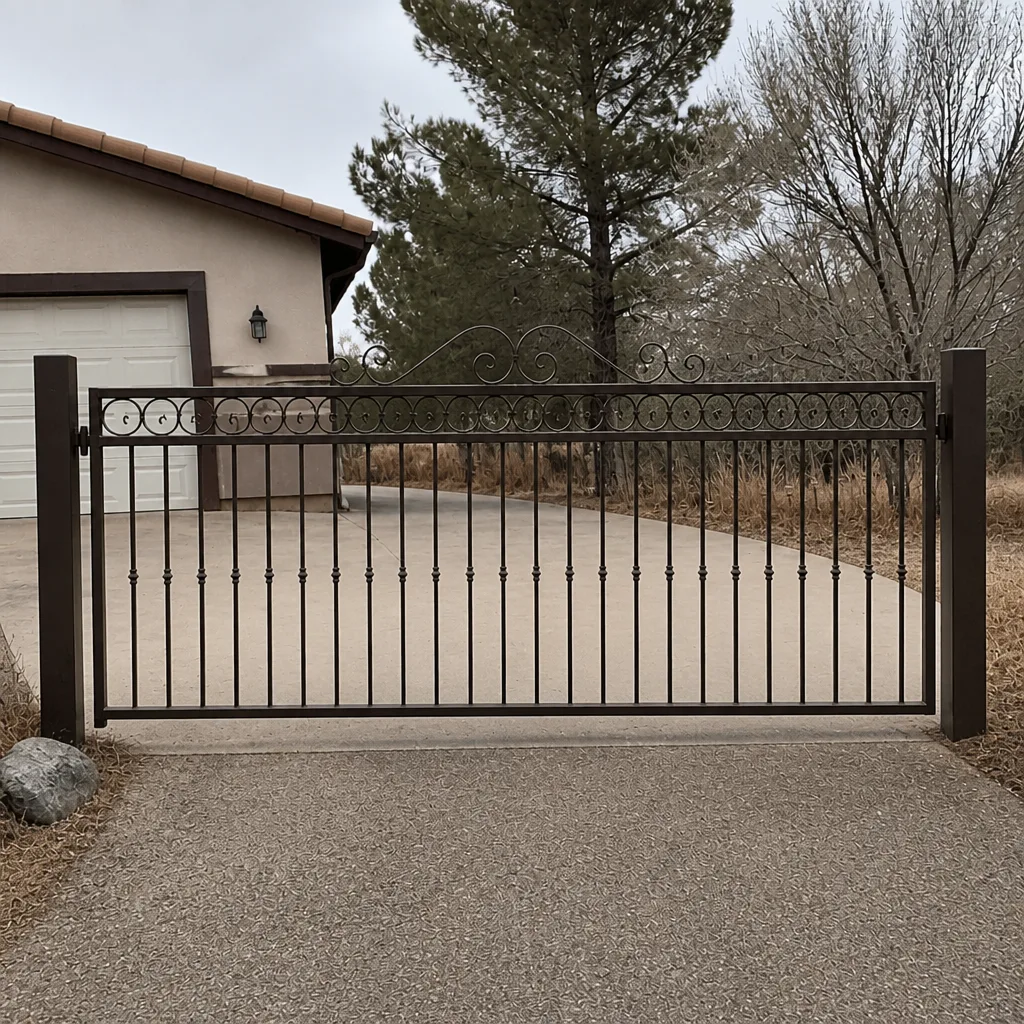 After
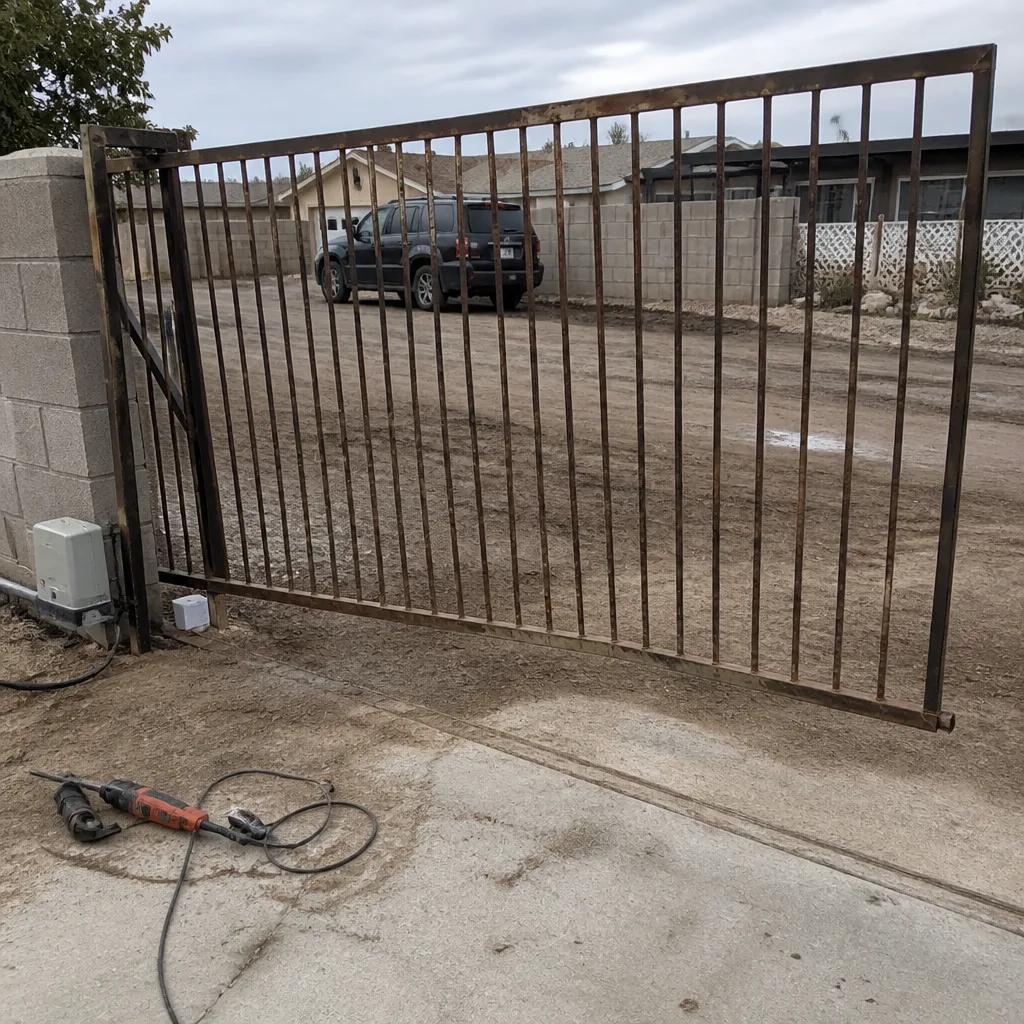 Before
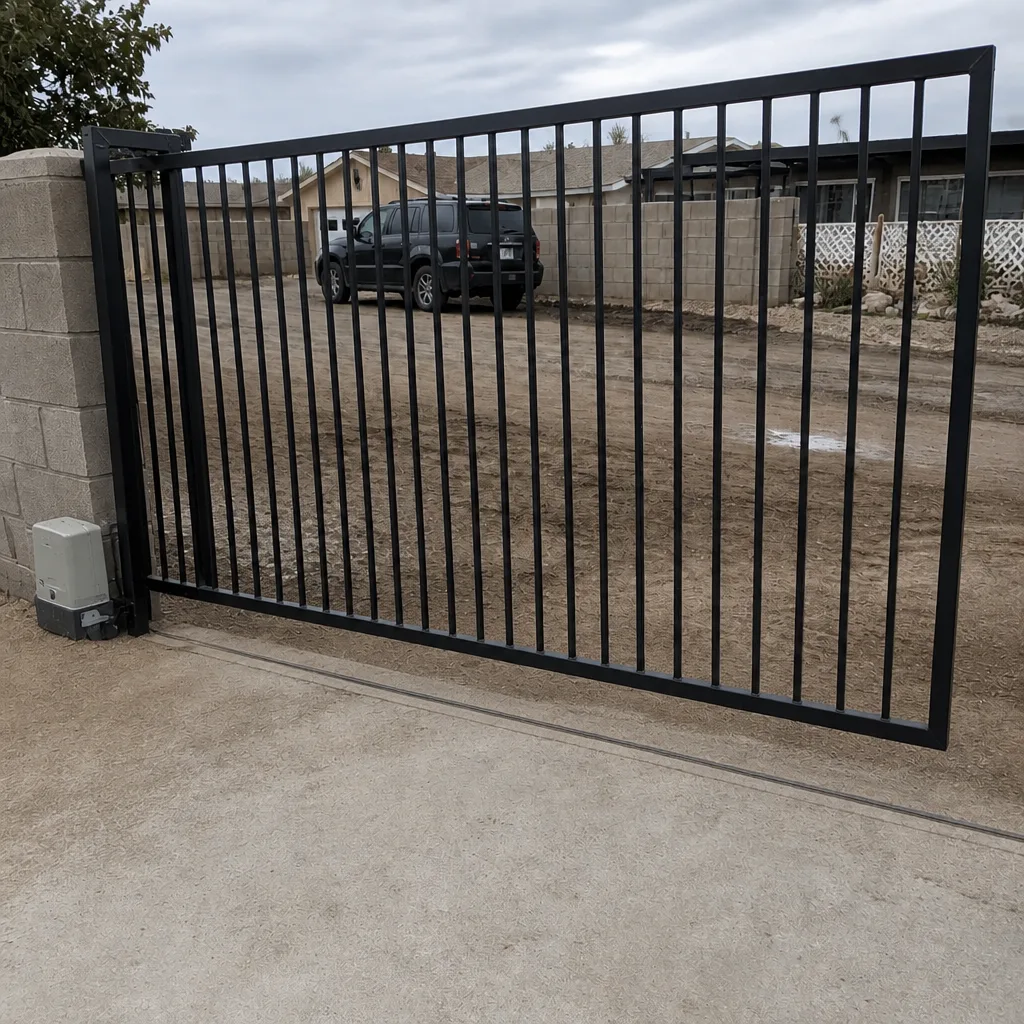 After
How Gate Access Control Systems Work in Winchester, NV
A gate access control system works as a chain of five linked parts: the credential you present (keypad, fob, or intercom), the controller board that decides whether to open, a safety device like a loop detector or photo-eye, the operator motor that moves the gate, and the exit device that lets vehicles or people out. Each part passes a signal to the next, and the gate only opens when the whole chain agrees. The part most homeowners miss is that in Winchester, the wiring method, enclosure rating, and loop placement also have to clear Clark County inspection before the system is legal to run.
If your gate is stuck, cycling on its own, or a keypad has gone dead, call (866) 984-8340 and a live person will answer, day or night. We diagnose access control failures across Winchester and explain what’s actually wrong before anything gets replaced.
Why Winchester’s County Jurisdiction Changes Which Hardware You Can Legally Install
Winchester sits inside Clark County, not the City of Las Vegas, and that one fact trips up a lot of gate work here. A system wired and buried to Las Vegas code can still fail a county inspection on a Winchester driveway. The county follows its own right-of-way specs for where loop detectors and exit wands can sit relative to the sidewalk easement, and for how deep conduit has to be buried before it reaches the operator.
We see this constantly along the Decatur Boulevard and Desert Inn Road corridors, where commercial parcels back right up to residential streets. Las Vegas-licensed installers who haven’t worked unincorporated parcels will sometimes sink a loop detector too close to the public right-of-way, and the county inspector flags it. The fix isn’t a new controller. It’s re-digging the loop and re-running conduit to county spec. That’s why understanding how the system works means understanding how each component sits against the inspection rules, not just how the parts talk to each other.
When we open a gate for a closer look, we’re checking the county clearance rules as much as the electronics. Our Gate Access Control service covers the full scope, from keypads and controllers to loops and operators.
The Five Layers of an Access Control System, in Plain Terms
Most explainers describe access control as a simple input-output loop and stop there. The real picture has five physical layers, and knowing what each one does is how you tell a real failure from a relay that’s just tired.
- The entry credential. This is your keypad, fob reader, or intercom. It takes what you present and sends a signal to the controller. A dead keypad usually means a power or wiring problem upstream, not the keypad itself.
- The controller board. The brain. It receives the credential signal, checks it against what’s stored, and tells the operator to open. Controller boards are the most heat-sensitive part of the system in this climate, which matters more than most homeowners realize.
- The loop detector or photo-eye. The safety layer. A buried loop in the driveway detects a vehicle and holds the gate open or prevents it from closing on a car. A photo-eye does the same job with a beam of light. If the gate closes on a car, this layer failed.
- The operator and motor. The muscle. The motor drives the arm or the slide track. When the gate moves but won’t reverse, or reverses for no reason, the operator or its limits are usually involved.
- The exit device. The free-exit wand, push-button, or loop on the inside that lets you leave without a credential. This is where county right-of-way placement rules bite hardest in Winchester.
Every layer has to work for the gate to open reliably. That’s why a “gate won’t open” call can trace back to any one of five places, and why a proper diagnosis beats guessing at parts.
How Mojave Heat Affects Controller Boards and Battery Backup
Winchester summers regularly climb past 100°F, and the electronics inside your gate operator feel every degree of it. Controller boards throttle or shut down when they overheat, which can look exactly like a dead system on a July afternoon but clear up by evening. Battery backup units age faster in sustained heat too, so a battery that would last several years in a milder climate can fail sooner here.
This is why a NEMA 4X-rated enclosure matters more in Winchester than it would in a temperate city. That rating means the enclosure is sealed against dust and water, and it gives the board room to breathe through proper ventilation. A cheap open enclosure lets wind-driven sand and grit into the contacts, and the monsoon microbursts that roll through in late summer push water into anything that isn’t sealed. We’ve opened enclosures on the Strip-adjacent corridor to find a full season of desert dust packed into the terminal blocks.
Heat also binds metal. A gate that swung freely in March can drag by August as the steel expands, and dragging puts extra load on the motor and controller. Seasonal adjustment isn’t a luxury in this climate. It keeps the electronics from working harder than they should.
What a Proper System Check Covers Before Any Wire Is Run
Here’s the part that surprises people: a lot of Winchester’s mid-century rental and small-lot housing stock has manual gates whose hinge posts and footings were never engineered for the torque load automation adds. A gate designed to be pushed open by hand was never built for a motor pulling it every day. Run an operator on it anyway and you’ll crack a footings, shear a hinge, or burn out the motor within a season.
So before we run a single wire, we look at the gate itself first. A real system check covers:
- Post and footing condition, including rust at the hinge posts and sag from decades of sun-baked soil movement
- Gate frame alignment, since a warped frame will bind against any operator
- Where conduit and loop can legally sit against county right-of-way clearance
- Which enclosure rating the site needs against summer heat and monsoon rain
- Whether the existing operator is serviceable or needs replacement
We’re trained and equipped on nine gate-automation brands, including LiftMaster, FAAC, Elite, and Mighty Mule, so the fix fits what’s actually on your driveway rather than whatever was cheapest to stock that week. Every job we finish is backed by our written 90-Day Done Right Promise: if it isn’t right, we come back and make it right, no arguing.
Common Local Scenarios We Walk Into
Most of the access control calls we take in Winchester fall into a handful of patterns. If yours looks familiar, you’re not alone.
An aging manual gate someone wants automated. Short setbacks and original wrought-iron or chain-link gates are everywhere in the older housing stock here. The gate looks fine until you hang a motor on it, and then the undersized posts show their limits. We assess the gate structure first, then size the operator to it.
A Las Vegas contractor’s work that fails county inspection. Along Decatur and Desert Inn, we regularly find loops buried to city spec on a county-jurisdiction parcel. The electronics work; the placement doesn’t. Re-digging to county right-of-way rules is the fix.
A gate that closes on cars in summer. Usually a loop detector or photo-eye issue made worse by heat-bind and dust in the track. Sometimes the safety layer is fine and the operator’s limits need resetting.
A keypad that quit after a monsoon. Wind-driven rain and blowing sand find their way into unsealed enclosures. A NEMA 4X-rated replacement head and a sealed controller enclosure end the cycle.
If you want to understand the full scope of what we handle, our Gate Access Control in Winchester page lays it out, and you can always start from our home page.
FAQs
Most systems run on a battery backup that keeps the controller and operator alive briefly so you can get in and out, or they release to a manual mode you open by hand. In Winchester’s heat, those backup batteries age faster, so it’s worth having yours checked if the gate has ever gone dead after an outage. Call (866) 984-8340 for a battery and backup check.
A gate that opens by itself or won’t close usually points to a loop detector or photo-eye problem, a misaligned safety device, or a controller that’s holding a false signal. Heat and dust make these faults more common here in summer. A technician can trace which layer is failing instead of swapping parts until something works. Estimates are free.
Yes, most automated gate work on Winchester parcels falls under Clark County permitting and inspection because the area is unincorporated, not part of the City of Las Vegas. That’s why a system wired to city code can fail a county inspection. Getting the right-of-way clearance and wind-load anchoring right the first time saves a re-dig later. Call us for a no-pressure assessment.
Often yes, but only after we confirm the hinge posts and footings can handle the torque load automation adds. Plenty of Winchester’s mid-century gates were never engineered for a motor, and the structure has to be checked before any wire is run. We’re trained on nine opener brands, so the conversion fits your gate rather than the other way around. Call (866) 984-8340 to get started.
If you’d rather have it looked at, Ironworks Gate Co. Winchester offers a no-pressure assessment in Winchester. Call (866) 984-8340 for a free estimate.
Written by the team at Ironworks Gate Co. Winchester, serving Winchester, NV.