
 Wrought iron
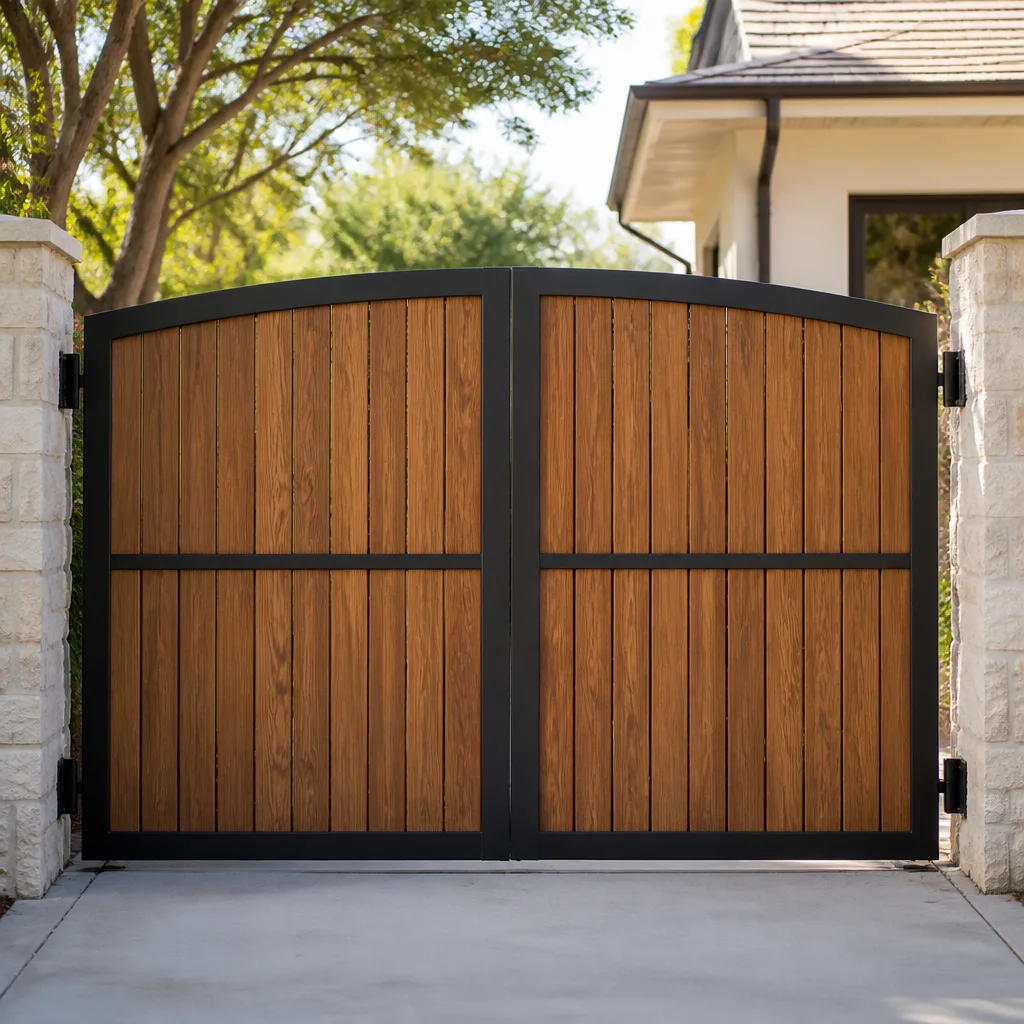 Wood & steel frame
 Farm & ranch
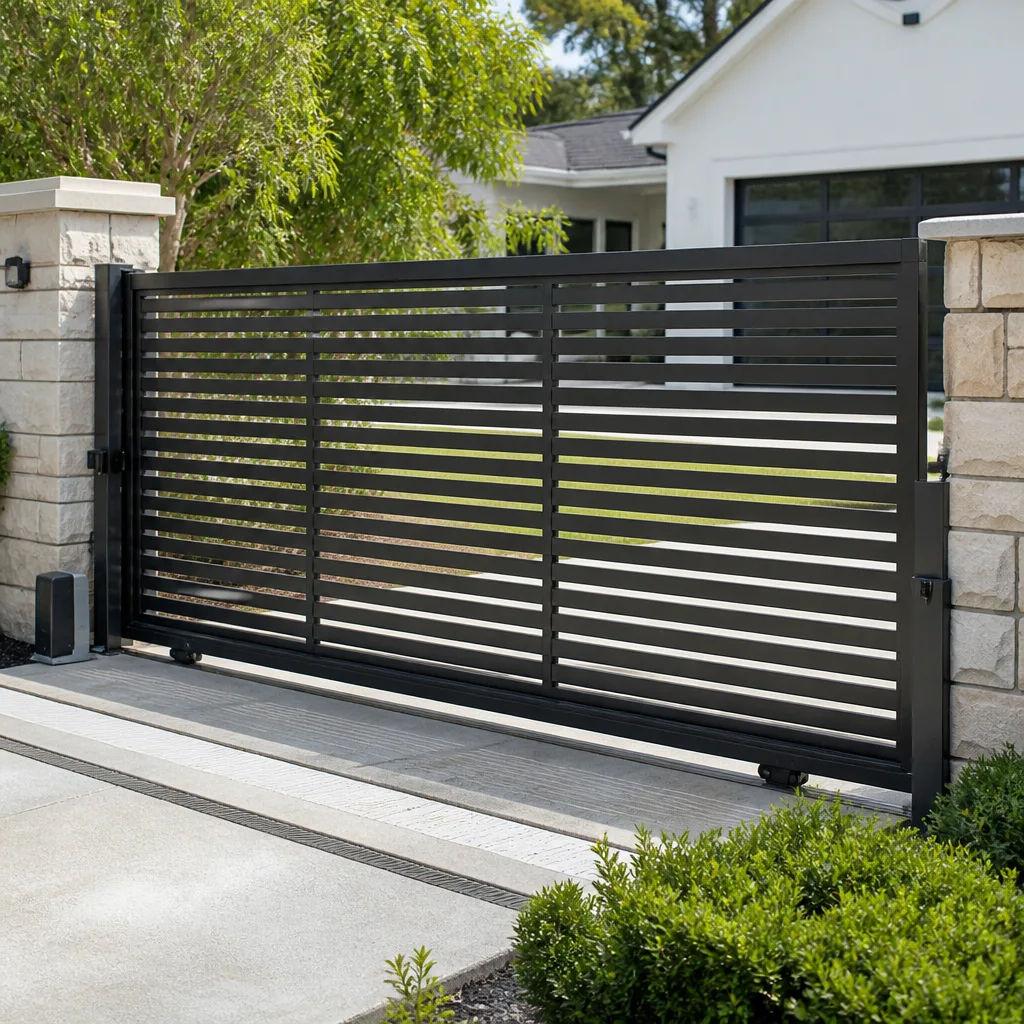 Sliding driveway gates
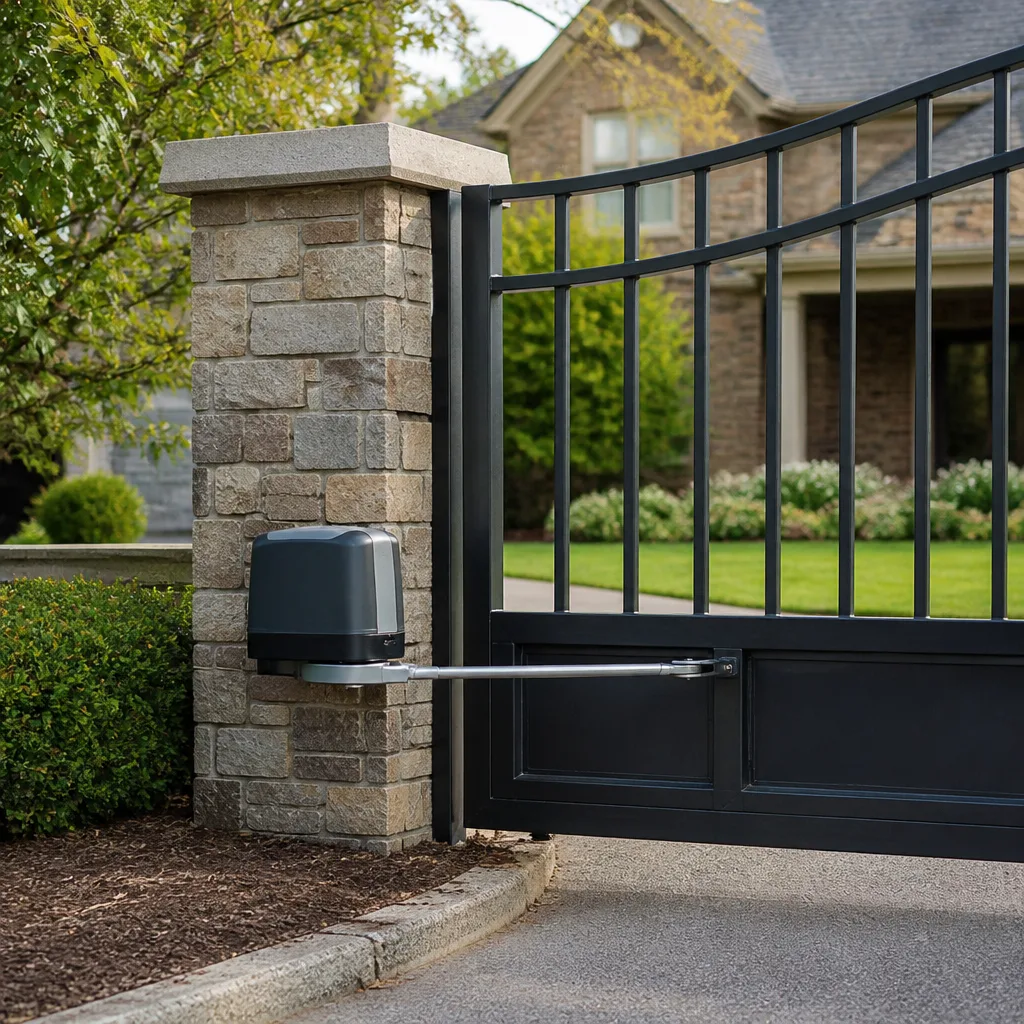 LiftMaster operators
Free on-site gate assessment - hinges, posts, and your LiftMaster or Nice gate operator checked before anything is quoted
The assessment is free and the quote is the invoice.
Get your free estimateStyles & brands we work with
- Wrought iron
- Wood & steel frame
- Farm & ranch
- Sliding driveway gates
- LiftMaster operators
See the difference
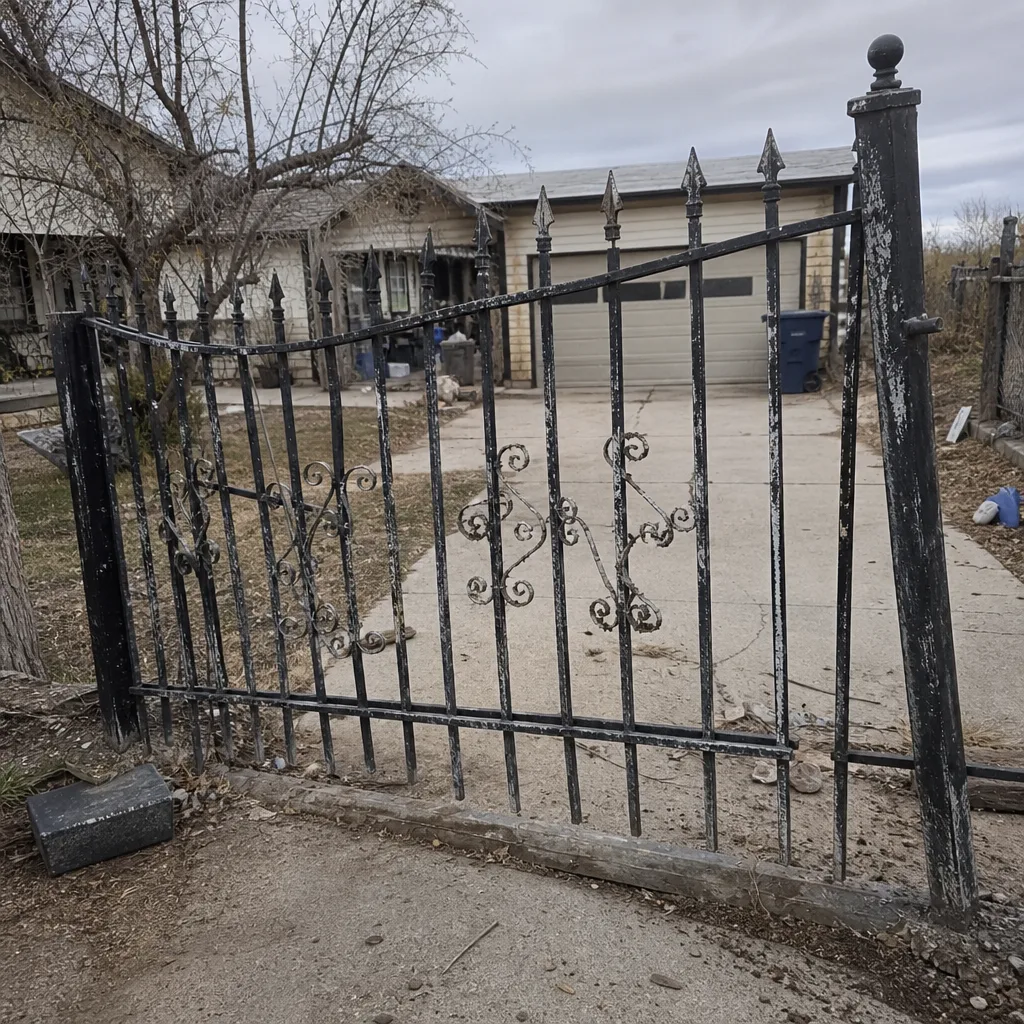 Before
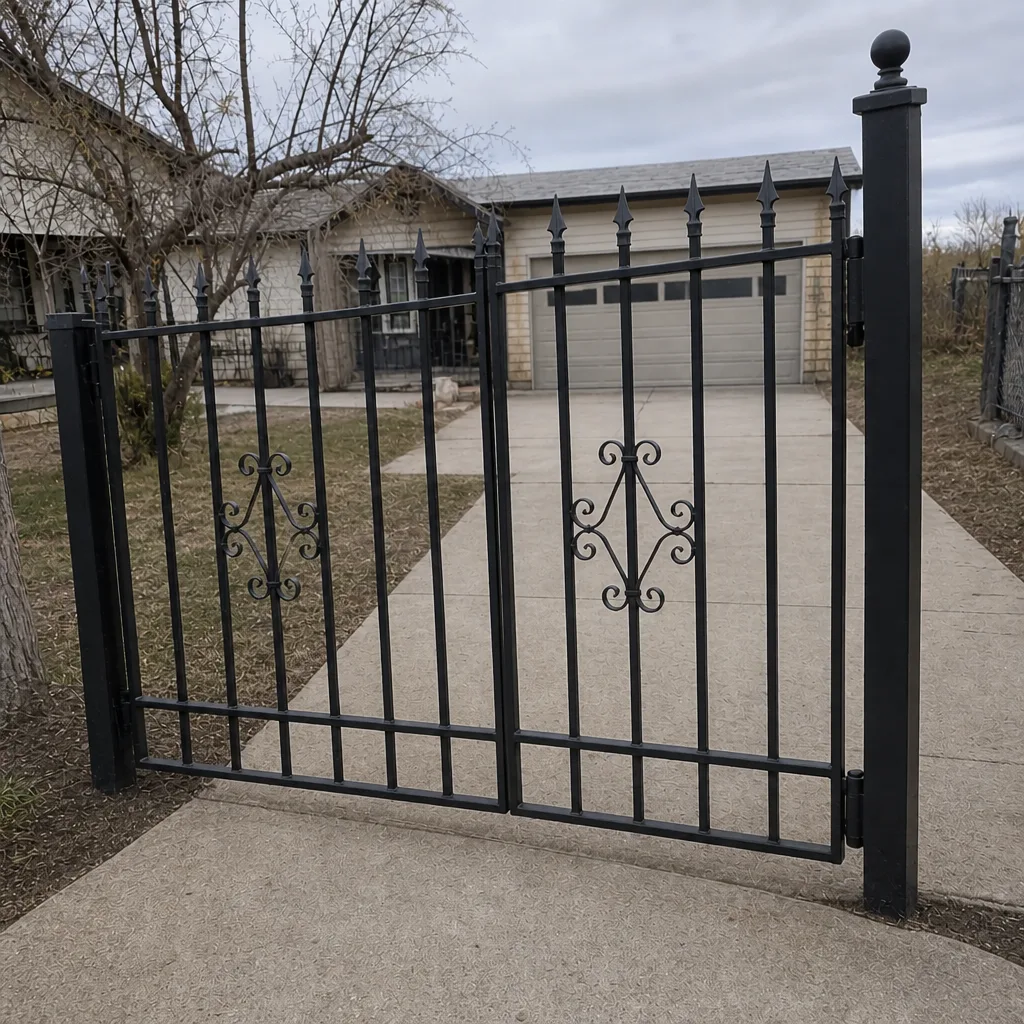 After
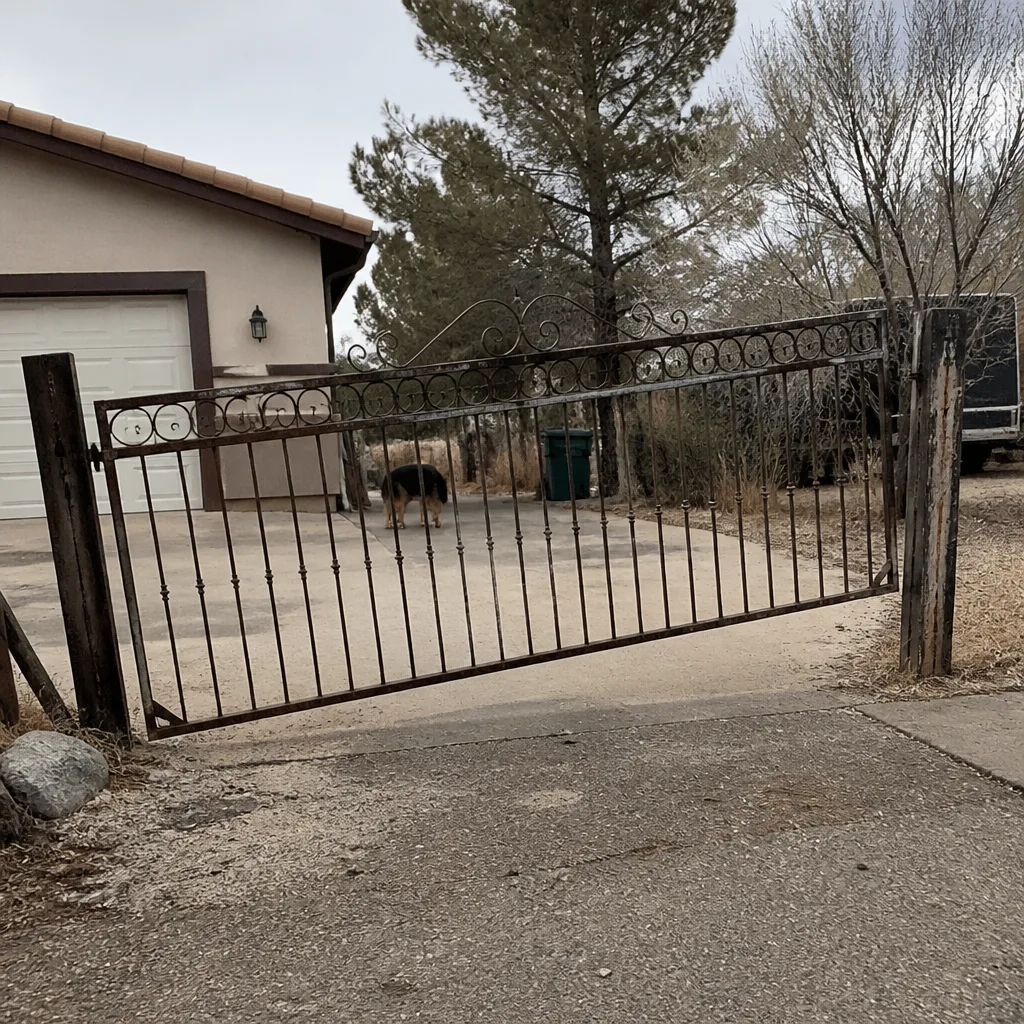 Before
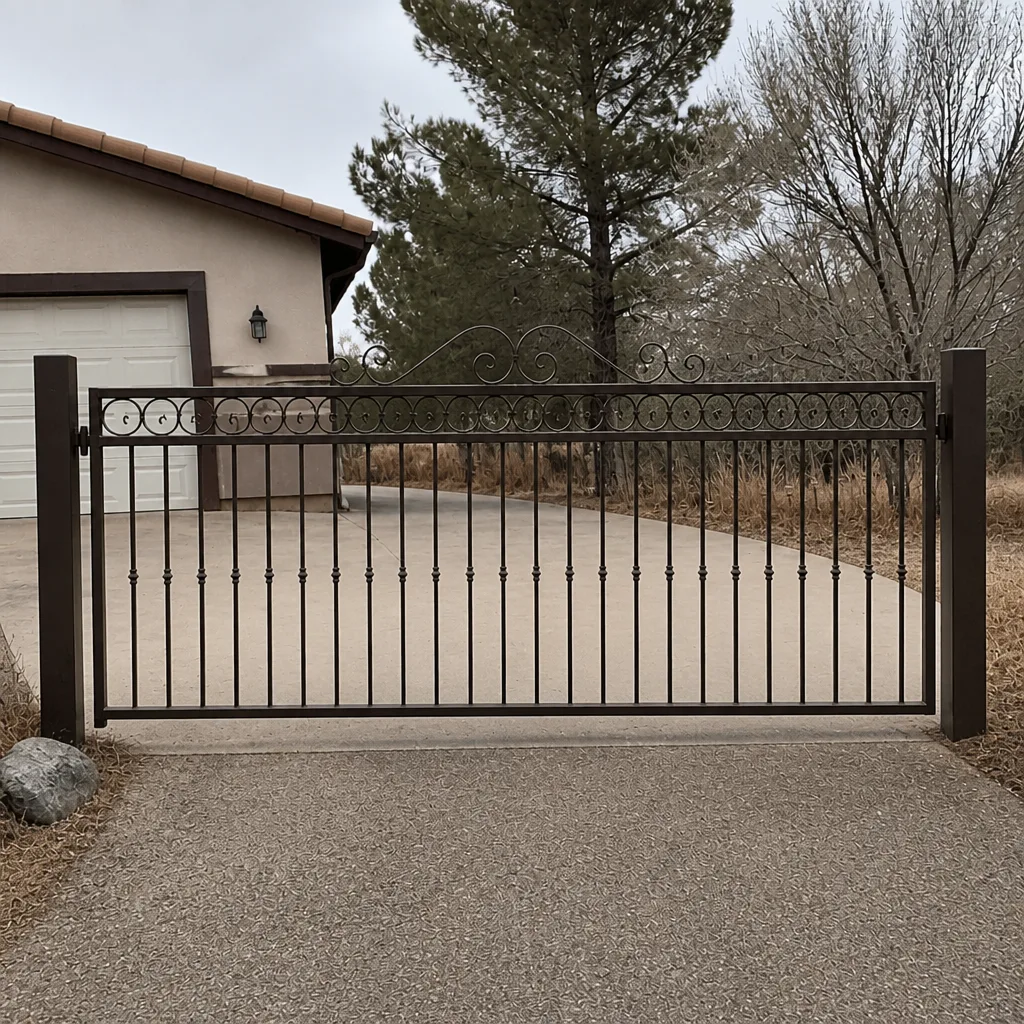 After
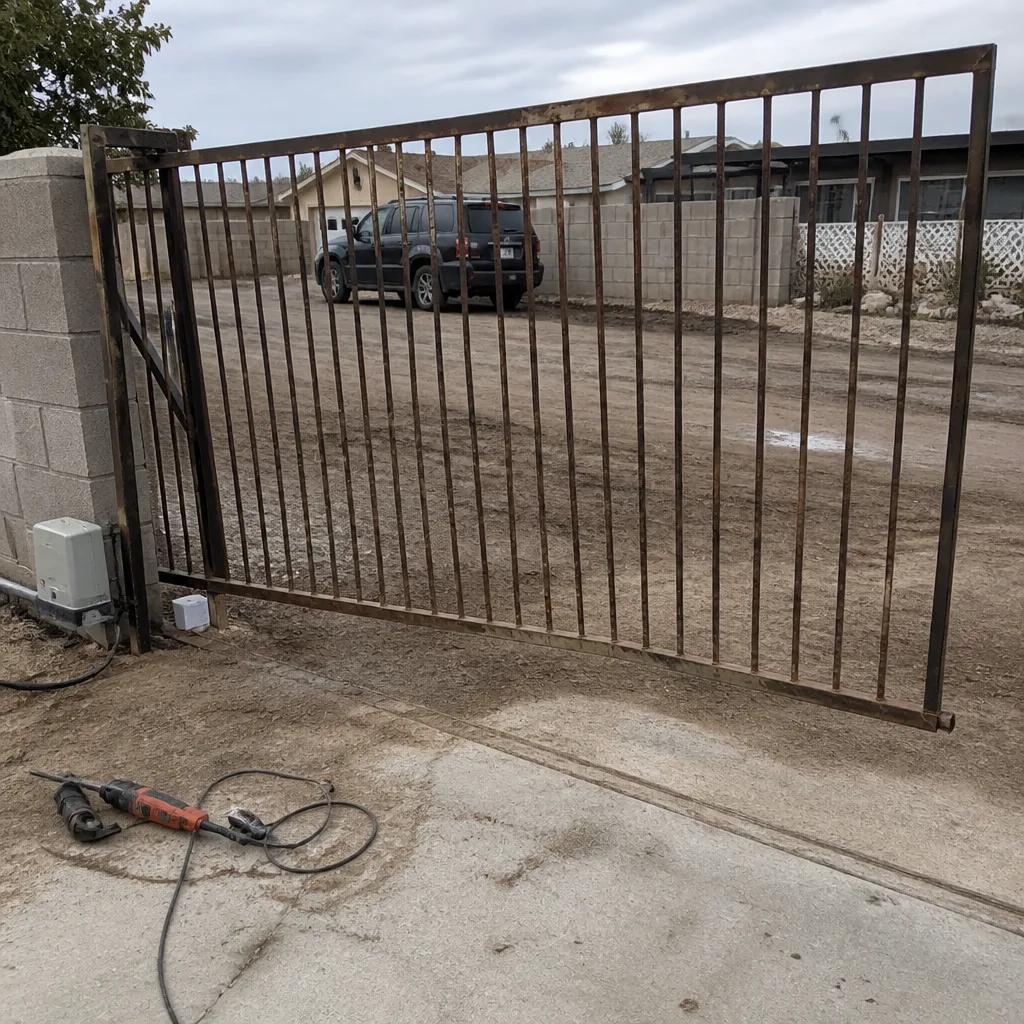 Before
 After
How to Reset an Automatic Gate in Winchester, NV (Without Wiping the Limits)
The safe way to reset an automatic gate is to cut power at the breaker for 30 seconds, restore it, and let the operator run its own power-up self-test rather than mashing the remote or the manual button. If the gate still faults after that single power-cycle, stop – the next step for most Winchester operators is a brand-specific sequence, and using the wrong one can erase the limit-switch positions the gate needs to know where to stop. Pressing an incorrect reset combo on a FAAC or BFT control board doesn’t restore defaults cleanly; it wipes limit memory, and now the gate has no idea where open and closed actually are. That’s a $150 service call created by a $0 mistake. Call Ironworks Gate Co. Winchester at (866) 984-8340 if you want a live person to walk you through the right sequence for your box.
Here’s the short version before the detail:
- Power-cycle first. Breaker off for 30 seconds, then back on. That’s the one reset that’s safe on every brand.
- Never guess a button-hold sequence. “Hold for 10 seconds” is real on one brand and destructive on the next one over.
- If it faults twice after two correct attempts, stop. Repeated resets hide a wiring or board fault.
- The manual release has a direction. Force it the wrong way and you strip the mechanism.
Why Winchester Gates Are So Easy to Get Wrong
Winchester’s housing stock runs from 1950s single-family homes and duplexes to small apartment and motel courts, many with original wrought-iron or chain-link gates still hanging on posts poured decades ago. That mix means the opener on your gate is probably not the tidy brand a reset video was written for. Walk down a stretch of the Decatur Boulevard or Desert Inn Road corridors and you’ll find LiftMaster units next to BFT arms, a Viking or two, and the occasional Mighty Mule bolted onto a gate that was never engineered for automation in the first place. Each of those has its own limit-calibration behavior, and each has its own way of telling you (or not telling you) that a reset just cost you your open and closed positions.
There’s a second layer specific to this part of the valley. Winchester is an unincorporated urban island surrounded by Las Vegas and Paradise, so nearly every property line sits under Clark County jurisdiction rather than a city building department. Permits, inspections, and right-of-way clearances follow county code. That matters when a prior owner’s contractor – possibly Las Vegas-licensed and used to city rules – installed a gate that doesn’t meet the county’s right-of-way clearance or wind-load anchoring. Those gates are more likely to throw position and overload faults in the first place, which is exactly why so many Winchester homeowners end up searching for reset instructions.
The Brand-Specific Reset Risk Nobody Warns You About
Generic reset guides give you universal button sequences that work on exactly one or two brands. The truth is that LiftMaster, FAAC, BFT, Linear, Viking, Ghost Controls, DoorKing, Elite, and Mighty Mule all handle reset and limit storage differently. On some, a long button hold sends the operator into a travel-limit re-learn that erases what took a technician time to calibrate on a short setback lot with a heavy iron gate. On others, it drops you into a partial programming menu you can’t exit without completing steps you don’t have the manual for.
What’s safe across every brand is the hard power-cycle. Here’s the order our technicians use on a first visit:
- Switch off the breaker feeding the operator and wait a full 30 seconds. That lets residual power drain off the board.
- Restore power and listen. A healthy operator runs a self-test and does not move the gate on its own. If it moves immediately, stop and don’t cycle it again.
- Clear one fault at a time if your operator has a fault LED or code display. Note the code, clear it, re-test. This preserves limit settings that took real time to set.
- Test with the manual wall button, not the remote, so you’re not chasing a remote problem at the same time.
- Two clean attempts, then stop. If the same fault returns, the operator isn’t asking for a reset – it’s telling you a wire, sensor, or board is failing.
That last point is the one homeowners skip. If the gate shows a continuous error after the first correct reset, cycling through more sequences just masks a wiring or board fault. A live call is faster and cheaper than guessing your way through a control board. Our technicians are trained and equipped on all nine of those brands, so the correct fix is made on the first visit regardless of what’s on your driveway. You can read more about the automation side on our Gate Motor & Opener page.
Two Winchester Faults That Trip People Up
After a monsoon rain event
Summer microbursts in the Mojave can dump enough water fast to trip several fault codes at once – a limit fault, a current-draw fault, sometimes a sensor fault, all in the same log. Do not assume a full factory reset is the right first move. Clearing the codes one at a time in sequence preserves limit-switch settings that took time to calibrate correctly on a gate that was already marginal. Full reset dumps all of it, and now you’re re-learning travel limits on a 40-year-old iron gate with a slightly bent post. Start with individual clears; only reset fully if the operator is genuinely lost.
On a 108°F afternoon
Gates that stop mid-cycle in the heat aren’t broken – the motor’s thermal overload protection kicked in. It did its job. What homeowners do next is the problem: they hit reset immediately while the motor is still hot, it re-trips the overload before the gate completes its cycle, and now the fault log is compounding. Let the motor cool completely, full stop, before you touch power. Then try a single power-cycle. If it stops mid-cycle again once it’s cool, the limit switch or the board is the real culprit, and no sequence will fix that.
Before You Touch That Manual Release
Winchester’s stock of mid-century rental units means a lot of gates with manual release mechanisms that haven’t been operated in years. They seize. Forcing one without knowing the correct release direction strips the mechanism, and a simple reset becomes a motor-arm repair. If the release lever or key won’t move with light, steady pressure, stop there. A seized release is a technician’s job, not a leverage problem. Our background-checked, uniformed technicians handle these on a routine basis, and most jobs are completed in a single visit.
For homeowners who want to see the whole automation service, including access control and motor work, that lives on our Gate Motor & Opener in Winchester page. The same repair logic covers hinges, welds, and gate parts | the full scope from a sagging post to a keypad that won’t read. If you’re pricing work, ask about our standing offers: $50 off any repair over $250, a free second opinion on any written estimate, an $89 seasonal tune-up, and a permanent 5% senior and veteran discount. Every job we complete is protected by our 90-Day Done Right Promise in writing – the Keystone Standard – with no paperwork and no arguing.
FAQs
Cut power at the breaker for 30 seconds, restore it, and let the operator run its self-test instead of using a button-hold sequence. The hard power-cycle is safe on every brand; the button sequences are not. If you don’t know your exact model, don’t guess.
Because “hold for 10 seconds” is a brand-specific instruction that on many operators sends the unit into a travel-limit re-learn and erases the open and closed positions. If your gate now runs past its stops or stops short, the limit memory was wiped and needs to be re-set by a technician who knows the brand. Call (866) 984-8340 and we’ll get it back to safe operation.
Let the motor cool completely first; the thermal overload protection tripped and resetting a hot motor just re-trips it. Once it’s cool, try a single power-cycle. If it stops mid-cycle again, the limit switch or control board is failing, not the reset.
When the same fault returns after two correct attempts. At that point the operator is reporting a wiring, sensor, or board fault, and more resets just mask it. A live call is faster and cheaper than cycling through sequences – we answer 24 hours a day, 7 days a week.
If you’d rather have it looked at, Ironworks Gate Co. Winchester offers a no-pressure assessment in Winchester – call (866) 984-8340 for a free estimate and a straight answer on whether your gate needs a twenty-minute reset or a repair.
Written by the team at Ironworks Gate Co. Winchester, serving Winchester, NV.